The most effective way to keep a patio warm in winter is to combine a properly sized patio heater with smart placement, wind shielding, and a few heat-retaining accessories like outdoor rugs and a patio cover. No single fix does the whole job, but stack these layers together and you can realistically extend your outdoor season by two or three months, even when temperatures drop into the low 30s.
How to Keep Patio Warm in Winter: Step-by-Step Guide

Grant Mercer
12 May 2026
Pick the right type of patio heater first
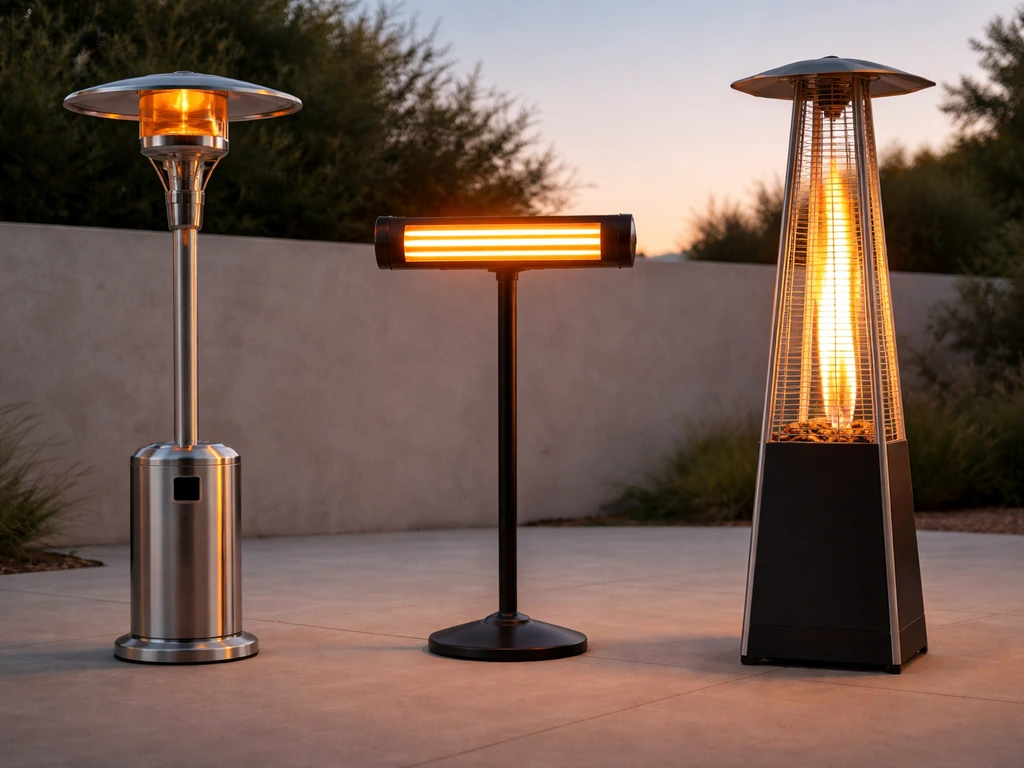
Getting the heater type right matters more than most people expect. The wrong type for your setup wastes energy, fights the wind, or simply doesn't put heat where you need it. Here's how the main options compare so you can choose before you spend a dollar.
| Heater Type | Typical BTU Range | Best For | Winter Wind Performance | Rough Running Cost |
|---|---|---|---|---|
| Propane mushroom/umbrella (freestanding) | 30,000–48,000 BTU | Open patios, renters, portability | Moderate — heat rises and scatters in wind | ~$1.70/hr at 40,000 BTU |
| Natural gas post/mounted | 40,000–100,000 BTU | Permanent patios, high-use setups | Better if mounted low and directed | Lower than propane per BTU |
| Electric infrared (wall/ceiling mount) | 1,500–3,000W (5,100–10,200 BTU) | Covered patios, pergolas, enclosed spaces | Excellent — radiant heat isn't scattered by wind | Varies by electricity rate |
| Electric infrared (freestanding) | 1,500–2,000W | Small patios, supplemental heat | Poor in strong wind — needs shelter | Lower upfront cost |
| Large commercial infrared (gas) | 37,500–75,000 BTU | Large open areas, commercial-grade coverage | Good with reflector design | Higher upfront, efficient per sq ft |
For a typical residential patio in winter, a propane mushroom heater putting out around 40,000 to 48,000 BTU can comfortably cover roughly 250 square feet when conditions are calm. A 3,000-watt wall-mounted electric infrared unit like the Eurofase EF30 covers about an 8x8 foot zone, which makes it ideal under a pergola or covered porch rather than an open yard. If your patio is large or exposed, think about BTU outputs in the 60,000–100,000 range, or plan on running two units.
One thing worth knowing: propane and natural gas heaters produce radiant and convective heat that rises. Electric infrared heaters produce radiant heat that travels in a beam and warms objects and people directly, not the air around them. In a windy winter environment, electric infrared wins because wind can't steal heat that's already been absorbed by your body and furniture.
How to size your heater for the space
A rough rule: you need roughly 10 watts of electric infrared heat per square foot for outdoor use, or about 1,000 BTU per 10 square feet for gas heaters in mild winter conditions. In colder climates or open, exposed patios, double that estimate. If you're buying new, look at manufacturer sizing tables before committing to a unit that's undersized for your actual space.
Placement and wind-proofing so heat actually stays outside
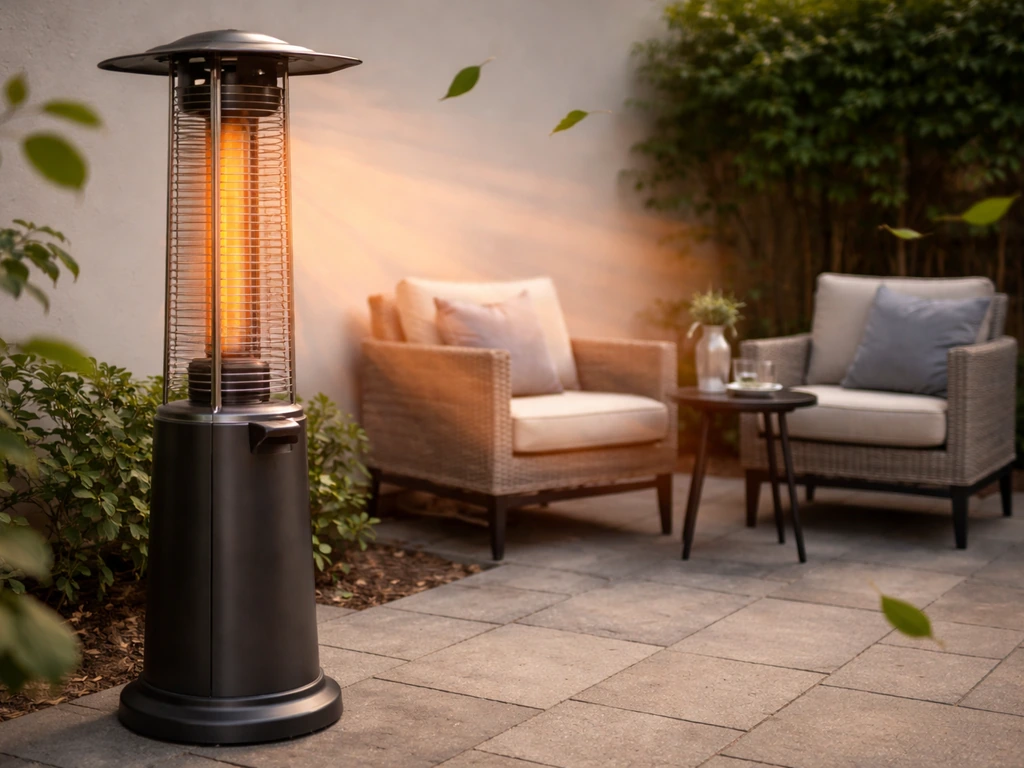
A heater in the wrong spot or fighting a constant breeze is almost useless in winter. If you're still figuring out the basics of choosing a heater, review how to set up a patio heater alongside these placement and wind-proofing tips. Placement is where most people leave heat on the table, literally.
Position your heater for the people, not the center of the patio
For freestanding propane heaters, place the unit close to your seating group, not in the geometric center of the patio. Heat radiates outward from the emitter ring, so your guests sitting 3 to 5 feet away feel it directly. For mounted infrared heaters, angle the unit so the beam sweeps across seated head and shoulder height, not straight down at the floor.
Block the wind before you add more BTUs
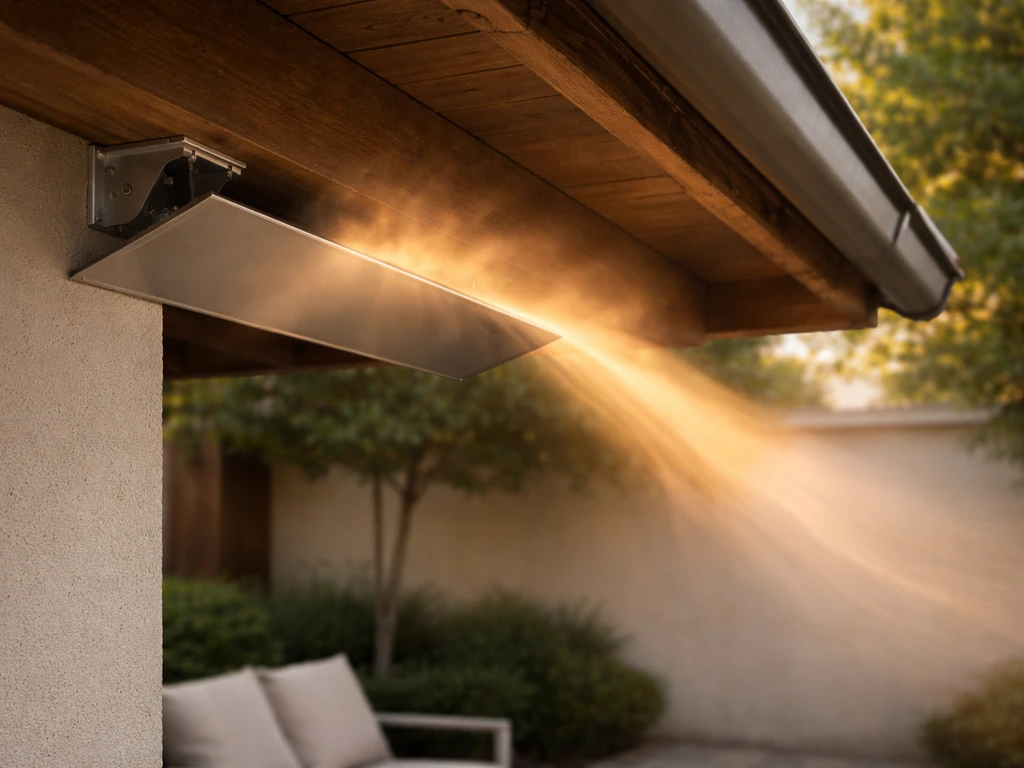
Wind is the single biggest enemy of outdoor heat retention. A 10 mph breeze can strip away warmth from a patio heater almost as fast as it's produced. Before adding a second heater, invest in wind shielding. Options that actually work include:
- Privacy screens or lattice panels: even a 4-foot screen on the windward side makes a dramatic difference
- Clear vinyl patio curtains: block wind while preserving sightlines and light
- A pergola or partial enclosure: the best long-term solution, especially combined with a ceiling-mounted infrared heater
- Portable folding windbreak panels: useful if you rearrange your patio layout seasonally
Bromic's Platinum Gas heater is rated for wind performance up to about 12 mph, and its directional radiant design helps. But even the best heaters perform noticeably better with a physical windbreak backing them up. Don't skip this step.
Use a heat deflector if you have overhead clearance issues
If your patio has a low roof, pergola, or covered structure, a heat deflector accessory redirects heat that would otherwise escape straight up. Bromic's Platinum Gas heat deflector, for example, reduces the required top clearance to just 14 inches while bouncing that heat back down toward the seating area. That's a real, measurable efficiency gain in a covered-patio scenario.
Warming accessories that actually make a difference
A heater warms the air and objects around it. Your job is to hold onto that warmth as long as possible and make the experience comfortable for the people sitting outside. If you want practical tips beyond heaters, focus on wind blocking, patio placement, and warm accessories that keep the area comfortable warm up outdoor patio.
Outdoor rugs and mats
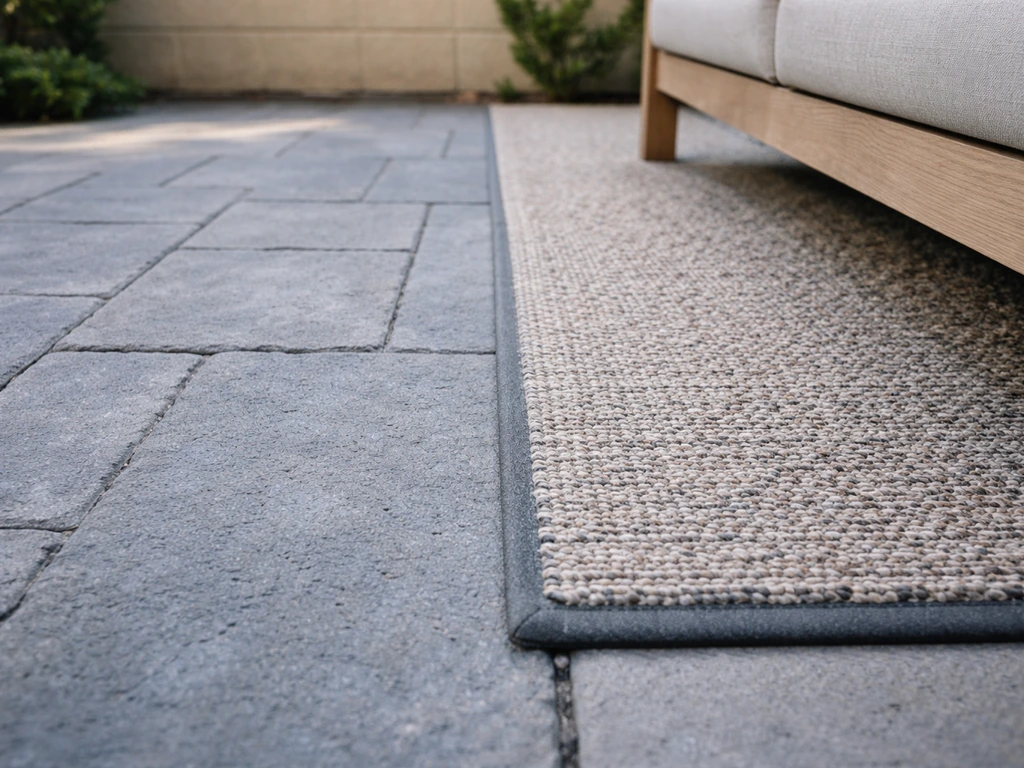
Cold concrete or stone pavers pull heat out of your feet fast, which makes the whole experience feel colder than it is. A thick outdoor rug or rubber-backed mat under your seating area insulates your feet from the ground. This is a cheap fix that has an outsized impact on comfort.
Blankets and throws
Keep a basket of heavy fleece or wool throws near the seating area. Radiant heat from a patio heater warms surfaces, and a blanket traps that warmth against your body. This lets you run the heater at a lower setting without sacrificing comfort, which directly reduces your running cost.
Patio covers and enclosures
A pergola with a solid or semi-solid roof, a retractable awning, or a full patio enclosure creates an air pocket that holds heat much more effectively than an open yard. If you already have a covered patio and a ceiling or wall-mounted electric infrared heater, you're working with the most efficient winter setup possible. Even partial coverage on three sides with clear vinyl curtains can transform an open patio into a usable winter space.
Hot drinks and warm food stations
This sounds simple, but a small outdoor table with a plug-in kettle or a thermos of coffee makes guests feel warmer from the inside out, and it gives people a reason to stay seated near the heater instead of drifting inside. It's a low-effort addition that meaningfully extends how long people want to stay outside.
Safety checks you need to do before firing up a winter heater
Winter heating on a patio is safe when done right, but patio heaters are combustion appliances and electrical equipment. Respect both. Here's what to check every season, not just once.
Clearance distances are not optional
Freestanding propane and gas heaters need a minimum of 5 feet of clearance from buildings, overhangs, awnings, combustible decorations, and any overhead combustible surface. This is a firm requirement from fire safety guidelines, including Fairfax County Fire and Rescue rules and UF/Madison fire safety guidance for portable outdoor heating appliances. That umbrella string of outdoor lights draped over your patio? Move it if it's within 5 feet of the heater. That wicker chair next to the propane tower? Move it back.
Never, ever bring an outdoor heater inside
This is worth saying bluntly: outdoor gas heaters, propane heaters, and outdoor-rated infrared heaters are not designed for enclosed indoor use. The CPSC is explicit that using outdoor heaters indoors can cause deadly carbon monoxide buildup in minutes. On a cold night it's tempting to drag a heater into a garage or a sunroom. Don't do it. If you need indoor supplemental heat, use an appliance rated for indoor use.
Tilt switch and tip-over safety
Most portable propane patio heaters sold today are required to have a tilt/tip-over switch that automatically shuts off gas flow if the unit tilts more than 15 degrees from vertical. Before each winter season, test yours: gently tilt the heater past vertical while it's running (on a hard surface, away from anything combustible) and confirm it shuts off. If it doesn't, the switch may be faulty and the heater should not be used until it's repaired or replaced.
Safe placement around foot traffic
Keep the heater out of high-traffic paths and blank" rel="noopener noreferrer">at least 5 feet from exits and doorways. A heater knocked over in the middle of a gathering is a fire hazard. If you have kids or pets on the patio, a floor-to-ceiling style propane mushroom heater with a wide base is more stable than a narrow pedestal model, but it still needs to be positioned where no one is going to back into it.
Shut off and cool down before moving
Always shut the heater off at the valve and let it fully cool before moving or storing it. Moving a hot propane heater risks burns from the emitter, and it can stress the gas connections. Give it at least 20 to 30 minutes after shutting off before you touch the reflector or head unit.
Troubleshooting common patio heater problems that kill your warmth
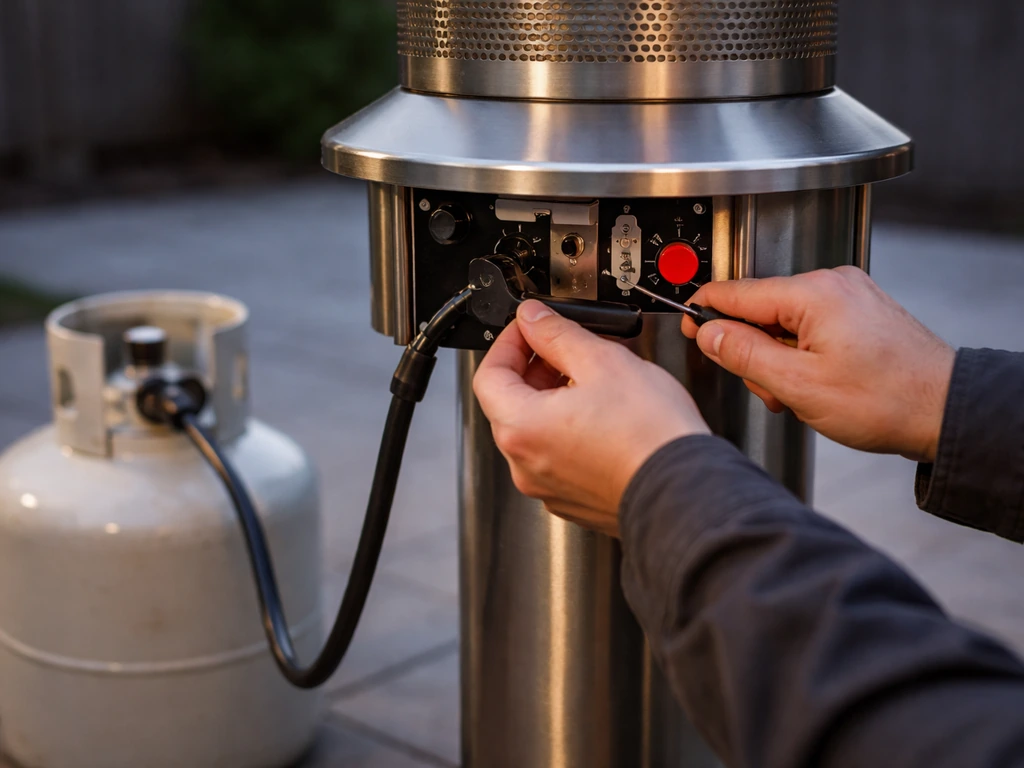
Winter is when patio heaters that sat in storage all summer start acting up. Before you call a repair service, work through these common problems yourself. Most of them have straightforward DIY fixes.
Heater won't ignite at all
Start with the obvious: check the propane tank isn't empty and that the valve is fully open. If the tank is fine, try the igniter. A clicking sound with no spark usually means the igniter electrode tip is dirty or the gap has shifted. Clean the tip with a dry cloth, check that the gap is about 3 to 4mm from the burner, and try again. If there's no clicking at all, the piezo igniter may be dead. These are usually inexpensive to replace. On electric infrared units, check that the circuit breaker hasn't tripped and that the power switch is fully engaged.
Heater lights but won't stay lit
This is almost always a thermocouple problem on gas and propane heaters. The thermocouple is a small safety sensor that sits in the flame and keeps the gas valve open once heat is detected. If it's dirty, bent away from the flame, or starting to fail, the heater lights and then shuts down within a few seconds to a minute. Clean the thermocouple tip with fine-grit sandpaper, make sure it's positioned directly in the pilot flame path, and test again. If it still shuts off, replacement thermocouples are typically under $15 and are straightforward to swap on most mushroom-style heaters.
Tilt switch is triggering falsely
If your heater shuts off on its own even when it's sitting perfectly upright, the tilt switch may be stuck or malfunctioning. On most freestanding propane heaters, the tilt switch is a ball-bearing switch inside the base. Turn the heater off, disconnect the propane, and gently rock the base. If you hear a rolling ball sound, the switch may just need to be re-seated or cleaned. If the switch is physically damaged or the heater consistently false-triggers on flat ground, replace the switch before trusting the heater for extended operation.
Low or uneven flame
A propane heater putting out a weak or lopsided flame usually has a clogged burner or a regulator that's in bypass mode. Regulators can get stuck in low-flow safety bypass if the tank valve was opened too fast. Fix: shut everything off, wait 30 seconds, then slowly reopen the tank valve before pressing the igniter. If the problem persists, the orifice or burner ports may be partially blocked with spider webs or debris, which is extremely common after storage. Remove the burner assembly (with the tank disconnected and fully cooled) and clear the ports with compressed air or a small wire.
Electric infrared heater pulsing or cycling on and off
Some wall-mounted electric infrared heaters, including units from Infratech's SL-Series, use an infinite switch that pulses the element on and off at lower power settings. This is normal operation and not a fault. If the unit is pulsing at full power or shutting off completely, check for a tripped thermal cutoff or a loose connection at the element. If you're seeing pulsing you didn't notice before, review the control setting before assuming there's a problem.
Running your heater efficiently so you're not burning money
A typical 40,000 BTU propane patio heater costs around $1.70 per hour to run. That's not bad for a few hours on a Friday night, but it adds up fast if you're running it for six hours every weekend all winter. A few habits make a real difference.
- Use wind shielding before turning up the heat: every time you block a cold breeze, you're getting the same warmth at a lower BTU setting. That directly cuts your hourly cost.
- Set up overhead coverage: a covered patio retains heat so well that you can often run a heater at 50–60% output instead of full blast. That alone can halve your running cost on a mild winter night.
- Zone your heat: if you're sitting in one corner, use one targeted unit rather than trying to heat the whole patio. A 3,000-watt infrared unit focused on an 8x8 foot seating area is far more efficient than a large propane tower trying to heat 400 square feet.
- Use blankets and rugs as your first layer: warming accessories cost nothing to 'run.' Use them first, then supplement with the heater.
- Turn the heater off 10 to 15 minutes before you go inside: the residual heat in the emitter and the ambient warmth held by rugs, cushions, and a covered space will keep things comfortable until you leave.
- Don't leave it running unattended: beyond safety, an unattended heater running for an extra hour just because no one shut it off is pure waste.
If you're shopping for a new heater with winter efficiency in mind, a ceiling or wall-mounted electric infrared unit on a timer or smart switch gives you the most control over exact run time and output. Natural gas connected models have a lower fuel cost per BTU than propane, which is worth factoring in if you're planning a permanent installation.
Once your heater is performing well and you've got the placement and wind shielding dialed in, the patio becomes a genuinely usable winter space rather than a cold afterthought. If you're still in the process of choosing or setting up your unit, looking into how different heater types work and what the installation requirements look like for a permanent setup will help you make a decision that pays off for years, not just one season. If you want the DIY route, start with the basics of how to build a patio heater that matches your space and fuel type look into how different heater types work and what the installation requirements look like for a permanent setup. If you want to do this step-by-step, our guide on how to install patio heater covers the key requirements and safety checks installation requirements for a permanent setup. To make the buying process easier, use this guide on how to buy a patio heater to match the heater type, size, and fuel to your space and climate.
FAQ
Can I use a patio heater to heat an entire patio, or do I need to focus on zones?
In most cases you cannot economically heat the whole patio evenly. Plan on a warm “seating zone,” position the heater so the effective heat footprint lands where people sit, and then add wind blocking and warm accessories (rugs, throws) to keep that zone comfortable as guests move within a few feet of the heater.
What should I do if my outdoor infrared heater doesn’t feel warm enough even when it’s on?
Check that the beam is aimed at people and objects at seated height, not the floor. Also verify nothing is blocking radiant heat (low furniture, ceiling fascia, or a rug right under the beam), and confirm the heater is the correct wattage for your area using manufacturer coverage guidance, then double it for very exposed, windy patios.
How high should I place a ceiling or wall-mounted heater under a pergola or overhang?
Higher placement usually means more heat escapes upward. If you have a heat deflector, follow its clearance guidance and aim to reduce the “escape path” above the beam. Without a deflector, keep the heater positioned so the effective heat reaches heads and shoulders before it dissipates near the ceiling.
Will putting a patio cover or curtains around the patio reduce safety risks or increase them?
It can improve comfort, but do not treat patio enclosures like indoor spaces. Keep heaters outdoor-rated only, ensure required clearances are still met, and do not operate combustion heaters in a partially enclosed area without correct outdoor ventilation and appliance-specific clearance compliance.
Is a patio heater safe near outdoor string lights, planters, or decorative items?
Not automatically. Any item within the heater’s required clearance zone can become a fire risk, especially overhead decorations like draped lights and combustible decor. Move or secure decorations outside the clearance area and avoid placing heaters next to dry plants or near fabric awning edges.
How do I estimate how many BTU or watts I actually need if my patio is very exposed?
Start with the sizing rule, then increase for wind exposure. A practical approach is to assume you may need roughly double the mild-climate estimate for open patios, then split the load into two heaters if the footprint is large, since local coverage usually feels better than one heater trying to reach everything.
What’s the best way to reduce heat loss if the main problem is wind, not heater size?
Add a windbreak that interrupts the airflow across the seating area, not just behind the heater. Combine a physical barrier (wind screen or solid panel) with a heater placed close to the seating group, then use rugs to reduce conductive heat loss from feet and furniture.
Should I run both heaters at the same time or alternate them?
If you have multiple heaters covering different parts of the seating area, run them together briefly when people arrive, then reduce or alternate to maintain comfort. For electric infrared, timers or smart switches help you avoid heating empty space, which matters on long winter evenings.
How do I prevent condensation or cold surfaces from ruining the “warm” feeling?
Even with heat, cold floors and damp surfaces can make the area feel colder. Use an outdoor rug or rubber-backed mat for insulation, keep feet and seating off bare concrete, and consider throwing blankets on chairs so people warm up quickly after sitting down.
What should I do right after turning off a patio heater before moving it or covering it?
Shut it off at the valve, let it fully cool, and wait at least 20 to 30 minutes before touching the reflector or head unit. Do not cover or store the heater while hot, and avoid moving it through traffic paths until it has cooled.
How can I tell whether my heater is undersized versus just poorly placed?
If you feel strong heat close to the unit but quickly lose comfort a few feet away, the most likely issue is placement, beam angle, or wind shielding. If the seating zone never feels warm even near the heater, then undersizing or incorrect heater type (for your patio openness) is more likely.
What maintenance should I do during the season to keep a propane heater reliable?
Perform quick checks at the start of each cold-weather stretch: confirm gas supply and valve position, visually inspect burner appearance, and ensure the tilt switch and safety components operate correctly. If you get shutdowns or weak flame patterns, address the thermocouple, burner ports, or regulator flow issues before continuing to use it.