To reset a tripped tilt switch on a propane patio heater, stand the heater fully upright on a level surface, wait for it to cool, shut off the propane tank valve, and then look for a small reset button on the tilt switch body (usually near the base or pole). Press and hold it for 5 to 10 seconds.
Patio Heater Tilt Switch Reset: Step-by-Step DIY Guide

Grant Mercer
5 May 2026
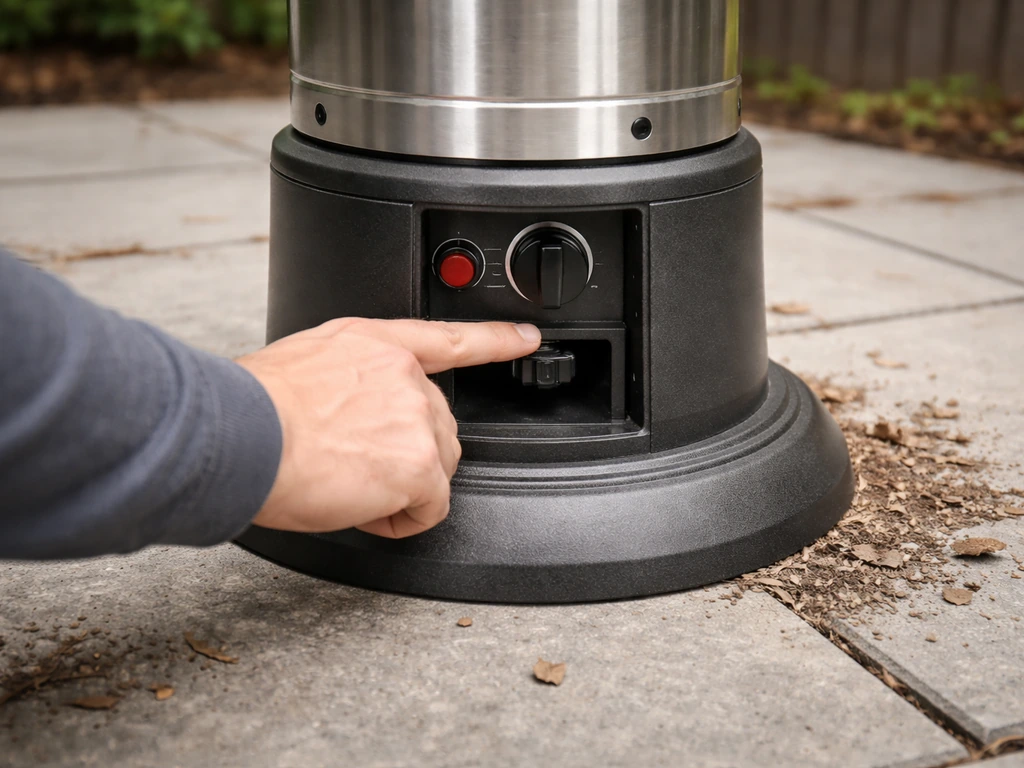
On heaters without a dedicated button, simply returning the unit to a level, stable position is enough to reset the switch automatically. For electric patio heaters, stand it upright and the tip-over protection resets to standby mode, then use the control panel or remote to restart. Once reset, reopen the gas valve and attempt a normal ignition.
That's the whole process in most cases, but if it trips again or won't stay lit, there's more to check, and this guide walks through all of it.
What the tilt switch actually does
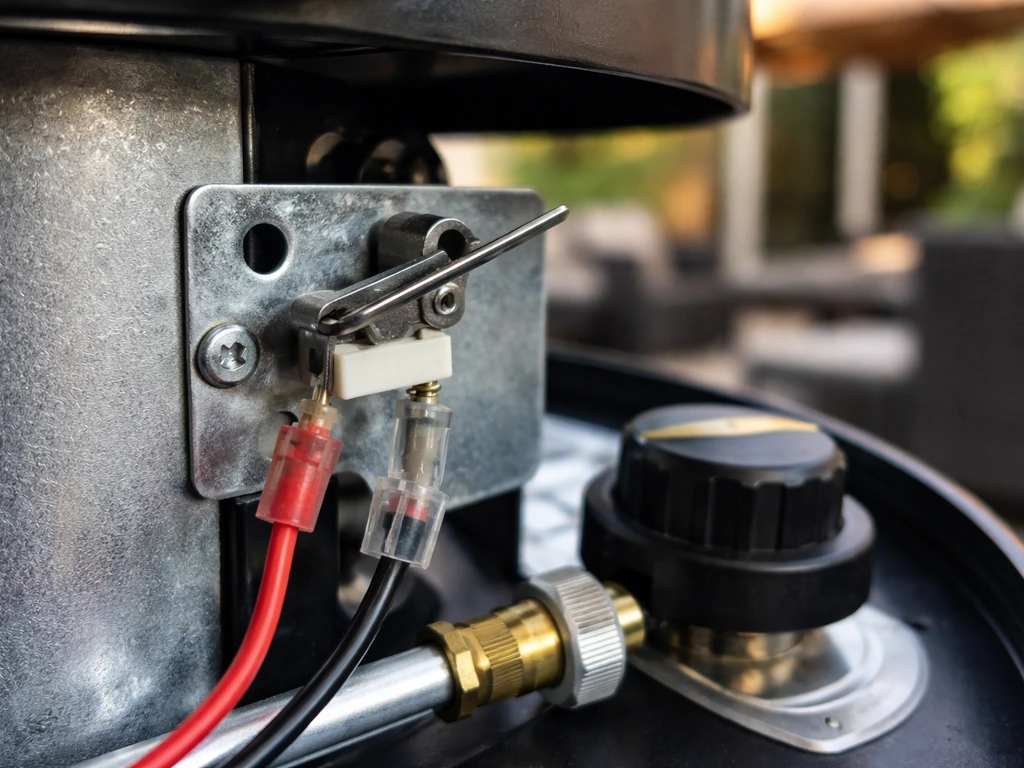
The tilt switch (also called a tip-over switch) is a safety device built into your patio heater that shuts off the gas or power the moment the unit tips past a critical angle. It's there to prevent a knocked-over heater from continuing to burn or heat in an unsafe position. On propane models, the switch sits in the gas-control safety circuit, wired in series with the thermocouple or pilot-sensing system.
If the tilt switch opens, meaning the angle trigger activates, gas flow to the burner is cut off just like it would be if the thermocouple failed. On electric models, it cuts power to the heating element instead. Some designs use a mercury switch internally, where the liquid mercury shifts away from the contacts when tilted, breaking the circuit. Others use a mechanical ball-bearing mechanism.
Either way, the effect is the same: the heater shuts off, and it won't restart until the switch is satisfied that the unit is upright and stable again.
Because the tilt switch and thermocouple are wired in series on many common propane patio heater designs, a problem with either one produces identical symptoms from the outside. That's worth keeping in mind as you troubleshoot, you may think it's the thermocouple when it's actually the tilt switch, or vice versa.
How to tell if your tilt switch tripped
The most obvious scenario is that the heater was physically knocked over or bumped hard, and now it won't light or stay lit. But tilt switch trips aren't always that dramatic. Here are the situations where the tilt switch is your most likely culprit:
- The heater was tipped, bumped, or fell over, and now it won't ignite at all
- The heater lights when you hold the knob in, but shuts off the moment you release it (the tilt switch is actually more likely than the thermocouple in this scenario)
- The heater shuts off randomly even though it appears to be standing perfectly upright — this suggests the switch itself may be faulty or hypersensitive
- The heater was moved or transported and now behaves differently than before
- Wind caused the heater to sway or rock, and it shut off during or after the event
- The heater sits on a slightly uneven surface and shuts off intermittently
If the heater keeps shutting off for no apparent reason even when it's level, that points to the tilt switch being the problem rather than just being tripped. A faulty switch can randomly open even when the heater isn't tilted at all. That's a different repair than a simple reset, which we'll get to below. Wind-related shutoffs can also involve the pilot flame being blown out, which triggers a thermocouple-driven shutdown rather than a pure tilt switch trip, so if you're in a consistently windy spot, the root cause may be more about placement than the switch itself.
Before you touch anything: safety prep
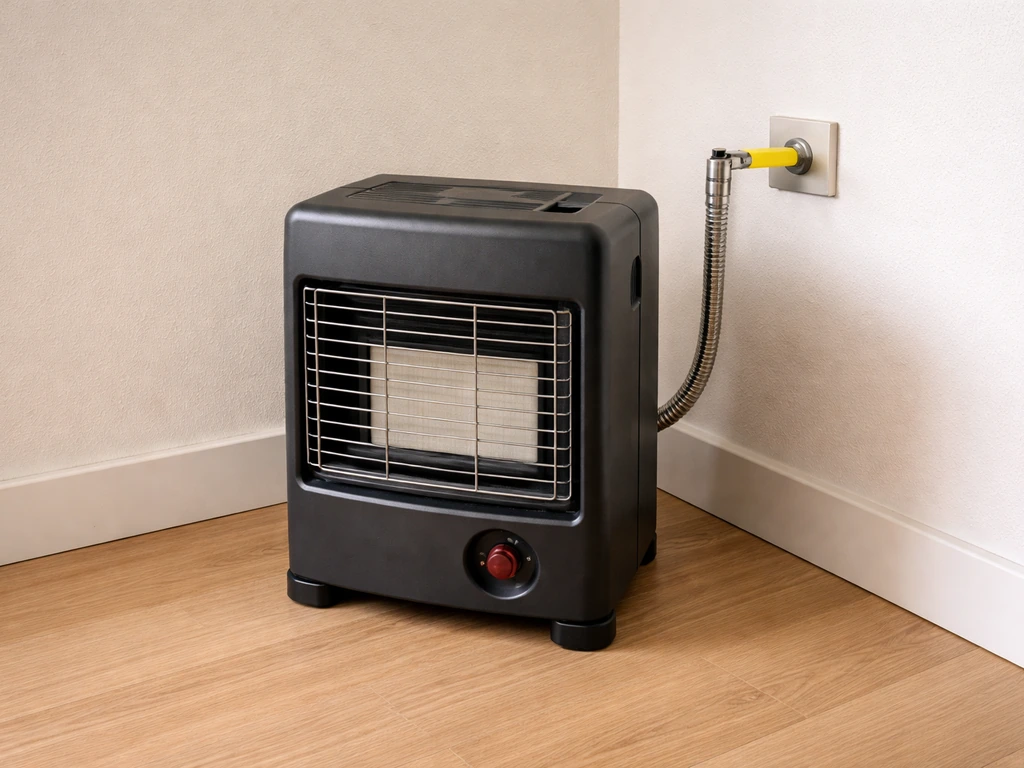
Don't skip this section. Working around a gas appliance that has recently been running or tipped over requires a few checks before you do anything else. Turn off the heater and blank" rel="noopener noreferrer">let it cool before servicing, as stated in the Desa/Desatech propane tabletop heater manual.
- Let the heater cool down completely. If it was running or recently tipped while lit, give it at least 15 to 20 minutes before touching any components. Burner heads, reflectors, and the pole can stay hot well after the flame goes out.
- Sniff the area for gas. If you smell propane anywhere near the heater, stop immediately. Shut off the gas valve at the tank, move everyone away from the area, don't use any electrical switches or open flames, and don't re-enter until the smell is gone. If it persists, call your gas supplier or the fire department. Do not attempt any reset while there is a gas odor present.
- Close the propane tank valve. Before you inspect, move, or touch the heater's internal components, turn the tank valve fully clockwise to close it. Do not troubleshoot with gas flowing.
- For electric patio heaters, unplug the unit from the wall before inspecting any wiring or internal components.
- Make sure the heater is on a stable, flat surface before you start. If it tipped on an uneven deck or gravel, that surface may be what triggered the trip in the first place — and resetting on the same surface will just trip it again.
Propane patio heaters should never be used indoors or in any enclosed space, and you should always follow your manufacturer's instructions. If you've lost the manual, most brands post them as PDFs on their website, look up your model number and download it before you proceed.
How to reset the tilt switch, step by step
The exact reset process depends on whether your heater has an auto-reset tilt switch or one with a manual reset button. For manual reset procedures on limit or safety controls, Harbor Freight’s heater manual specifies unplugging the unit and pressing the blank" rel="noopener noreferrer">manual reset button to reset it. If the tilt switch keeps tripping, it is often acting as the patio heater safety switch, so check stability and follow the reset steps. Here's how to handle both.
For propane patio heaters (most common design)
- With the propane tank valve closed and the heater cool, stand the heater fully upright on a level, hard, stable surface. A flat patio, deck, or concrete surface works best.
- Locate the tilt switch. On most freestanding propane patio heaters, it's mounted somewhere along the pole, near the base, or inside the base housing. It typically looks like a small cylindrical or rectangular sensor with two wires attached. Check your manual if you're not sure where yours is.
- If your tilt switch has a reset button (a small recessed or raised button on the switch body), press and hold it firmly for 5 to 10 seconds, then release. You may hear or feel a faint click.
- If there is no reset button, the switch is auto-reset by orientation. Simply having the heater standing upright and level is enough to reset it. Give it a moment to settle.
- Visually inspect the wiring connections to the tilt switch. Look for anything that is loose, disconnected, or appears burned or corroded. If the connectors look fine, move on. If something looks damaged, don't proceed to ignition — skip to the section below on wiring and replacement.
- Slowly reopen the propane tank valve (counterclockwise), then attempt a normal ignition following your heater's startup procedure: typically pressing the control knob in, turning to the pilot or low position, holding it in for 30 seconds after ignition to let the thermocouple heat up, then turning to your desired setting.
For electric patio heaters
- Unplug the heater from the wall outlet.
- Stand the unit fully upright on a level surface.
- Wait 30 seconds, then plug it back in. Most electric patio heaters with tip-over protection will reset to a standby state automatically when returned to upright.
- Use the control panel buttons or remote control to restart the heater normally. Do not expect it to resume on its own — you need to actively start it after the reset.
Testing after the reset
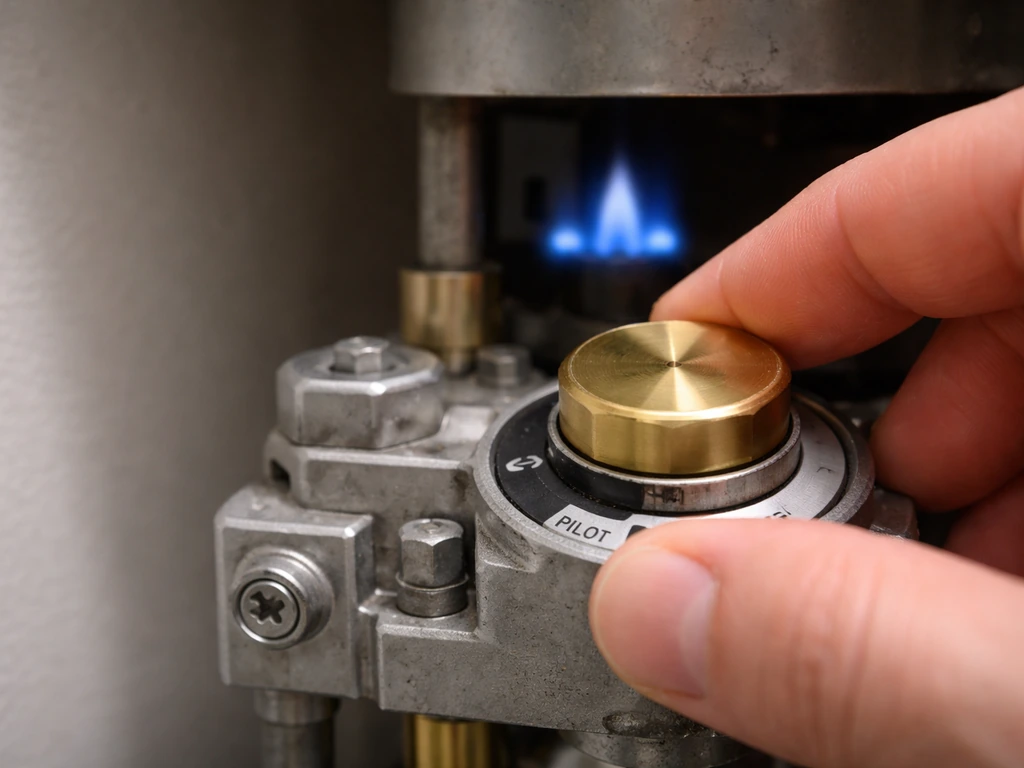
A successful reset is only confirmed when the heater lights, stays lit after you release the control knob, and runs stably for several minutes. Here's how to verify it properly:
- Attempt ignition using your normal startup sequence. For propane models, hold the knob in on the pilot or low setting and use the igniter. Once the pilot lights, keep holding the knob in for a full 30 seconds before releasing — this is the thermocouple warm-up period, not a tilt switch thing, but it matters for the test.
- Release the knob slowly. If the flame stays lit, that's a good sign. If it goes out immediately when you release, the tilt switch may still be open (or the thermocouple is the issue — see note below).
- Turn the heater up to your normal operating setting and let it run for at least 5 minutes. Watch for any unexpected shutoffs.
- Gently nudge the heater slightly to one side (don't tip it, just a gentle push) and watch whether the flame responds. This helps confirm the tilt switch is active and working at the correct angle rather than being stuck open.
- If the heater runs steadily for 5 to 10 minutes without shutting off, the reset was successful.
If the heater shuts off when you release the control knob and won't stay lit, the problem may actually be the tilt switch failing in the open position rather than just being tripped. If your patio heater turns off when the knob is released, that can also point to a tilt switch that is failing open, which this guide covers in the troubleshooting section when you release the control knob. That looks identical to a failing thermocouple from the outside, which is why a cross-wire diagnostic test (described in the next section) can help pinpoint which component is at fault.
If the reset doesn't fix it
If the heater still won't stay lit, keeps tripping, or behaves erratically after the reset, work through these common causes before deciding on a fix.
The heater surface isn't truly level
Some tilt switches are sensitive enough that even a small lean triggers a trip. If your heater is on a sloped deck, gravel, pavers with gaps, or soft ground, it may be sitting at enough of an angle to keep the switch borderline. Use an actual level on the base and get it as close to perfectly upright as possible. On softer surfaces, a paving stone or solid board underneath the base can make a real difference.
The tilt switch is stuck open or faulty
If the switch has been physically damaged, corroded, or simply worn out, it can stay open (circuit broken) even when the heater is perfectly upright. The symptom is a heater that lights but shuts off immediately when you release the knob, repeatedly, with no improvement. If your patio heater control knob feels stuck or won’t return normally, it can prevent proper shutdown and restart, so address the knob issue alongside the tilt switch symptoms patio heater control knob stuck.
To diagnose this without a multimeter, you can perform a cross-wire test: with the gas off and the heater cool, carefully disconnect the tilt switch connector and the thermocouple connector, then swap the wires so the thermocouple wire connects to the tilt switch terminal and vice versa. If the heater now stays lit after the knob is released, the tilt switch is confirmed faulty and needs to be replaced. Important: this is a diagnostic test only.
Do not leave the heater wired this way permanently, it bypasses a safety device. We do not recommend learning how to bypass a tilt switch on a patio heater, because it defeats the purpose of the tip-over safety control bypasses a safety device.
Loose or damaged wiring connections
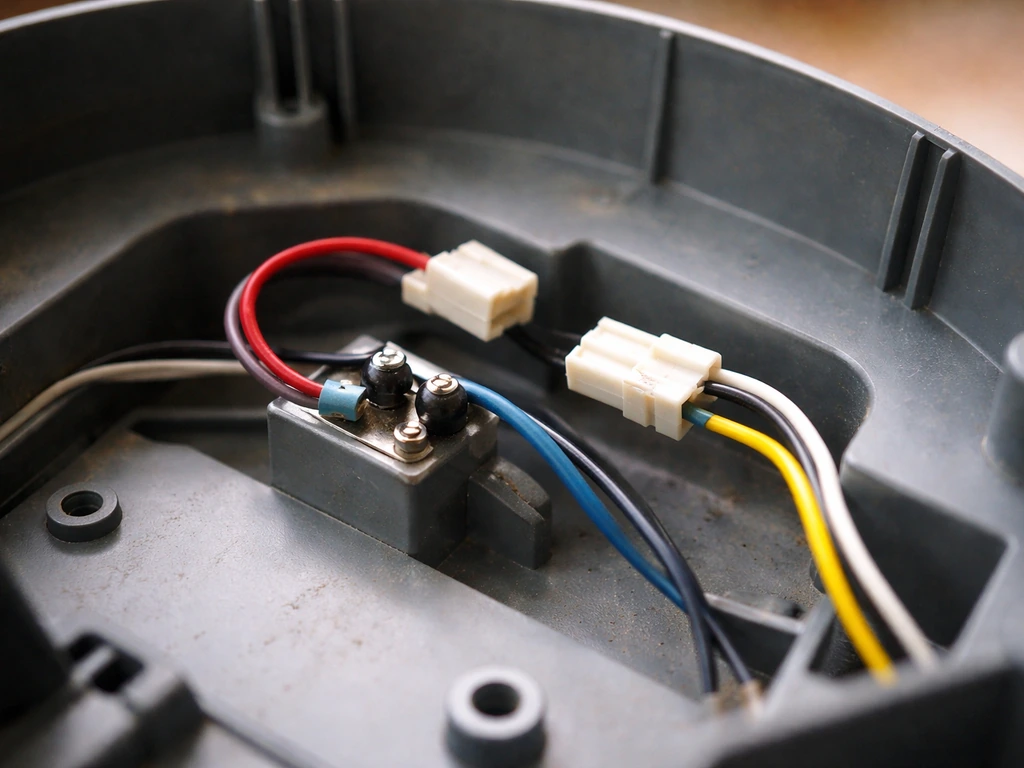
A tilt switch that gets jostled in a tip-over event can pull a connector loose from its terminal. Inspect both wires running to the switch and make sure each connector is seated fully and not corroded or burned at the contact point. A connector that looks fine but has a slight greenish corrosion layer can still cause intermittent failures, clean the contact with a small amount of electrical contact cleaner or fine sandpaper if needed.
The switch needs to be replaced
Tilt switches are replaceable parts on most patio heater brands. For example, Mr. Heater lists a specific replacement tip-over switch for several of their models. To find the right part, locate your heater's model number (usually on a sticker near the base or on the regulator assembly) and search for it along with 'tilt switch' or 'tip-over switch' on the manufacturer's parts page or a parts supplier. Replacing the switch typically involves disconnecting two wires, removing a mounting screw or clip, and reversing the process with the new switch, well within basic DIY territory as long as you have the gas off and the heater is cold.
Repeated trips due to instability
If the heater keeps tripping the tilt switch during normal use, the underlying problem may be that the heater is simply unstable where it's placed. A tall freestanding propane patio heater on a windy patio, on soft grass, or near a high-traffic area is going to rock and sway. Solving this means addressing the placement: use a weighted base if your model supports it, move the heater to a more sheltered spot, or consider a tabletop model for tighter spaces.
This overlaps with why patio heaters shut off in general, if yours is shutting off frequently for reasons that aren't clearly a tip-over event, that's worth investigating as its own issue. If your patio heater keeps shutting off repeatedly, you may want to review the common causes behind that symptom beyond the tilt switch why patio heaters shut off in general.
When to stop DIY and call for service
Most tilt switch resets and even switch replacements are straightforward DIY jobs. But there are situations where you should stop, close the gas valve, and get a professional involved:
- You smell gas at any point during the process and it doesn't clear after the tank valve is closed and you've ventilated the area
- The gas valve itself appears damaged, cracked, or leaking after a tip-over event
- The regulator hose is kinked, cracked, or shows physical damage from the fall
- Wiring inside the heater shows burn marks, melted insulation, or evidence of arcing beyond just a loose connector
- The heater has a bent pole or structural damage that prevents it from standing stably even on a level surface
- You've replaced the tilt switch and it still won't stay lit, and the cross-wire test didn't clearly isolate the problem
- The heater is an older model and you can't find replacement parts — continuing to use a heater with a bypassed or disabled safety switch is not safe
If any of those apply, a qualified gas appliance technician or the heater manufacturer's service line is the right next call. Patio heaters are repairable appliances, not disposable ones, but they're also gas or high-wattage electric devices where a skipped step can create a real hazard. Know where the line is, and don't cross it to save a service call.
FAQ
How long should I wait after a tilt switch trip before trying the reset again?
Wait for the heater to fully cool, then allow a short additional pause (about 1 to 2 minutes) before resetting and attempting ignition. This helps ensure the safety circuit is back in a stable state, especially on propane models where the thermocouple and gas-control components can stay warm for several minutes.
What if pressing the reset button does nothing on a propane heater?
First confirm the heater is truly upright on a level surface, then shut the propane tank valve fully and leave it off for a minute before trying again. If the reset button still has no effect, inspect the tilt switch connector for looseness or corrosion, because a failed switch or a disconnected wire can make the reset button appear nonfunctional.
Do I need to replace the tilt switch if it trips once during windy conditions?
Not automatically. If it trips only when the heater is getting knocked or the wind repeatedly disrupts the pilot or flame, focus on placement and stability (shelter from wind, level base, solid footing). Replace the switch only if it continues to trip when the heater remains perfectly upright or it fails the “stays lit after knob release” diagnostic behavior.
Is it safe to reset immediately after the heater tips over and shuts off?
No. Do not attempt an immediate restart after a tip-over. Shut off the propane valve (for propane units), keep the heater upright, and wait for cooling before resetting. Restarting while hot can worsen intermittent contact issues and increases risk around a compromised safety circuit.
Why does my heater light but shut off as soon as I release the control knob?
That pattern can indicate the tilt switch is stuck open, not just a thermocouple issue. If the heater repeatedly behaves this way even when perfectly level, use the cross-wire diagnostic described in the troubleshooting section, but do not leave the wires swapped permanently.
Can I use the heater if the control knob feels sticky or won’t return smoothly?
You should address the control knob issue before focusing on the tilt switch. A knob that does not return properly can prevent the safety logic from resetting correctly, leading to confusing symptoms. If the knob binds or feels damaged, stop and consider professional service.
What should I check first if the tilt switch keeps resetting but the heater still won’t stay lit?
Check placement and angle first, then inspect wiring at the tilt switch and any connectors for corrosion or looseness. If the heater starts only on one side, sits on an uneven surface, or rocks slightly, the switch may be borderline rather than fully failing.
How do I know whether my model has an auto-reset tilt switch or a manual reset button?
Look for a dedicated small reset button on the tilt switch body near the base or pole, or consult your model’s manual. If there is no button and the heater recovers after being returned upright, it is likely auto-reset, and repeated trips usually indicate instability or a failing switch.
What’s the fastest way to confirm the heater is level where the base sits?
Use a real bubble level on the heater’s base surface, not on the deck nearby. Small slopes at the base can be enough to trigger sensitive tip-over switches, especially on pavers with uneven support or soft ground.
I cleaned the contacts, but the heater still trips. Does that mean the tilt switch is definitely bad?
Not necessarily. Cleaning a corroded connector can fix intermittent failures, but persistent trips after cleaning suggest either the switch is worn, the heater is still sitting at a borderline angle, or a different component in the same safety chain is opening. If symptoms persist, proceed with the diagnostic steps and replacement decision accordingly.
When should I stop DIY troubleshooting and call a technician?
Call a qualified gas appliance technician or the manufacturer if you suspect gas leaks, have scorch or melted wiring, the pilot or burner shows abnormal behavior (such as repeated ignition attempts with no flame), or you cannot confirm safe electrical connections. Also stop if the heater trips immediately every time even when upright and stable, because it may indicate deeper control-system issues.