A gas patio heater should last 5 to 10 years in regular outdoor use, sometimes longer with decent maintenance. On a single tank of propane, you'll get roughly 8 to 12 hours of runtime from a standard 20 lb cylinder running a 40,000 BTU/hr burner. But those two questions (total lifespan vs fuel runtime) are completely different problems, and mixing them up is where most people get confused. This guide separates both, gives you the real numbers, and tells you exactly what shortens either one.
How Long Does a Patio Heater Last and How Long It Runs

Grant Mercer
6 May 2026
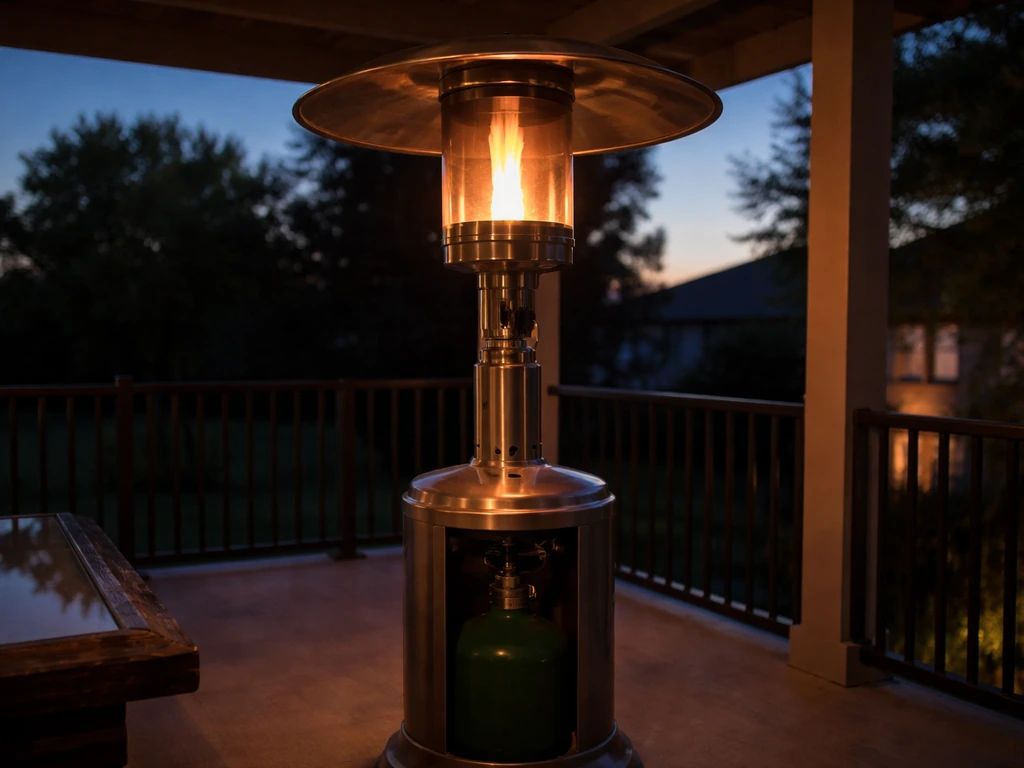
Heater lifespan vs fuel runtime: two different questions
When people ask how long a patio heater lasts, they usually mean one of three things: how many years before the unit dies, how many hours it will run on a single fill of fuel, or why it keeps shutting off during a session. Those are genuinely separate issues with separate answers.
Overall service life is about the physical condition of the unit: the burner, the control valve, the regulator, the hose, and the safety components like the thermocouple and tilt switch. With basic annual maintenance and proper storage, a quality propane tower heater or tabletop model can realistically last 7 to 10 years. Budget units with thin steel and cheap ignitors tend to fail in 3 to 5 years, especially if left outside year-round. Natural gas patio heaters connected to a permanent gas line often outlast portable propane models because there's no cylinder hardware to degrade.
Fuel runtime is purely a math problem. You have a fixed amount of energy in the tank, and the burner consumes it at a known rate. That's it. The heater doesn't "use up" over a single session; it either runs cleanly on the fuel available or it doesn't. If your heater keeps shutting off before the tank runs dry, that's a component issue, not a fuel issue, and it has its own fix.
How long a gas patio heater will run on one fill
The runtime formula is simple: take the total usable BTUs in your fuel supply and divide by the heater's BTU/hr output. A good way to estimate this is to use the heater's BTU/hr rating and the fuel capacity of your propane tank, since that directly determines burn time BTU/hr output. A full 20 lb propane cylinder contains about 430,000 BTUs of usable fuel (roughly 4.7 gallons at 91,500 BTU per gallon). A 40,000 BTU/hr heater will burn through that in about 10.75 hours. A higher-output 48,000 BTU/hr burner shortens that to around 9 hours. Drop the output down to a 30,000 BTU/hr setting or a smaller model, and you could stretch the same cylinder to 14 hours.
| Heater Output (BTU/hr) | 20 lb Tank (430,000 BTU) | 30 lb Tank (645,000 BTU) |
|---|---|---|
| 30,000 | ~14.3 hours | ~21.5 hours |
| 40,000 | ~10.75 hours | ~16 hours |
| 48,000 | ~9 hours | ~13.4 hours |
| 60,000 | ~7.2 hours | ~10.8 hours |
These are theoretical maximums at steady full output. Real-world runtime is usually a bit shorter because you lose some fuel during the lighting sequence, regulators don't always deliver perfect pressure, and cold weather reduces propane vaporization. Running the heater on a lower heat setting extends the tank life proportionally, since most models don't have a fixed single output.
For natural gas models, the math works differently because you're on a continuous supply, not a finite cylinder. Natural gas delivers about 1,038 BTU per cubic foot, so a 40,000 BTU/hr heater burns roughly 38.5 cubic feet per hour. Runtime isn't limited by tank depletion; it's limited by how long the gas line stays live and the heater stays in good working order.
What actually affects how long the gas lasts
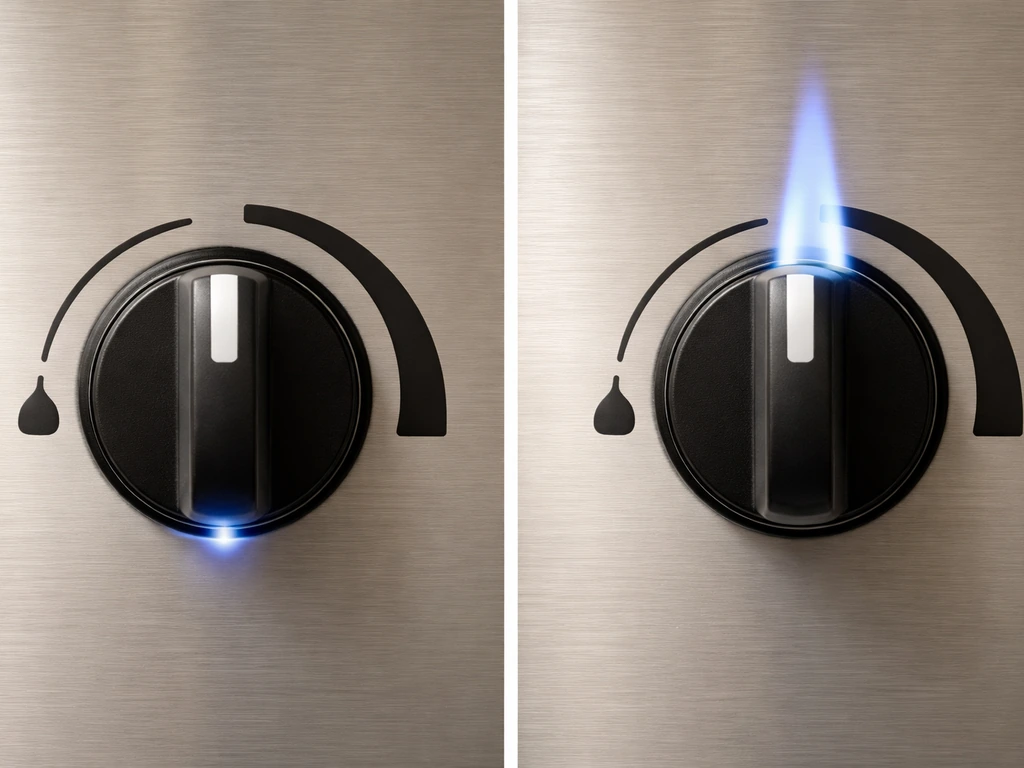
Several things will shorten the actual runtime you see versus what the math predicts, and some of them are easy to fix.
- Burner output setting: most heaters have a high/low or variable dial. Running at medium instead of full output can nearly double your burn time on the same cylinder.
- Cold temperatures: propane is a liquid under pressure, and it has to vaporize to burn. In cold weather (below about 40°F), vaporization slows down and the effective output drops. This is a real effect, especially with small cylinders that get cold faster. ProCom's tank-top heater documentation explicitly calls out that tank vaporization conditions will affect runtime.
- Wind: a strong breeze doesn't reduce BTU output directly, but it causes the heater to radiate heat less efficiently, so you crank it higher to feel the warmth, burning fuel faster.
- Regulator condition: a worn or partially blocked regulator can starve the burner of gas, meaning the flame looks full but output is lower than rated. This wastes run time and gives you less heat.
- Cylinder fill level: a nominally 'full' cylinder from the exchange rack is often only 80 to 85% full. That 20 lb cylinder might actually hold 17 to 18 lbs of propane, which reduces your usable BTUs accordingly.
How long a patio heater propane tank lasts by size
The 20 lb cylinder is the most common size for portable propane patio heaters, and 9 to 11 hours is the realistic expectation for a full-size tower heater running at or near maximum output. If you host gatherings every weekend from April through October, that's roughly 6 to 7 months of seasonal use, and you'd probably refill 3 to 5 times per season depending on session length.
A 30 lb cylinder (about 7. 1 gallons, or roughly 645,000 BTUs) extends that to 13 to 16 hours on a 40,000 to 48,000 BTU/hr heater. Some larger built-in or commercial-style heaters connect to a 100 lb tank, which gives you 50+ hours of runtime and mostly eliminates mid-season refills for residential use. If you're working with a 13 kg LPG bottle (which is about 28.
6 lbs), the runtime is very close to what you'd get from a 30 lb US propane cylinder, so the 13 to 16 hour estimate applies there too. If you want a quick answer, that same 13 to 16 hour range is what you should expect from a 13 kg LPG patio heater bottle at typical 40,000 to 48,000 BTU/hr settings 13 to 16 hour estimate.
One thing worth knowing: the tank size affects more than just total runtime. A small 1 lb disposable cylinder loses pressure quickly in cold weather, making it a poor choice for serious heating. A larger cylinder maintains more stable pressure for longer, which actually helps the burner run more consistently, especially on cold nights when you need it most. If you mean a patio gas bottle's usable fuel life, check its size and the heater BTU output to estimate runtime how long does a patio gas bottle last.
What makes a patio heater last longer or fail early
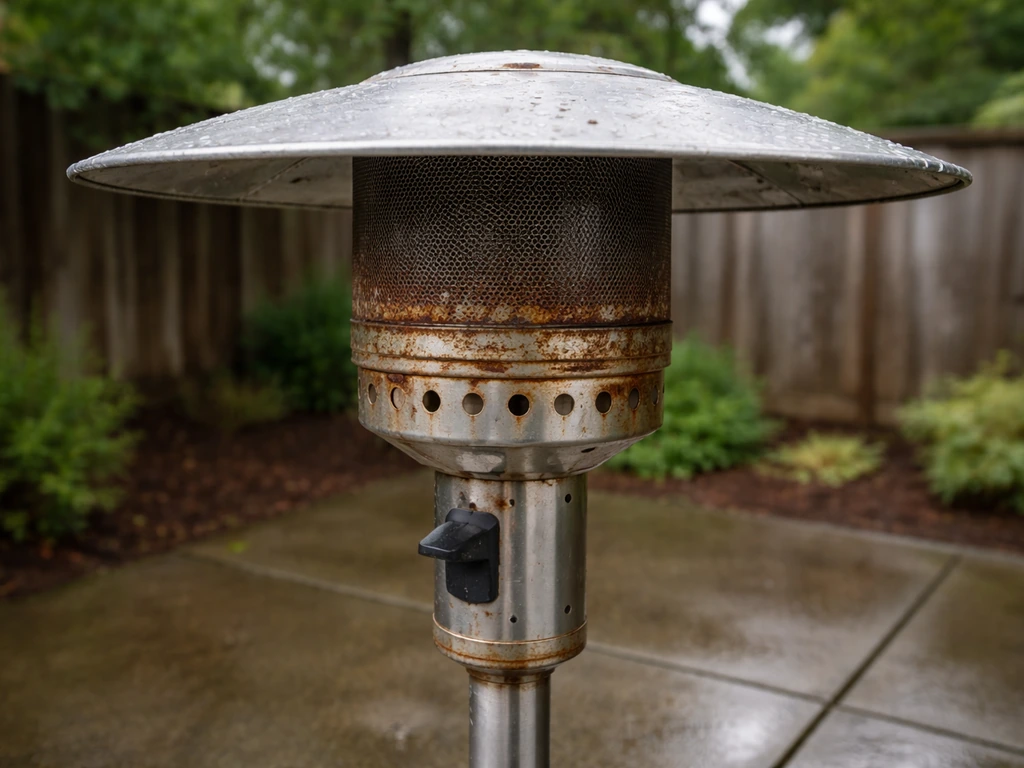
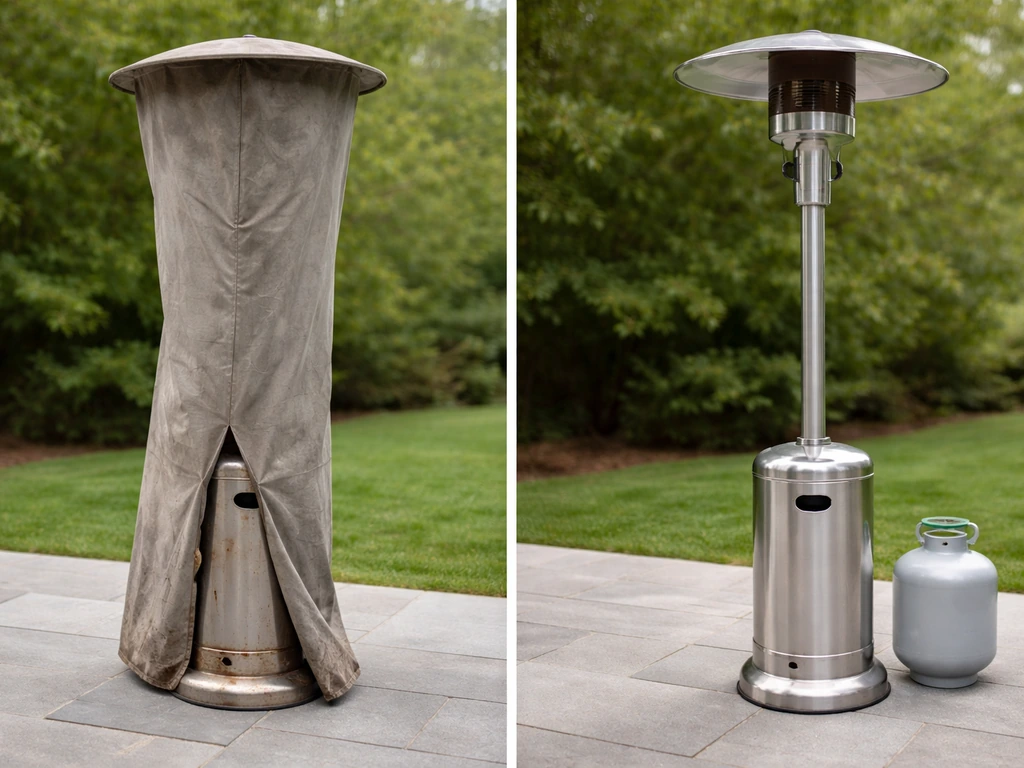
The biggest factor in overall heater lifespan is weather exposure. Patio heaters left outside uncovered through rain, snow, and UV exposure corrode fast. The burner screen rusts, the igniter corrodes, and the regulator degrades from moisture. A fitted cover and off-season indoor storage can easily add 3 to 5 years to the practical life of the unit. This isn't optional advice: it's the single highest-return maintenance move you can make.
After weather exposure, the next major failure drivers are the safety components and the ignition system. The thermocouple is a small heat-sensing rod that sits in the pilot flame and tells the gas valve it's safe to stay open. When it degrades, the heater lights and then cuts out after a few seconds. The tilt switch is a safety device that shuts off the gas if the heater tips over. Both the tilt switch and thermocouple are wired in series, meaning either one failing will prevent the heater from staying lit. These parts are inexpensive and replaceable, but they're also the reason a heater that worked fine last season suddenly won't stay on this year.
Spiders and insects are a more common failure cause than most people expect. The Mr. Heater Big Buddy manual specifically warns that spider webs and insect nests can clog the burner venturi and orifice passages. If your burner orifice is clogged or the venturi is blocked, the Mr. Heater Big Buddy troubleshooting instructions say it can cause ignition or pilot problems, and they recommend clearing those parts spider webs and insect nests can clog the burner venturi and orifice passages. A partially blocked orifice produces a weak, yellow flame and incomplete combustion. It doesn't just waste fuel, it creates carbon monoxide risk. If your heater has been sitting unused, inspect the burner and venturi before firing it up.
- Heavy corrosion and rust on the burner, emitter screen, or housing cuts lifespan significantly
- A degraded hose (cracking, abrasion, or cuts) is a safety and performance problem: Mr. Heater's manuals are explicit that a damaged hose must be replaced before use
- Igniter electrode degradation is common after 3 to 5 years of outdoor use; the spark either weakens or stops firing entirely
- Regulator wear causes inconsistent pressure delivery, especially noticeable as a weak flame at full output
- Operating the heater in high-wind conditions without a windscreen stresses the flame sensor and causes repeated nuisance shutoffs that accelerate component wear
Maintenance and DIY checks to extend both runtime and total life
Patio heater maintenance takes about 20 to 30 minutes once a year and makes a real difference in both runtime quality and how long the heater stays safe to use. Both Mr. Heater and Hiland (AZ Patio Heaters) manuals call for inspection before each use and a more thorough annual inspection. Here's what that actually means in practice.
- Inspect the hose and regulator before every season and before the first use each spring. Look for cracking, kinking, abrasion, or any cuts. If you find any, replace the hose assembly before operating the heater. Don't tape it, don't skip it.
- Check the burner orifice and venturi for obstructions. Use a thin wire or compressed air to clear any spider webs or debris. A clogged orifice produces a weak, yellow, or uneven flame.
- Test for gas leaks at every connection by brushing on a soapy water solution with the gas on but before igniting. Bubbles mean a leak. Tighten the connection or replace the fitting before using the heater.
- Clean the emitter screen and reflector. A dirty screen disrupts heat radiation and makes the heater seem less effective even when the flame is burning correctly.
- Check the thermocouple tip for carbon buildup. A light cleaning with fine steel wool can restore contact between the flame and the sensor, fixing 'lights then goes out' behavior in many cases.
- Inspect the tilt switch mechanism to make sure it moves freely and hasn't corroded or seized in position. A stuck tilt switch can either prevent the heater from staying on or, worse, prevent it from shutting off when it should.
- Store the unit with a fitted cover between uses and bring it indoors or into a garage for the off-season if possible. Drain or disconnect the cylinder before storage.
These steps aren't just about runtime: they're about getting the full expected lifespan from the unit. A heater that's cleaned and inspected annually will outlast a neglected one by years, and it'll run more efficiently on each tank fill.
When to stop DIYing and call for service
There's a clear line between what a competent DIY homeowner should handle and what needs a qualified service person. Mr. Heater's own manuals draw this line explicitly: the heater must be inspected at least annually by a qualified service person, and if any part of the control system or gas valve has been submerged in water, a qualified technician must inspect and replace affected parts before the heater is used again. Don't shortcut that.
On the DIY side: cleaning the burner, replacing a thermocouple, swapping a hose and regulator, cleaning the igniter electrode, and testing for leaks are all reasonable tasks for someone with basic hand tools and the patience to follow the manual. These fixes directly restore runtime and extend heater life.
Stop and get professional help if you notice any of the following situations.
- The gas control valve or ODS (oxygen depletion sensor) pilot assembly appears damaged or isn't functioning correctly. The Hiland manual is explicit: do not bypass the thermocouple safety, and the same logic applies to the ODS system. These aren't parts to work around.
- You smell gas after shutting the heater off and disconnecting the cylinder. That points to a valve or fitting problem that needs professional inspection.
- The heater was flooded, submerged, or heavily rained on while the gas was connected. Internal corrosion in the control system isn't visible from the outside.
- The regulator hisses, leaks from the body (not just the connection), or has been dropped and dented. Regulators are not serviceable by DIYers.
- The unit is more than 8 to 10 years old and showing multiple simultaneous problems. At that point, the cost of professional service may exceed the replacement value, and a new unit is often the safer and more economical choice.
The goal here is keeping the heater running safely and efficiently for as long as it reasonably can. Most common runtime failures like the heater not staying lit, weak flame, or ignition problems are fixable without spending much money. But gas appliances deserve respect: when the problem is in the control valve, the gas line, or the safety system, that's not the place to experiment. If you need guidance on the hookup side, see how to connect gas bottle to patio heater for the right fittings and safe procedure before you troubleshoot runtime issues.
FAQ
If my propane patio heater runs fewer hours than expected, does the tank fuel automatically mean it’s “worse”?
Not necessarily. A heater can “feel” like it runs less because cold weather reduces propane vaporization, the lighting sequence wastes some fuel, or the burner output is effectively lower due to regulator issues. If it shuts off early, treat it as a safety or control problem (for example thermocouple or tilt switch), not a fuel-shortage problem.
How much does burner heat setting change how long a patio heater lasts on a full tank?
Yes, and it can be a major difference maker. If you run the heater at a lower setting most of the time, runtime can extend roughly in proportion to output (for example, dropping from 40,000 to 30,000 BTU/hr increases cylinder life). If your heater is effectively stuck on high output or you are seeing weak flame at the same setting, that points to a component issue.
Why does the burn time math not match my actual patio heater runtime?
A fixed-output rating is what you use for rough runtime math, but real-world output can vary with wind exposure, partial obstructions, and degraded regulators. The practical check is flame quality: a strong, mostly blue flame without excessive yellow indicates the heater is burning efficiently, while a weak, yellow flame suggests restriction that reduces effective heat.
What should I expect when my propane tank is almost empty?
You may still get a few usable minutes, but you should expect lower performance before the tank is truly empty. As propane pressure drops, the burner may struggle to maintain a steady flame and may trigger shutoff behavior sooner. If you consistently see early shutdown, inspect pressure delivery components and safety sensors.
Could insects cause my patio heater to stop sooner than a new tank would normally allow?
Spiders and insects can block the burner venturi or orifice, which causes incomplete combustion, weak flame, and earlier-than-expected shutdown. If the heater has been idle, inspect and clean the burner area and vent passages before firing it up, then verify flame strength during the first minutes.
My patio heater lights, then shuts off after a few seconds. Is that a fuel runtime issue?
Yes. A heater that keeps turning off after lighting often traces to the thermocouple not staying hot enough, or a tilt switch wiring or function fault. Because those are safety devices, the safer move is to follow the manual’s troubleshooting steps and replace the failed part rather than trying to “bypass” safety systems.
What’s the best way to make a patio heater last longer year to year?
Use a fitted cover and store it indoors (or in a dry, ventilated area) during the off-season. Avoid leaving it exposed to rain, snow, and UV because corrosion attacks the igniter, burner screen, and regulator, which can shorten both overall lifespan and runtime consistency.
Can I replace parts myself to extend heater lifespan, or should I always use a technician?
For many portable units, replacing the hose and regulator or service parts is a valid DIY task only if the manual allows it and you can perform leak testing correctly. If a control valve or any gas component was submerged, the safest approach is to have a qualified technician inspect and replace affected parts before operation.
If I switch to natural gas, how does “how long it lasts” change compared with propane?
Because natural gas is a continuous supply, tank size does not apply. Runtime is instead limited by how long you operate the heater and whether gas delivery and safety components stay in good condition (for example, steady gas pressure and a clean burner). If a natural gas heater shuts off early, it still likely points to safety or control faults, not “running out of gas.”
Is it worth running my patio heater on a lower BTU setting to make the tank last longer?
At the low end of the BTU range, runtime may increase, but heat output may not be sufficient for your space. Start with the output you need, then lower the setting only if you can still maintain comfort. If you find you must constantly run higher to keep the same comfort, that can indicate burner restriction or regulator problems rather than a “correct” fuel tradeoff.