To find the right Alva patio gas heater manual, go directly to alva.co.za, navigate to their Manuals - Heating page (tagged by model), and match the GHP model code printed on your heater's label to the correct PDF. Alva publishes model-specific manuals with filenames like GHP48Manual20251.pdf and GHP24andGHP25manual2022.pdf, so using the wrong one gives you wrong diagrams and wrong troubleshooting steps. Once you have the right PDF, the manual includes a full Troubleshooting Guide, Maintenance section, and Leak Test procedure that cover the most common failures: ignition won't spark, heater won't stay lit, and auto-shutoff triggering unexpectedly.
Alva Patio Gas Heater Manual: Find It Fast and Fix Common Issues

Grant Mercer
4 Jul 2026
Find your exact Alva model before anything else
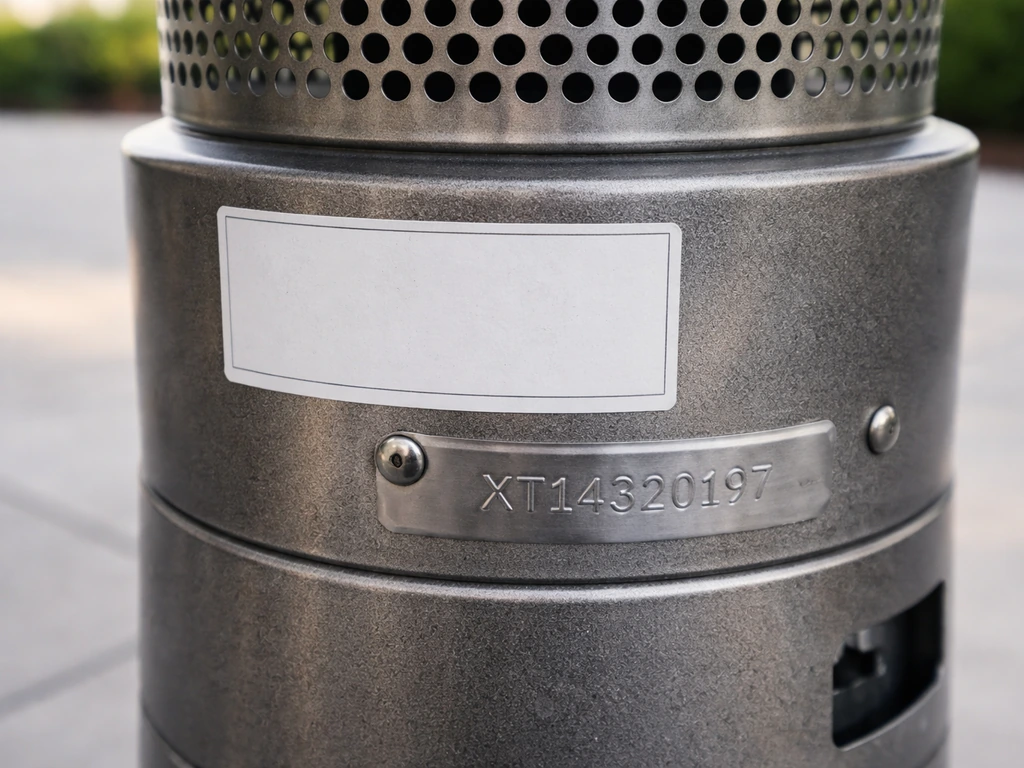
Alva has released multiple generations of gas patio heaters, all under the GHP family, and the manuals are not interchangeable. Known models include the GHP01, GHP24, GHP25, GHP31, GHP45, and GHP48, and each one may have different regulator specs, ignition systems, and burner configurations. Grabbing the GHP31 manual when you own a GHP48 will send you down the wrong path on every troubleshooting step.
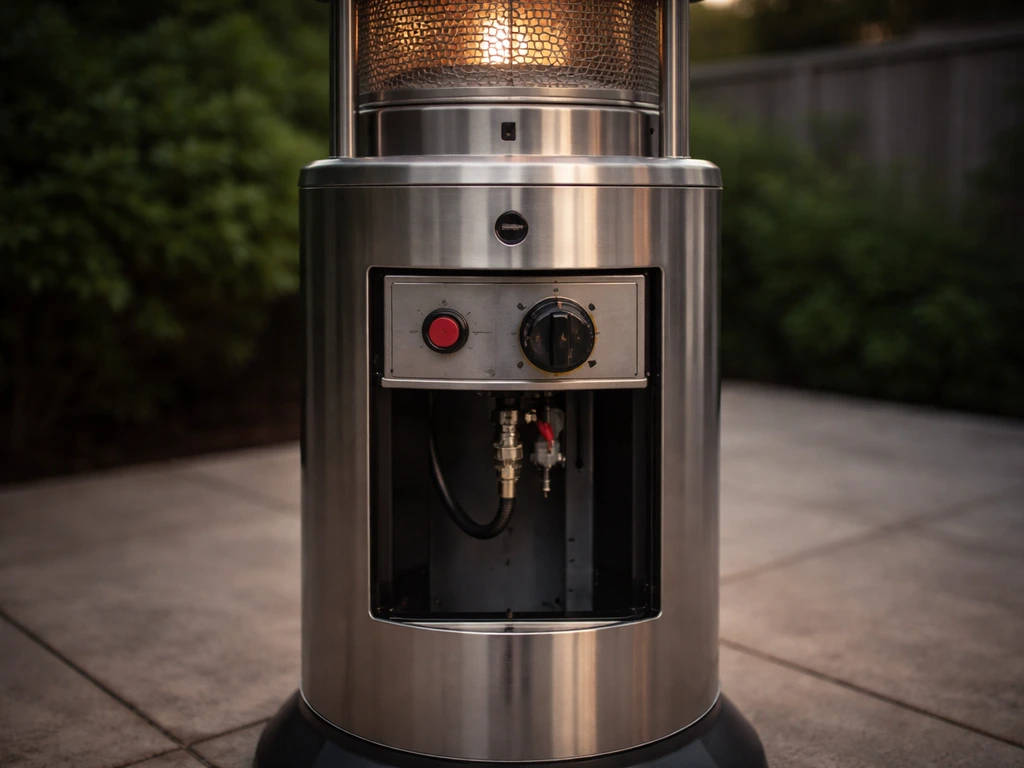
Your model code is almost always on a sticker or stamped plate. Check these spots in order: the underside of the base, the inside of the access panel near the gas valve, and the back of the reflector dome. The code will start with GHP followed by two digits. Write it down before you do anything else.
If the label is worn or missing, cross-reference the physical appearance. The GHP48 is the Short Stand Ceramic Log-style unit, recognizable by its decorative ceramic log burner and glass tube surround. Alva also sells spare parts by model code, so if you can find a matching part on their site (for example, Alva lists a glass tube replacement under SKU GHP48-1), that confirms your model family. The product page model designation will match the PDF manual designation exactly.
Where to get the correct Alva manual fast
Start at the official source. Alva's website (alva.co.za) has a dedicated Manuals page under their Heating section that lists PDFs tagged by product line, including patio heaters. The GHP48 manual, for example, is hosted as a direct PDF download at their CDN. These are free and the most up-to-date versions, so this should always be your first stop.
If the official page is down or you cannot locate your model in their list, Manualzz is your best secondary option. The GHP31 Owner Manual and GHP01 Instruction Manual both appear there with correct model labeling. Manualzz also lists a separate Alva patio heater instruction manual for the GHP01 model as “Alva GHP01 Patio Heater Instruction Manual,” showing that multiple distinct Alva GHP manuals exist for different generations and models GHP01 Instruction Manual. Search for 'Alva GHP' followed by your model number. Read the document title and header carefully to confirm it matches your unit before downloading.
- alva.co.za Manuals - Heating page: best source, PDFs hosted at Alva's own CDN, model-specific filenames
- Manualzz.com: reliable mirror with confirmed GHP01 and GHP31 manuals, searchable by model
- Alva product pages: even if a standalone manual link is absent, the product page often has the model code and links to downloads
- Retailer listings (e.g., Makro, Builders Warehouse): sometimes include manual PDFs or links in product documentation tabs
- Google search: try 'Alva GHP48 manual PDF' or your specific model code — the Alva CDN PDF often appears directly in search results
If you genuinely cannot find a PDF for your exact model, contact Alva's customer support directly with your model code and purchase date. They can email you the correct document. Do not proceed with a manual for a different GHP model as a substitute, the regulator pressure spec and ignition sequence can differ enough to cause problems.
How to read and use the manual for setup and first light
Every Alva GHP manual has the same core sections: safety information, parts diagram, assembly, operating instructions, troubleshooting, maintenance, and a leak test procedure. When you open the PDF, jump to the parts diagram first and identify your ignition type (battery-powered auto ignition vs. piezo push-button), then go to the operating instructions. Skipping straight to the lighting steps without checking the parts section is how people get confused when their heater has a slightly different control knob layout than they expect.
Connecting the regulator correctly
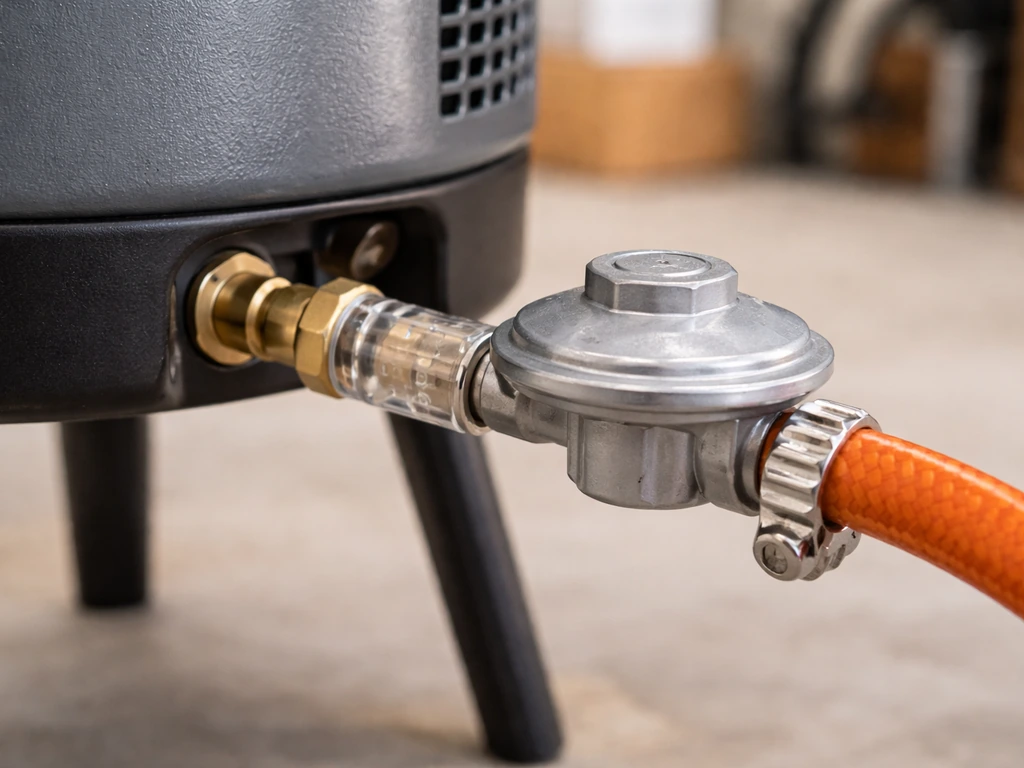
The GHP48 manual is explicit about this: all Alva short-stand heaters are low pressure appliances and must only be used with a 2.8 kPa SANS 1237 approved regulator. The hose spec is SAN1156. If you are using an old regulator from a braai or a different appliance, check the rating stamp on the body before connecting. Also check that the rubber nose cone on the regulator is present and in good condition. The manual specifies hand-tightening only when connecting the regulator to the cylinder, do not use a wrench or pliers on this connection.
The lighting procedure step by step
- Place the heater on a stable, level surface outdoors or in a well-ventilated area
- Connect the regulator to the gas cylinder, hand-tight only, and check the nose cone is seated
- Open the gas cylinder valve slowly (counter-clockwise) about one full turn
- Perform a leak test on the regulator connection (see the Leak Test section below) before proceeding
- For auto-ignition models (like the GHP48): insert the required battery into the battery compartment as shown in the manual — ignition will not work without it
- Turn the control knob to the ignition/pilot position as shown in your manual's diagram
- Press and hold the knob in while pressing the ignition button, or pressing the piezo igniter if your model uses one
- Hold the knob in for 30 to 45 seconds after the flame appears to allow the thermocouple to heat up
- Release the knob slowly — the flame should stay lit; if it drops out, repeat the hold step
- Once the pilot is stable, turn the knob to your desired heat setting
The exact knob positions and igniter button locations vary by model, which is exactly why the right manual matters. The GHP48's parts diagram shows the control layout specifically for that unit. Do not guess at which direction to turn the knob, the wrong sequence can flood the burner with unlit gas.
Troubleshooting: ignition failures, won't stay lit, and lockout
The GHP31 manual, and others in the Alva range, includes a dedicated Troubleshooting Guide section with symptom-based steps. Here is how to work through the three most common failures using what those manuals cover.
Heater won't ignite at all
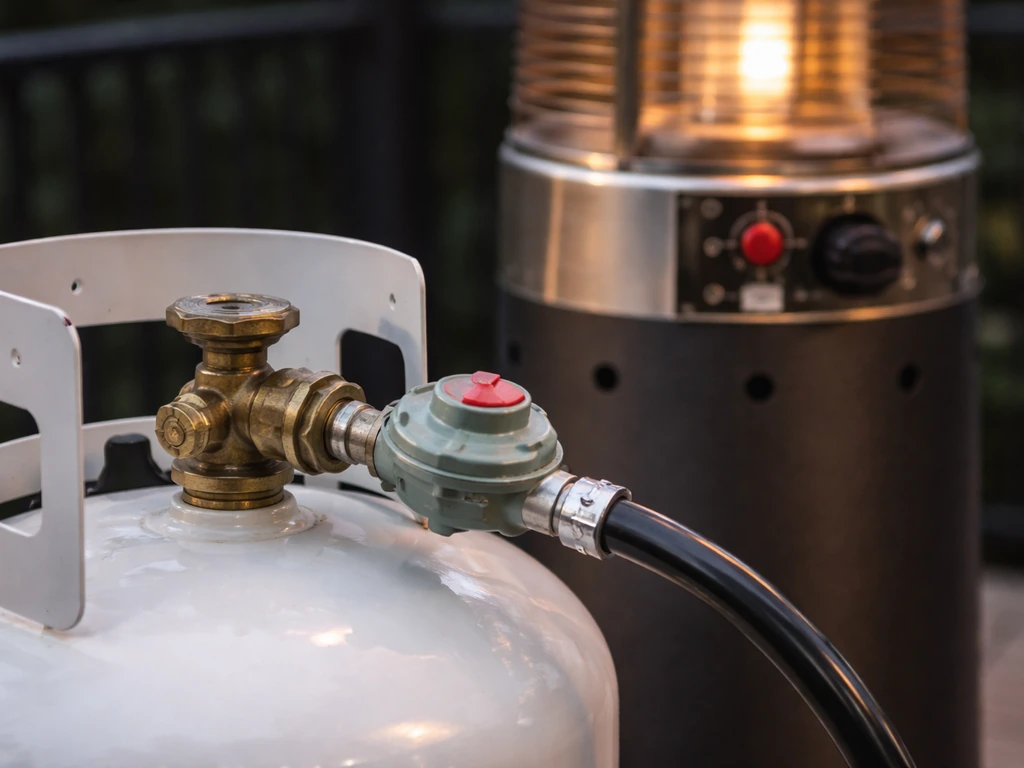
First confirm gas is flowing: open the cylinder valve and check that the regulator is properly connected and the hose is not kinked or crushed. Then check the igniter. On battery-powered auto ignition models (GHP48 and similar), a dead or missing battery is the single most common reason for no spark. Replace the battery even if you think it is fine. If you can hear or see a spark but the burner does not catch, the issue is gas delivery: the pilot orifice may be blocked with debris or spider webs, which is extremely common on heaters that have been stored.
Heater lights but won't stay lit
This is almost always the thermocouple. The thermocouple is a small probe that sits in the flame and generates a tiny electrical signal to hold the gas valve open. If it is dirty, misaligned, or failing, the valve reads no signal and closes the gas supply as a safety measure, which is the heater doing exactly what it is designed to do. Check that the thermocouple tip is positioned directly in the pilot flame path as shown in your manual's diagram. If alignment looks correct, the thermocouple itself may need replacing. Also check that you are holding the control knob in long enough during lighting, 30 to 45 seconds is usually needed for the thermocouple to reach operating temperature.
Heater keeps shutting off unexpectedly (tilt switch / auto lockout)
Alva GHP heaters include a tilt switch (also called an auto-shutoff or tip-over switch) that cuts the gas if the heater moves beyond a safe angle. If your heater keeps shutting off even when it appears upright, the tilt switch may be faulty or the surface it is sitting on is slightly uneven. Place the heater on a verified level surface first. If the problem persists on a flat surface, the switch itself may need replacement. Your manual's parts diagram will identify the tilt switch location, it is typically housed near the base. Do not bypass or disable the tilt switch; it is a critical safety device.
Gas valve and control knob issues
If the control knob turns but you get no gas flow at all even with a good cylinder and regulator, the gas valve itself may be faulty. This is less common than ignition and thermocouple failures but does happen on older units. The manual's parts diagram shows the valve assembly. Before assuming the valve has failed, confirm the regulator is not frozen (this can happen in cold weather with a low cylinder), and that you are not in a low-gas situation, a near-empty cylinder on a cold day can drop pressure enough to prevent reliable flow.
Parts-based fixes the manual covers directly
Alva manuals include parts diagrams with item numbers, and many parts are available from Alva directly using model-specific codes. The GHP48 parts ecosystem, for example, uses codes like GHP48-1 for the glass tube replacement. Here are the main replaceable components the manual will reference and what you need to know about each.
| Part | What it does | Symptom when failing | DIY replacement? |
|---|---|---|---|
| Thermocouple | Senses pilot flame and holds gas valve open | Lights but won't stay lit; flame drops out after releasing knob | Yes — straightforward swap if you use the manual's parts diagram to identify the correct part |
| Igniter / spark electrode | Creates the spark to light the pilot | No spark when ignition button is pressed; battery-powered models need battery check first | Yes — often a connector or electrode replacement; check battery first |
| Tilt switch | Cuts gas if heater tips or tilts past safe angle | Heater shuts off randomly on a level surface | Yes — located near base per manual diagram; replace with exact model match |
| Gas control valve | Regulates gas flow and holds pilot valve open via thermocouple signal | No gas flow despite good cylinder and regulator; valve stuck open or closed | Proceed carefully — if replacement needed, ensure gas is fully off and cylinder disconnected |
| Glass tube (GHP48) | Decorative and protective enclosure around burner | Cracked or shattered glass presenting safety hazard | Yes — use part code GHP48-1 or equivalent from Alva for correct fit |
When ordering parts, always use your exact GHP model code. Thermocouple and igniter dimensions vary between models, and an off-spec thermocouple will either fail to hold the valve open or will not fit the mounting bracket. Your manual's parts list gives you the item number to quote to Alva or a parts supplier.
Cleaning, maintenance schedule, and seasonal storage
Alva manuals include a dedicated Maintenance section, and it is worth following the schedule they outline rather than only cleaning the heater when something goes wrong. Most ignition failures and pilot outages on well-used heaters trace back to maintenance that was skipped.
Regular cleaning tasks
- Burner and pilot area: use a soft brush or compressed air to clear dust, debris, and spider webs from the burner ports and pilot tube — do this at the start of every season and after any extended period of non-use
- Thermocouple tip: wipe gently with fine-grit sandpaper or steel wool to remove oxidation buildup, which reduces the voltage signal it generates
- Igniter electrode: inspect the ceramic insulator for cracks and clean carbon deposits off the electrode tip with fine sandpaper
- Glass tube (GHP48 and similar models): wipe with a damp cloth when cool — do not use abrasive cleaners; inspect for chips or cracks each time
- Exterior reflector and body: wipe with a mild soapy cloth when completely cool and fully off; keep moisture out of the control knob area
- Hose and regulator: visually inspect the hose for cracks, kinking, or brittleness; replace if the hose is more than five years old regardless of appearance
Seasonal storage
Before storing the heater at the end of the season: turn off the gas at the cylinder, let the heater run until the pilot flame goes out naturally to clear residual gas from the line, then disconnect the hose and regulator from the cylinder. Store the cylinder outside in a ventilated area, never indoors.
For the heater itself, wipe down all surfaces, check the burner area for insect nests or debris, and cover the heater with a breathable cover (not an airtight plastic bag, which traps moisture). Store upright in a dry location.
If you store the heater with the hose attached, cap the regulator end to prevent insects from nesting inside the hose or burner orifice, a spider web in the pilot tube is one of the most reliable ways to start next season with a heater that will not light.
Gas leak checks, safety rules, and when to stop DIY
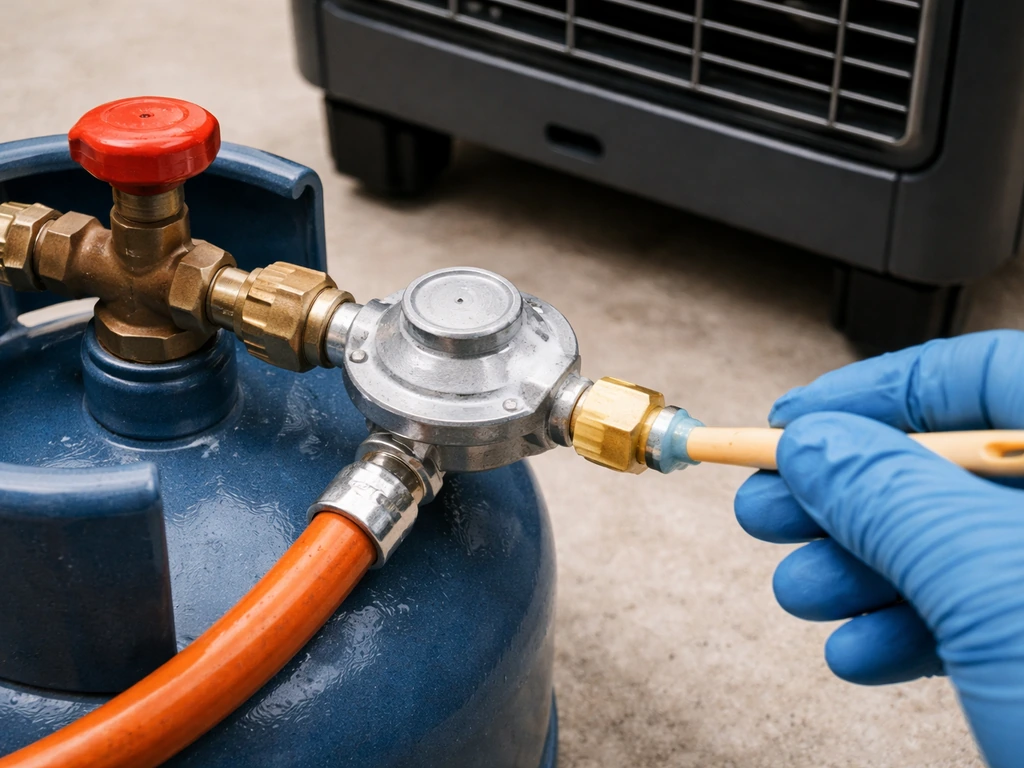
The Alva GHP manual includes a Leak Test procedure in its index, and this is not optional reading. You can use the Alva enders elegance patio heater manual to verify the correct model, regulator requirements, and the proper leak test steps before lighting. Every time you reconnect a regulator or hose, you must perform a leak test before lighting. The test is simple: with the cylinder valve open and the heater control knob in the off position, apply a soapy water solution (dish soap and water) to every connection point, the regulator-to-cylinder joint, the regulator-to-hose fitting, and the hose-to-heater connection. Watch for bubbles forming. Any bubbling means gas is escaping at that joint.
If you find a leak: close the cylinder valve immediately, disconnect from ignition sources, and ventilate the area. Do not attempt to tighten a leaking regulator connection while gas is flowing. Identify whether the leak is at the connection (retighten hand-tight and retest) or in the hose or regulator body itself. A leaking hose or regulator body is not repairable, replace the component before using the heater again.
Non-negotiable safety rules for Alva gas heaters
- Never use the heater indoors or in any enclosed space — these are outdoor, open-air appliances only
- Always use the correct 2.8 kPa SANS 1237 approved regulator — using an incorrect pressure regulator is a serious safety risk
- Never bypass or remove the tilt switch
- Keep the heater at least one metre away from combustible materials, awnings, and overhead structures
- Never leave a lit heater unattended
- Do not store gas cylinders indoors or in a closed garage
- If you smell gas and cannot immediately identify and stop the source, leave the area and call a gas technician
When to call a professional instead
Stop DIY and call a qualified gas technician if: you have a confirmed gas leak that persists after re-seating the connection, the gas valve assembly needs internal repair or full replacement (not just part swapping), you suspect a problem inside the burner manifold, or you smell gas anywhere near the heater even when it is fully off and the cylinder is closed. Parts swaps like the thermocouple, igniter, tilt switch, and glass tube are reasonable DIY territory with the right manual in hand. Internal valve work and anything involving the gas supply line to the regulator is not.
If you are working through patio heater manuals for other brands alongside your Alva research, the troubleshooting logic for thermocouple failures, tilt switch behavior, and ignition problems is broadly similar across brands, the specific part numbers and regulator specs differ, but the diagnostic sequence is the same. Getting comfortable with how your Alva manual is structured will make working with any other brand's documentation much easier. If you are trying to find the style selections gas patio heater manual, make sure you match the exact model and document version before troubleshooting or ordering parts.
FAQ
Where exactly should I look for the GHP model code if the sticker is missing or painted over?
Check the underside of the base plate, the inside edge of the access panel near the gas valve, and the rear of the reflector dome, then feel for a stamped plate under any coatings. If nothing is readable, take clear photos of the control knob layout and burner shape, then email Alva support your heater’s appearance plus your purchase date so they can match the generation.
Can I use the manual for a different GHP model if the symptoms seem the same?
No. Even within the same brand family, ignition layout, knob sequence, and regulator requirements can differ. Use the matching model PDF, otherwise you might follow the wrong lighting steps and risk flooding the burner with gas or misdiagnosing a thermocouple alignment issue.
What should I do first if the heater shows no spark but the cylinder has gas?
Confirm the battery type and condition for your specific ignition system, then replace the battery even if the compartment looks clean. After that, inspect for insect debris or spider webs in the pilot area, because blocked pilot passages can cause “no ignition” even when spark is present.
My burner lights briefly and then shuts off, what is the most likely cause?
Usually the thermocouple is not generating enough signal to keep the valve open, commonly due to misalignment, dirt on the tip, or the control knob not being held in long enough for the thermocouple to heat up. Verify the thermocouple sits in the pilot flame path per your model diagram (not “near” it).
How long should I hold the knob during lighting on battery auto-ignition models?
Typically you need to hold the control knob for about 30 to 45 seconds while the thermocouple warms. If it releases earlier, the heater will often shut down for safety even though the pilot initially appears lit.
The auto-shutoff keeps triggering, could it be because my heater is on an uneven surface?
Yes. Place the heater on a verified level, hard surface first, then retest. If it still shuts off on level ground, the tilt switch or its mounting location may be faulty, and the manual’s parts diagram will help confirm the exact component to replace (do not disable the safety switch).
Do I need to do a leak test every time I reconnect the regulator and hose?
Yes. Perform the soapy water leak test after every reconnection, even if the hose looks undamaged and you believe the seal is good. This catches issues like a partially seated regulator connection or debris that formed during storage.
What counts as a “confirmed leak” and when should I stop troubleshooting?
If bubbles form at any connection point during the leak test, treat it as an active leak. Stop, close the cylinder valve, ventilate, and do not attempt to tighten while gas is flowing. Call a qualified gas technician if the leak persists after re-seating, or if you suspect an internal gas valve or burner manifold issue.
Is it safe to tighten the regulator connection more if I suspect a leak?
Only if the cylinder is fully turned off first. If gas is escaping, close the cylinder immediately and only then carefully re-seat and retighten by hand, then repeat the leak test. Do not use tools on the regulator-to-cylinder connection when your manual specifies hand-tightening.
Can I clean the thermocouple or does it need replacement?
You can clean the tip and verify alignment, but do not bend or adjust it beyond what your manual diagram indicates. If cleaning and correct positioning still do not allow the heater to stay lit, replace the thermocouple using the exact model-specific part code from your manual.
What maintenance steps help prevent ignition and pilot problems next season?
Before storage, clear residual gas by running until the pilot goes out naturally, then disconnect the hose and regulator from the cylinder. Clean the burner area to remove debris and insect nests, store upright in a dry place, and cap or secure the regulator end if your manual advises it to prevent spider webs inside the pilot path.
If my regulator freezes or seems sluggish in cold weather, what should I check before concluding the valve is bad?
Check cylinder pressure and hose routing first, then inspect the regulator for proper connection and any ice buildup. Low temperature and a near-empty cylinder can reduce pressure enough to cause unreliable flow, so confirm the cylinder is not close to empty before assuming the gas valve assembly has failed.
Which parts can I replace myself, and which should be left to a professional?
DIY replacement is generally reasonable for items like the battery/igniter, thermocouple, tilt switch, and external burner components if your manual lists them. Leave internal gas valve work, anything involving the gas supply line to the regulator, and burner manifold internal issues to a qualified gas technician.