Gas patio heaters are not banned outright in most of the US or UK. Yes, but many people also ask can you cook with patio gas, so it helps to understand the specific rules and safe practices for using that fuel indoors and outdoors gas patio heaters. There is no single national law that makes them illegal. What you are actually dealing with is a patchwork of local fire codes, zoning rules, permit requirements, HOA policies, and distance-to-structure clearances that can make your specific heater, in your specific location, non-compliant. That is a very different thing from "banned", and the distinction matters, because most restrictions are fixable.
Are Gas Patio Heaters Banned? Legality Checks and Steps

Grant Mercer
6 Jul 2026
"Banned" vs. Restricted: What the Words Actually Mean
When someone tells you gas patio heaters are banned, they almost always mean one of two things: either a specific local ordinance has restricted use in certain contexts (high-fire-risk zones, dense urban areas, or specific property types), or a property-level rule (a landlord lease, HOA bylaw, or condo association policy) says no. Neither of those is the same as a universal legal ban.
In the US, the NFPA, the body behind the fire codes that most cities and counties adopt, does not prohibit outdoor gas heaters. It regulates how they must be used: clearances, placement, and conditions.
In the UK, there is no national ban either. Even in Smoke Control Areas, the rules focus on fuel type and emissions from certain appliances, not a blanket prohibition on gas heating outdoors. In Smoke Control Areas, the GOV. UK rules say the focus is on the fuel type and emissions from certain appliances, such as allowing outdoor barbecues, chimineas, fireplaces, or pizza ovens [rules focus on fuel type and emissions from certain appliances](https://www.
gov. uk/smoke-control-area-rules).
So when you search "are gas patio heaters banned" and find alarming headlines, dig one level deeper. You will usually find the story is about a proposal that did not pass, a rule that applies to commercial venues only, or a fire-season restriction that is temporary. That said, there are real restrictions that you genuinely need to check before firing up a heater, and I will walk you through exactly how to do that.
Where the Rules Actually Come From
Fire codes and local ordinances
In the US, most municipalities adopt the blank" rel="noopener noreferrer">NFPA 1 Fire Code or the International Fire Code (IFC), then add their own amendments on top. NFPA 1, for example, requires outdoor heaters used in assembly occupancies (think restaurant patios and venues) to be positioned at least 5 feet away from any doorway, opening, or combustible material. Your city may have tightened that clearance, or added permit requirements for fixed installations, or restricted use during declared fire danger periods.
None of that is a ban, it is a set of conditions you need to meet. The local fire marshal or building department is the authority that enforces this, and they are also your best resource for finding out exactly what applies to your address.
HOAs, landlords, and condo associations
Property-level rules are separate from municipal codes entirely, and they can be stricter. An HOA can prohibit propane cylinders on balconies even if the city allows it. A landlord can write "no open flame appliances" into a lease. These are contractual restrictions, not laws, but violating them can still get your heater confiscated or lead to lease termination. Check your lease, your HOA CC&Rs (Covenants, Conditions, and Restrictions), or your condo board's rules before you assume your city's code is all you need to follow.
Utility provider conditions
If you have a natural gas line running to a fixed patio heater, your gas utility may have conditions of service that require the installation to be permitted and inspected. Using unapproved gas appliances on a utility line can technically void your service agreement and, more importantly, puts you at real safety risk. This is less about legality and more about liability and insurance, but it belongs in the same checklist. If you are wondering whether patio gas can be used on a BBQ, it is important to confirm the BBQ’s fuel compatibility and follow the same clearance and safety rules can patio gas be used on bbq.
How to Check Your Specific Situation Today
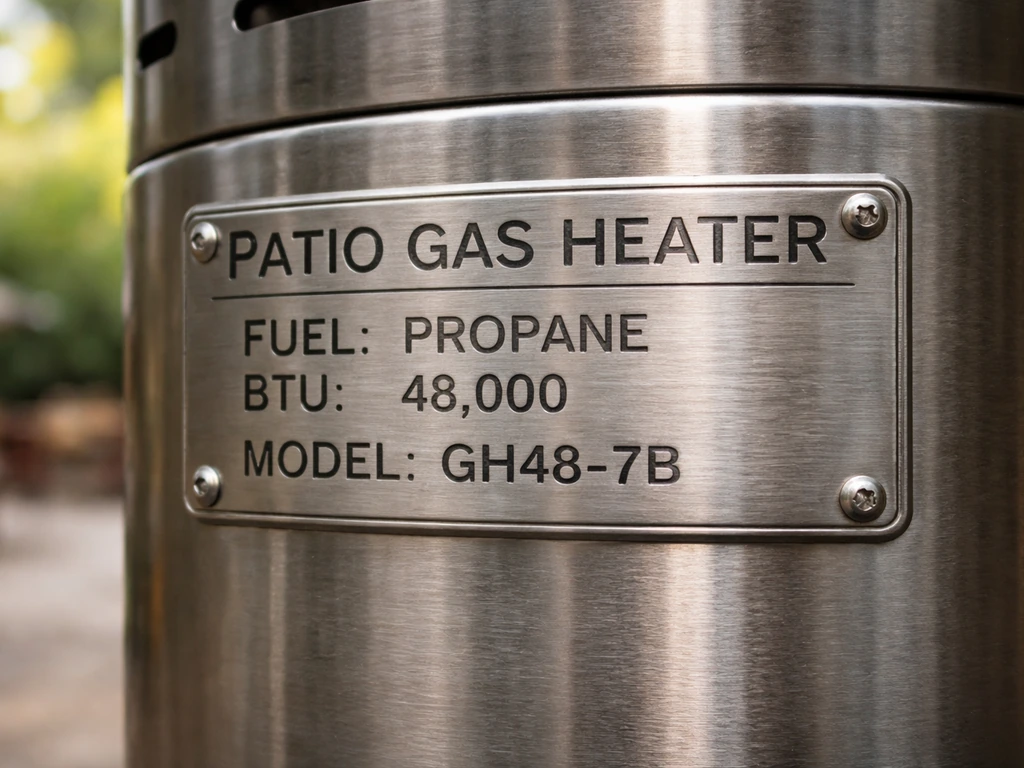
Before you make a single call, get the following information together about your heater. It will make every conversation faster and more productive.
- Heater model and BTU rating (check the label on the heater body or the manual)
- Fuel type: propane (portable cylinder), natural gas (hard-piped), or butane
- Whether it is portable (freestanding) or fixed (permanently mounted or piped)
- Where you plan to use it: open backyard, covered patio, balcony, apartment deck
- Whether you are renting, own outright, or live in an HOA-governed property
- Search your city or county's municipal code online. Most US cities publish their code on Municode or American Legal Publishing. Search for terms like "outdoor heater," "patio heater," "propane," or "open flame." Look for Chapter sections tied to fire safety or zoning.
- Call or email your local fire marshal's office. This is the single most useful contact for anything fire-code related. Give them your heater's BTU rating, fuel type, and intended placement. Ask specifically whether a permit is required for your setup.
- Check with your building department if the heater is fixed or permanently connected to a gas line. Hard-piped natural gas heaters almost always require a permit and inspection.
- If you rent or live in an HOA, read your lease or CC&Rs first, then contact your landlord or HOA management in writing. Written confirmation protects you.
- In the UK, check your local council's website for Smoke Control Area designations and any supplementary planning conditions if you live in a conservation area or listed building. Contact your local council's environmental health team if you are unsure.
- Document everything. If a fire marshal or building official tells you verbally that your setup is fine, follow up with an email summarizing what they said and ask for written confirmation or a permit if applicable.
Common Scenarios That Make It Feel Like a Ban
Most of the time, when someone discovers their gas patio heater is "not allowed," it is one of a handful of specific situations rather than a broad prohibition. If you are trying to understand what happened to patio tv dinners, you can think of it the same way as these gas heater scenarios: what feels like a blanket ban usually turns out to be specific rules or conditions. Here are the ones I see come up most often.
| Scenario | What Is Actually Happening | Usually Fixable? |
|---|---|---|
| Fixed heater installed without a permit | Building/fire code requires permit for any hard-piped gas appliance; unpermitted work is the violation, not the heater itself | Yes — apply for a retroactive permit or pull a new one before next use |
| Heater too close to the house, fence, or overhang | Clearance requirements (often 3 to 5 ft minimum from combustibles) are not met; the heater placement is the problem | Yes — reposition the heater to meet required clearances |
| Propane cylinder on an apartment balcony | Many building codes and landlord policies prohibit storing propane cylinders on elevated balconies due to fire spread risk | Sometimes — electric alternatives may be the only real option here |
| High fire danger season restriction | Temporary local ordinances during wildfire risk periods restrict open flame and gas appliances outdoors | Yes — wait for the restriction to lift or get an exemption |
| HOA or lease prohibition | A contractual rule, not a law; applies only to your specific property | Sometimes — you can request an exception in writing or negotiate |
| Operating in a covered or semi-enclosed space | Fire codes restrict gas heaters in spaces without adequate ventilation; carbon monoxide risk is the driver | Yes — move to an open-air location or switch to electric |
The carbon monoxide issue in that last row is worth taking seriously on its own. Gas patio heaters are designed for outdoor use, and using them in any enclosed or semi-enclosed space is genuinely dangerous regardless of what the code says. If you want to understand the CO risk in more detail, it connects directly to questions about safe gas heater operation generally. A related question is whether your patio heater uses propane or butane, since that affects how it behaves and what you should store and operate safely patio gas propane or butane.
If Your Heater Is Not Allowed: Real Alternatives
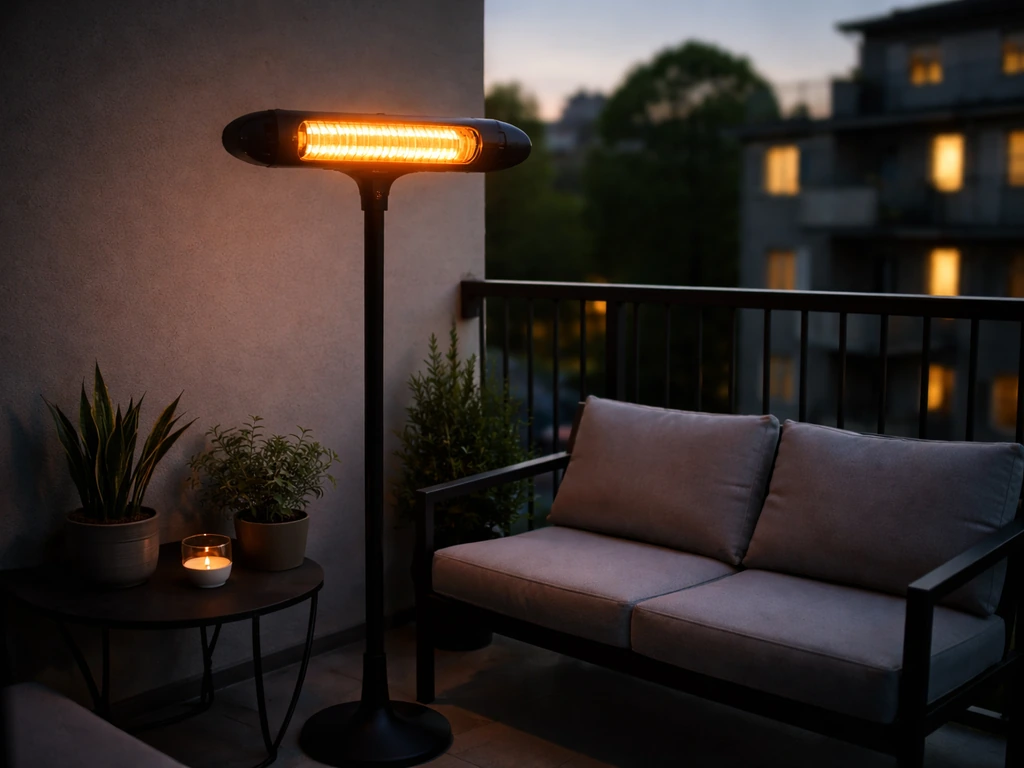
If you have gone through the checklist and confirmed your gas heater genuinely cannot be used in your situation, you have several practical paths forward. In many areas, questions like whether do pellet patio heaters smoke come down to local fuel and emissions rules rather than a simple yes or no ban gas heater. None of them require you to freeze on the patio.
Electric patio heaters
Electric infrared heaters are the most commonly accepted alternative in situations where gas is restricted, especially on balconies and in fire-risk zones. They have no open flame, no stored fuel cylinder, and no combustion emissions. Most HOAs and landlords that prohibit gas appliances will permit a plug-in electric heater. The tradeoff is heat output: a typical electric patio heater runs between 1,500 and 3,000 watts, which covers a smaller area than a 40,000 BTU propane tower.
For many people, the main cost question is why patio gas can cost more than propane or other fuel options, so it is worth comparing total heating costs why patio gas more expensive than propane. For a compact balcony or covered patio, though, they are genuinely effective.
Getting a compliant gas installation
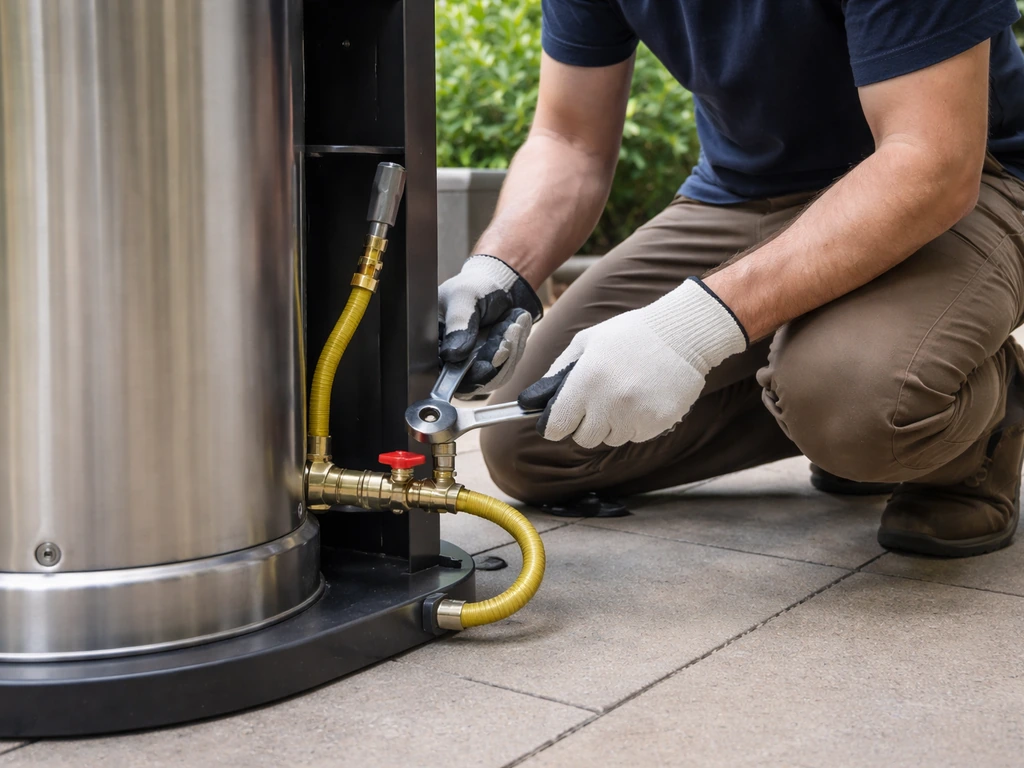
If the issue is a missing permit or a placement problem rather than a total prohibition, the fix is a compliant installation, not a different heater. Hire a licensed gas fitter or plumber (depending on your local requirements) to properly install and permit a fixed natural gas heater, and reposition it to meet all clearance requirements. This is the right path if you own your home, want a permanent setup, and the local code allows gas heaters with proper permits.
Propane vs. natural gas: does fuel type change your options?
In some restricted situations, the fuel type matters. Portable propane heaters often trigger rules about cylinder storage more than rules about the heater itself, particularly in multi-unit buildings where propane storage indoors or on balconies is restricted. A natural gas connection to a fixed heater eliminates the stored-cylinder issue, though it adds the permit requirement. If you are already curious about the differences between propane and other patio gas types, that is a related topic worth understanding before you choose a new setup.
Safety Basics Once You Confirm Your Heater Is Legal to Use
Confirming legality and confirming safety are not the same thing. A heater that is legally permitted can still injure you if it is poorly maintained or has a faulty component. Here is what to check before and during every use. Also check for carbon monoxide safety by ensuring the heater vents correctly and is used outdoors according to the manufacturer’s instructions faulty component.
Before you light it
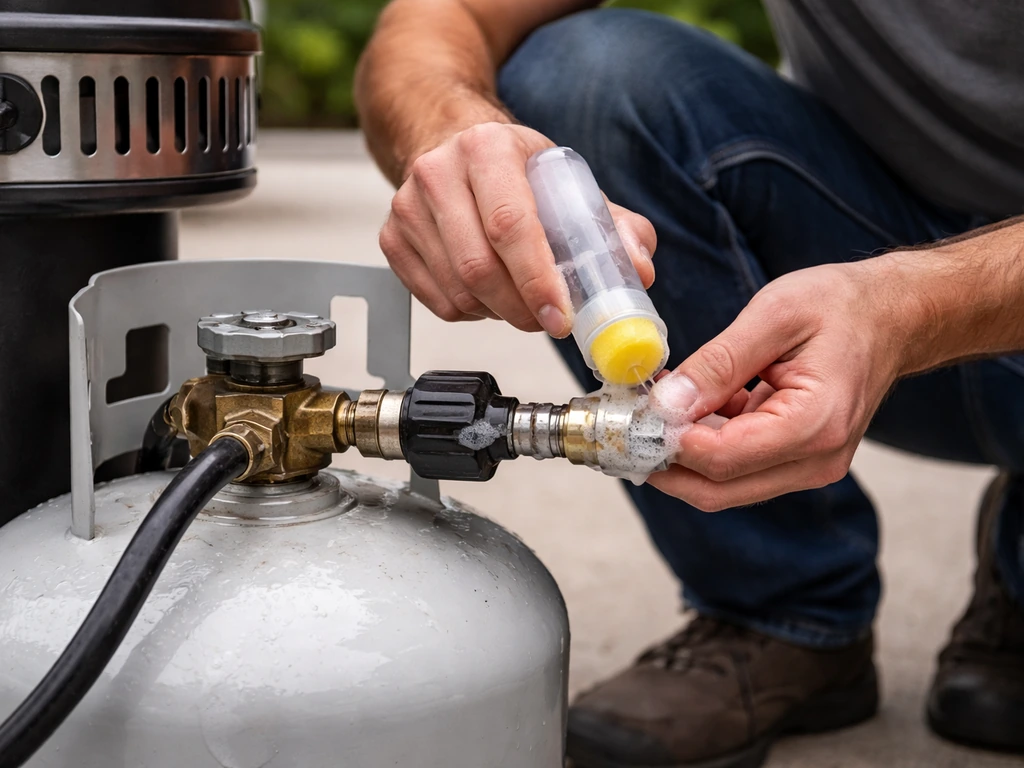
- Check all gas connections with soapy water: apply the solution to the regulator, hose, and cylinder valve, then open the gas. Bubbles mean a leak. Do not light the heater until you find and fix the source.
- Inspect the hose for cracks, kinks, or scorch marks. Replace any hose that shows physical damage — do not patch it.
- Make sure the tilt switch (the safety cutoff on freestanding heaters) is functioning. Tip the heater slightly and verify the gas shuts off. If it does not, do not use the heater until the tilt switch is replaced.
- Check that the burner head and emitter screen are free of debris, spider webs, and insect nests. A blocked burner is one of the most common causes of ignition failure and erratic flame behavior.
- Confirm clearances every time: the heater should be on a stable, level surface with at least 3 feet of clearance from walls, fences, overhangs, and furniture.
Ignition problems and what they usually mean
If the heater clicks but does not light, or lights and then shuts off within a few seconds, the thermocouple is the first thing to check. The thermocouple is a small safety sensor that sits in the pilot flame. It generates a tiny voltage that tells the gas valve it is safe to stay open. If the thermocouple is dirty, misaligned, or worn out, the gas valve closes even if the pilot is lit, and the heater shuts down.
Clean the thermocouple tip gently with fine steel wool, make sure it sits directly in the pilot flame, and test again. If it still shuts off after 30 to 45 seconds, the thermocouple likely needs replacing. That is a straightforward DIY job on most heater models and one of the most common repairs on this type of appliance.
If you smell gas
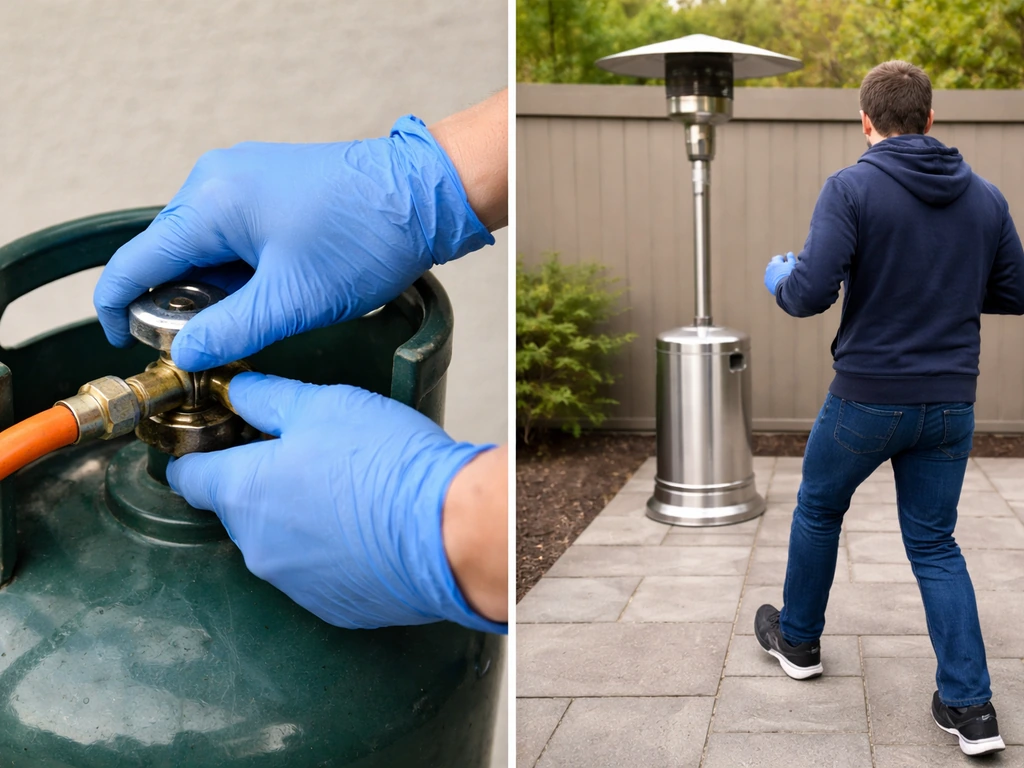
Treat a gas smell as an emergency every time. Close the cylinder valve immediately, move away from the heater, and do not operate any electrical switches nearby. Once you are clear, check connections with soapy water to locate the leak. Do not attempt to relight the heater until you have found the source, fixed it, and verified there is no more leak. If you smell gas and cannot identify the source, do not use the heater again until it has been inspected by a qualified technician. This is one of those situations where calling a professional is the right call, not a sign that you failed at DIY.
FAQ
How can I tell if my area has a specific restriction instead of a true ban?
Look for “time, place, and manner” limits in your local fire code or fire-rescue bulletins, for example restrictions during declared fire danger, limits for assembly occupancies, or required minimum clearances. If you only find headlines, call your city or county fire marshal and ask what section applies to “outdoor gas-fired patio heaters” at your address.
Does “outdoor use” still mean it is allowed on a covered patio or under an awning?
Often it is not as simple as “outdoors.” Semi-enclosed spaces can be treated like sheltered areas with higher CO risk, and some manufacturers require fully open air with specific ventilation clearance. If there is any roof overhang, side walls, or a wind block, confirm both the code clearance requirements and the manufacturer’s ventilation instructions before use.
Are gas patio heaters allowed near doors, windows, or vents?
Many rules are clearance-based, not “allowed vs banned.” Your local code or ordinance may require a minimum distance from doorways and any combustible surface, and you should also keep clear of air intakes, dryer vents, and exhaust fans because those can move combustion products toward occupied areas.
What’s the difference between rules for propane heaters and natural gas fixed heaters?
Propane rules often focus on cylinder storage and where cylinders can be placed (especially on balconies or in multi-unit buildings). Natural gas fixed heaters tend to shift the issue to permitting, inspection, and proper gas line connection. Even when both are “allowed,” the compliance checklist can be very different.
Do HOA or landlords only care about permits, or can they restrict heaters even if the city allows them?
They can restrict them contractually. Many HOAs prohibit open flame appliances, propane cylinders on balconies, or any fuel-burning device regardless of municipal fire code. Check your lease and HOA CC&Rs for wording like “open flame,” “flammable fuel,” “cylinders,” or “gas appliances,” not just whether the city permits the heater.
Can I use a gas patio heater inside for a short time if the door is open?
No, if it is indoors or semi-enclosed it can still create dangerous carbon monoxide exposure. A door cracked open is not the same as adequate outdoor ventilation. Treat it as outdoor-only and follow the manufacturer’s instruction for maximum enclosure type allowed.
What should I do if my heater lights but shuts off after a few seconds?
Check the thermocouple first. It must sit directly in the pilot flame and stay clean. If the heater still shuts down after repeated attempts and cleaning, the thermocouple likely needs replacement, and you should stop using it until repaired rather than bypassing safety controls.
Is it safe to relight a heater if I smell gas after a shutoff?
No. Close the cylinder valve or gas supply, move away, and do not operate nearby electrical switches. After that, locate the leak with soapy water and only relight after the source is fixed and verified. If you cannot find the leak quickly, have it inspected before using again.
If I have a natural gas line, do I still need a permit even for a “fixed” patio heater?
In many places, yes. Utility-approved installations commonly require a permit and inspection, because the work is part of the gas distribution system. Even if you own the property, unapproved connection can affect service, liability, and insurance if there is an incident.
What documentation should I gather before calling the fire marshal or building department?
Have the heater’s model number, BTU rating, fuel type (natural gas versus propane/butane), whether it is portable or fixed, and a simple location description (distance to doors and combustibles, balcony or open patio type). If you know it, bring any manufacturer manual and your planned placement so the official can confirm the exact clearance requirements.