The Westinghouse 1500W freestanding patio heater is an electric infrared unit, not a gas heater, and that distinction matters a lot when you're hunting for the right manual. If you need the exact westinghouse wes31 15110 1500w freestanding patio heater manual, confirm the model number on your label first so you download the correct PDF for your controls. The most common model is the blank" rel="noopener noreferrer">WES31-1588, but Westinghouse has sold at least three other 1500W freestanding electric variants (WES31-1540, WES31-15110BLK, and others), each with its own manual and slightly different controls. Before you start troubleshooting, you need to confirm your exact model number from the label, then match it to the correct PDF. This guide walks you through exactly that, then covers assembly, first startup, and every common failure point these heaters are known for.
Westinghouse 1500W Freestanding Patio Heater Manual Guide

How to confirm you have the right Westinghouse 1500W model
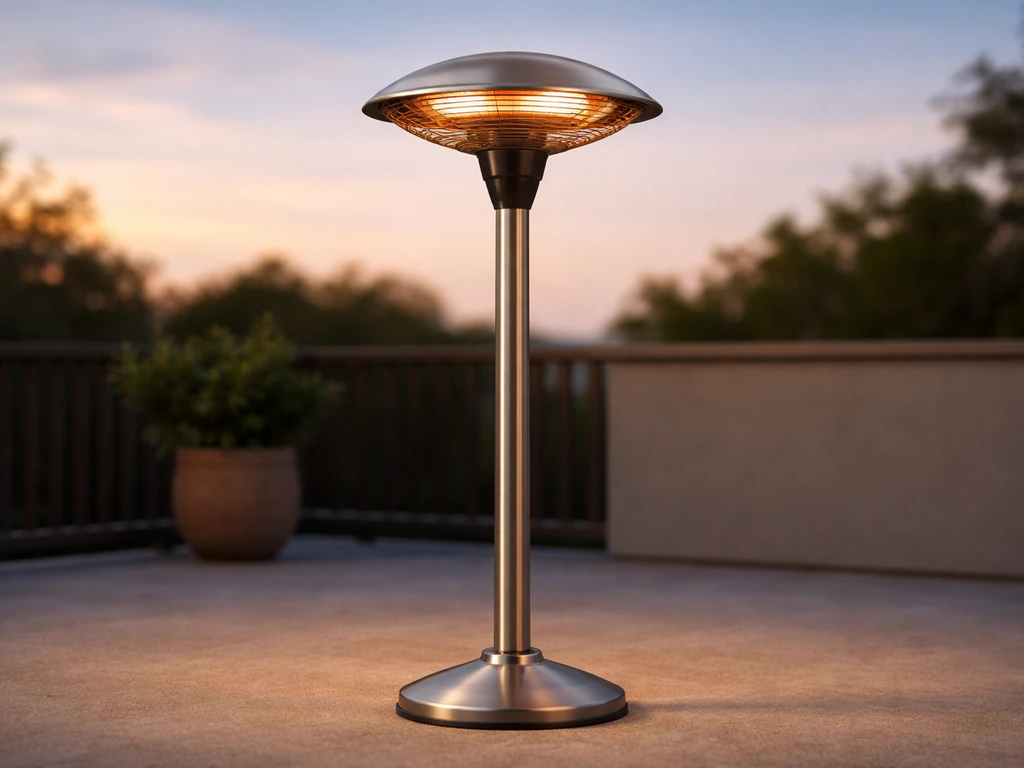
Westinghouse has released multiple freestanding 1500W electric patio heaters that look nearly identical from a few feet away. The WES31-1588 and WES31-1540 both run at 1500W and both have LED ambient lighting, but their control layouts differ: the WES31-1588 has a single On/Off button for heat on the right side and a separate LED button on the left, while the WES31-1540 has three heat settings (600W, 900W, and 1500W) plus LED controls. Using the wrong manual means wrong wiring diagrams, wrong assembly steps, and wrong troubleshooting paths.
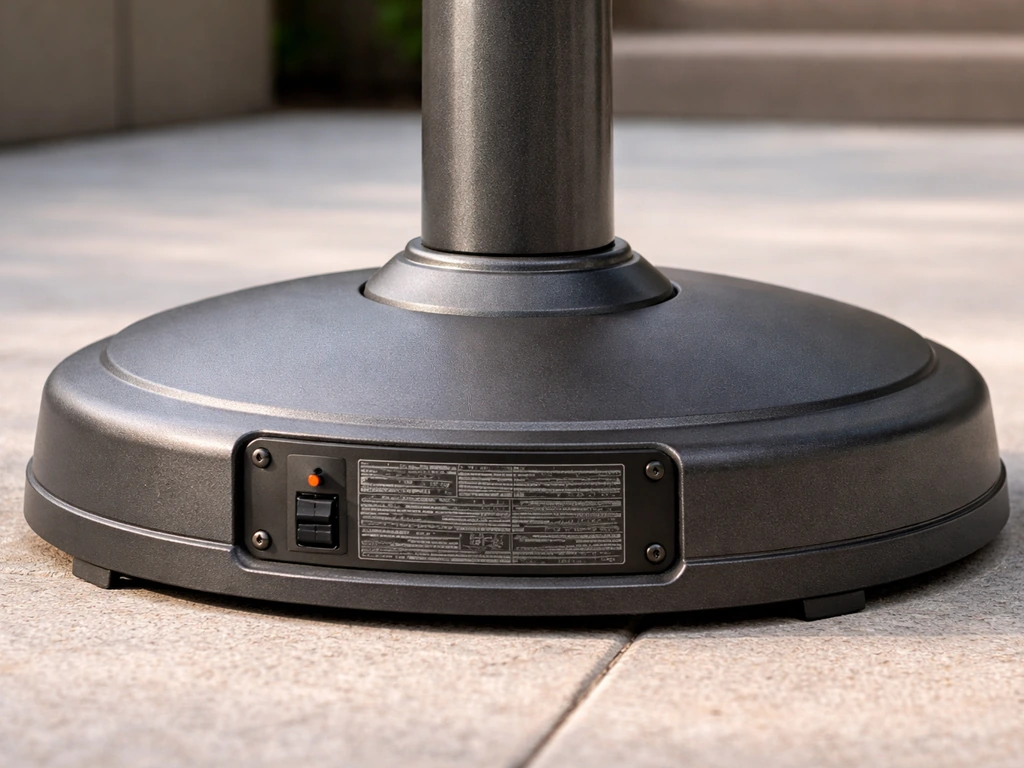
To confirm your model, tip the heater carefully and look at the base or the back of the heating element housing. There should be a silver or white label with the model number (e.g., WES31-1588), voltage rating (120V/60Hz), and wattage (1500W). Write this down before you do anything else. If the label is faded, you can sometimes find the model number printed on the original box, on your purchase receipt, or embedded in the product URL if you bought it online.
All Westinghouse 1500W freestanding heaters in this family are electric infrared units rated at 120V/60Hz with zero carbon monoxide emissions. If you have a propane or natural gas heater, you are looking at a completely different product and a different manual. The electric models are completely silent when running, which is a quick sanity check: if yours makes any burner or ignition clicking sounds, you have a gas unit, not one of these.
Where to find the correct manual and how to match it
The safest place to start is Westinghouse's own support site and the major manual repositories. For exact steps, diagrams, and model-matching instructions, use the [Westinghouse 1500W freestanding electric patio heater manual](/westinghouse-1500w-freestanding-electric-patio-heater-manual) for your specific model number. Here is exactly where to look and how to verify you have the right version once you find it.
- Search Westinghouse's official product support page (westinghouse.com) using your full model number (e.g., WES31-1588). The product page for the WES31-1588 links directly to its 8-page instruction manual PDF titled 'Instruction Manual / Guide d'utilisation.'
- If the official page is down or the link is broken, try ManualsLib.com or Manualzz.com and search for your exact model number. Both sites host verified scans of Westinghouse patio heater manuals including the WES31-1588, WES31-1540, and WES31-15110BLK.
- Once you open a PDF, confirm it is the right manual by checking three things on the cover or first page: the model number matches yours exactly, the voltage reads 120V/60Hz, and the wattage reads 1500W.
- If the manual lists three heat settings, it is for the WES31-1540 or a similar multi-setting variant. If it shows only a single On/Off heat button, it is for the WES31-1588 or the WES31-15110BLK family.
- Save or print the correct PDF before you start any work. Westinghouse product pages sometimes change or manuals get re-hosted, so having a local copy matters.
If your model number starts with WES31-15110, check out the guide on the Westinghouse WES31-15110 1500W freestanding patio heater, as that variant has its own manual with some differences in assembly and controls. A Manualzz listing describes the “Westinghouse WES31-15110BLK 1500-Watt Infrared Electric Freestanding Outdoor Heater” as a separate 1500W freestanding electric variant, implying different model numbers and likely different manual content. Similarly, if you have a general Westinghouse electric patio heater without a clear model number, the broader Westinghouse electric patio heater manual guide covers the full model family identification process in more detail.
Assembly, setup, and your first safe startup
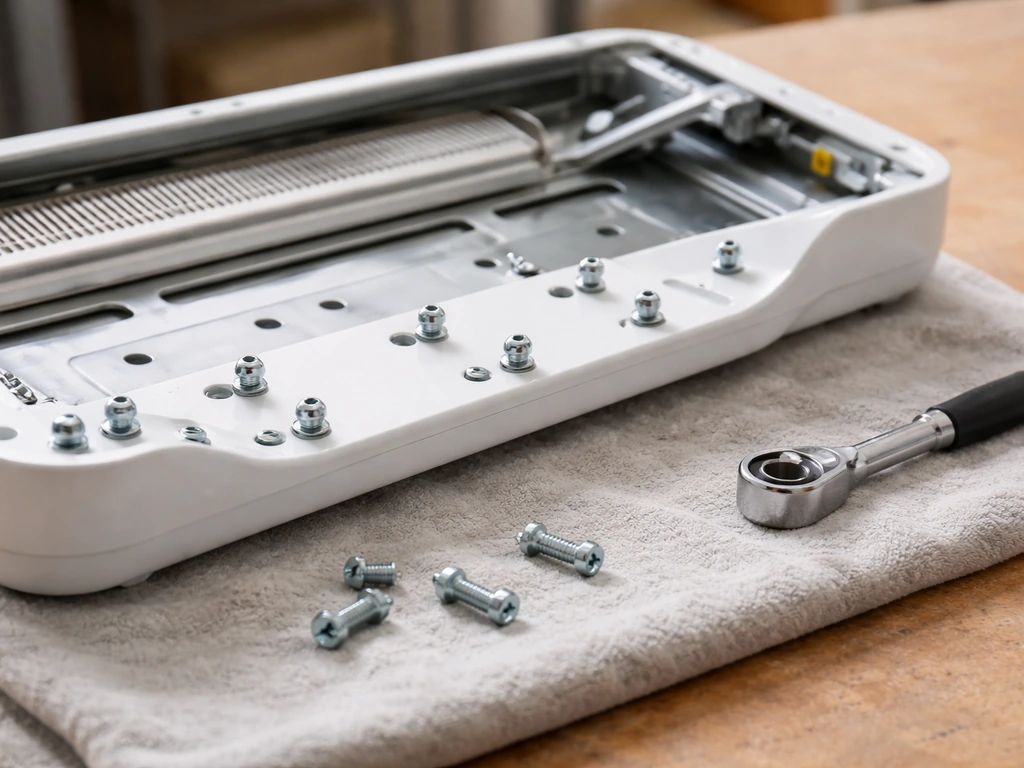
The WES31-1588 manual is explicit about one thing: do not plug this heater in until it is completely assembled. That warning applies to every model in this family. Running a partially assembled infrared heater is a burn and electrical hazard, so follow the steps in order.
Assembly steps (based on the WES31-1588 manual)
- Lay the heater upside down on a clean, flat surface (a piece of cardboard protects the finish).
- Place the base cover over the base opening.
- Insert three M6x25mm screws through the holding plate into the base. The Allen key (hex wrench) is included in the box. Tighten all three screws evenly until snug but not over-torqued.
- Turn the heater right side up and confirm it sits flat and stable. Rock it gently. If it wobbles, one of the base screws is loose or the base plate is not seated correctly.
- Inspect the heating element housing, power cord, and plug for any visible damage before proceeding. If anything looks cracked, burnt, or broken, do not plug it in.
- Position the heater on a hard, flat, outdoor surface. Keep combustible materials (furniture cushions, plants, awning fabric) at least 3 feet (0.9 meters) from the front of the heater.
- Plug the heater into a standard grounded 120V outlet. Do not use an adapter. If you need an extension cord, it must have a grounding plug and be rated for outdoor use at 1500W or higher (a 14-gauge or heavier cord is appropriate for this load).
First startup check
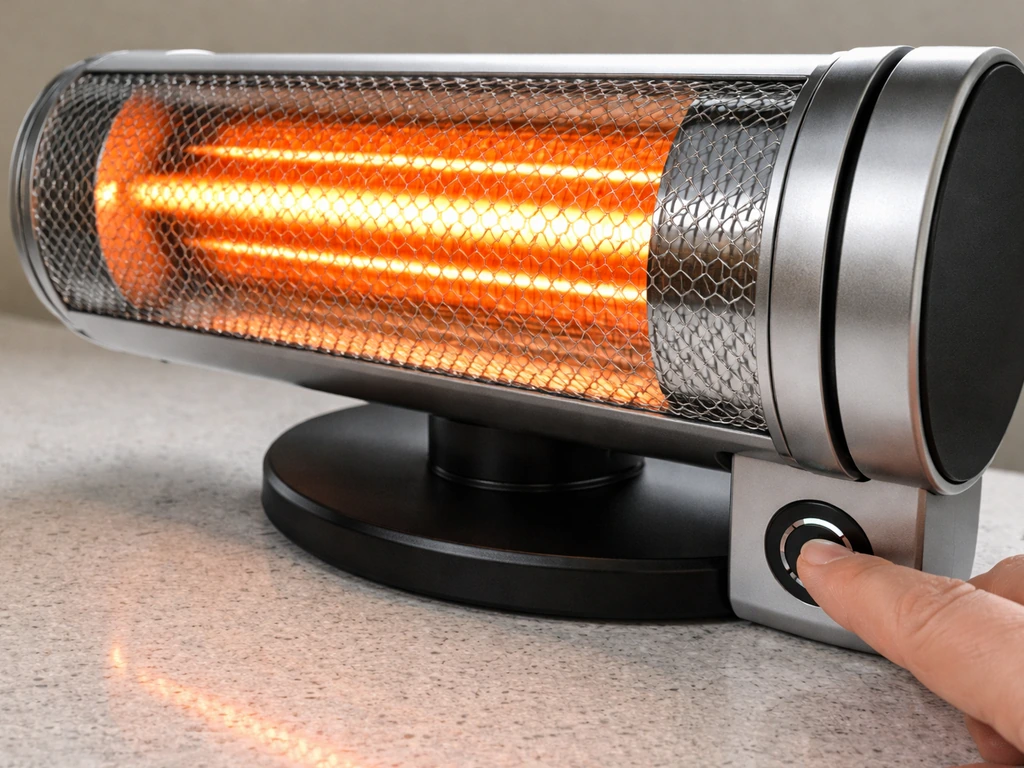
Once plugged in, press the On/Off button on the right side of the heater. You should see the infrared heating element glow orange-red within a few seconds and feel radiant heat in front of the unit almost immediately. On the WES31-1588, the left button controls the LED ambient/flame lighting, which is separate from the heat function. If you have a multi-setting model like the WES31-1540, cycle through the three heat settings (600W, 900W, 1500W) and confirm each level produces progressively more heat. The heater should be completely silent other than very faint thermal expansion sounds from the element housing warming up.
Troubleshooting: heater won't turn on or produces no heat
These are electric heaters with no ignition system in the traditional sense. 'Won't ignite' for these units simply means the heating element is not energizing. Work through these checks in order before assuming the element itself has failed.
- Check the outlet first. Plug a phone charger or lamp into the same outlet to confirm it has power. Many outdoor outlets are on GFCI circuits that trip without warning.
- Reset any GFCI outlet or breaker. Look for a GFCI outlet near the heater or at your main panel. Press the 'Reset' button firmly on the GFCI and try the heater again.
- Check that the heater is sitting perfectly upright on a flat surface. The tip-over safety switch (covered in detail below) will prevent the heater from turning on at all if it senses any tilt.
- Inspect the power cord and plug for damage. A frayed cord or bent plug prong can break the circuit. Do not use a damaged cord.
- If you have a multi-setting model, cycle through all heat settings. Sometimes a single setting's circuit fails while others work.
- If the heating element glows but produces almost no warmth, the element may be partially failed or heavily soiled. With the heater off and unplugged, inspect the element surface for dust buildup or visible damage.
If none of the above resolves it, the issue is likely an internal component failure (the element itself, a thermal fuse, or the control board). These are not straightforward DIY repairs on this type of heater. At that point, contact Westinghouse support (number in the next section) or treat the heater as a warranty claim if it is still within the warranty period.
Troubleshooting: heater turns on but shuts off shortly after
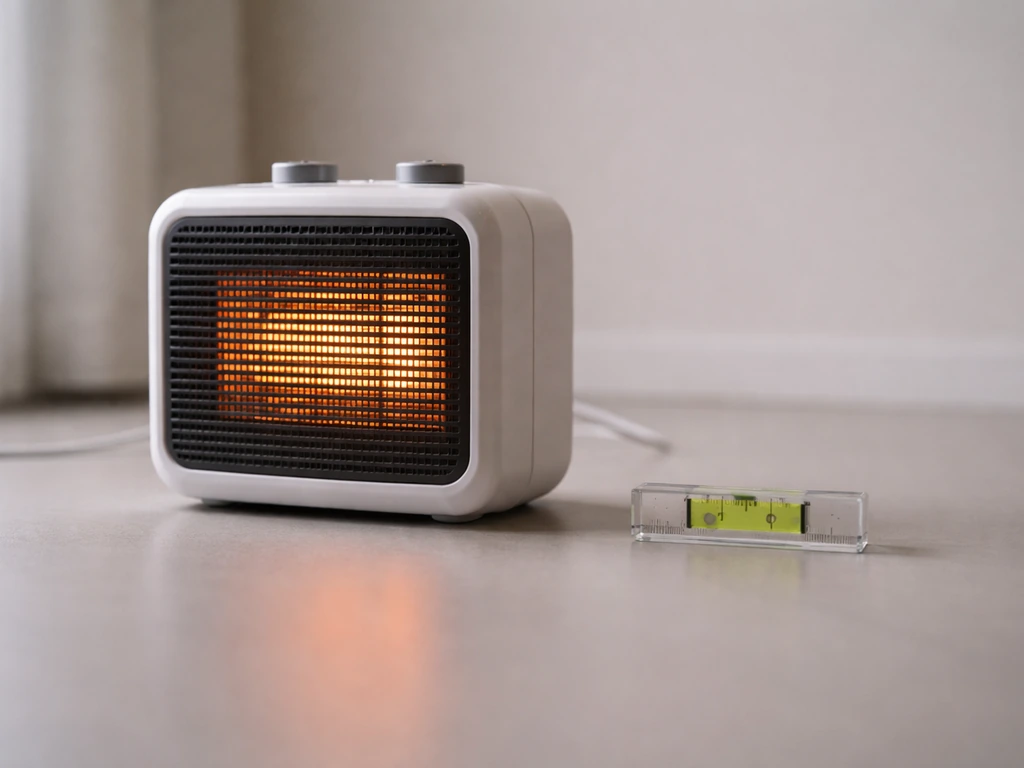
This is the most common complaint with these heaters and it almost always comes down to one of two things: the tip-over switch triggering incorrectly, or the heater overheating due to blocked airflow or a thermal protection fault. Unlike gas patio heaters where 'won't stay lit' points directly to a thermocouple, electric infrared heaters do not have a thermocouple. The equivalent component here is a thermal cutoff fuse or overheat protection sensor.
- Confirm the heater is on a perfectly flat, stable surface. Even a slight lean can engage the tilt switch and shut the unit off. Move it to a different surface if needed.
- Check whether the heater restarts after it shuts off. If it restarts fine but shuts off again after a few minutes, that points to overheat protection activating. Make sure nothing is blocking the air vents on the back or sides of the housing.
- Let the heater cool completely (at least 15-20 minutes), then try again. If it runs fine when cool but cuts out under load, the thermal cutoff is likely doing its job because of restricted airflow or a failing element drawing too much current.
- Check the power circuit. A 1500W heater draws about 12.5 amps on a 120V circuit. If it is on a circuit shared with other high-draw appliances, the breaker may be tripping. Put the heater on a dedicated circuit if possible.
- Inspect the power cord for heat discoloration near the plug or heater connection. A loose or corroded connection creates resistance, which causes heat buildup and can trigger protection circuits.
Troubleshooting: tip-over switch and safety interlock issues
The WES31-1588 manual specifically describes the built-in tip-over mechanism: if the unit tilts too much or drops, it automatically deactivates. Once it is back on a flat surface, it reactivates. This is a passive safety switch, meaning it requires no manual reset under normal conditions. But it can cause confusing behavior if the heater is on an uneven surface or if the switch itself is faulty.
- Test the surface. Place a small level on top of the heater base. If the bubble is more than a few millimeters off center, the switch may interpret that as a tilt condition. Move the heater to a flat concrete pad or deck and test again.
- Check whether the heater works at all when held perfectly vertical by hand (with the cord plugged in and while keeping your hands away from the element). If it fires up and heats normally when held straight but not when placed on the ground, the issue is definitely the surface or a misaligned base.
- Inspect the base assembly screws. A loose base can allow the heater pole to shift slightly, creating a chronic tilt that engages the switch. Re-tighten the three M6x25mm base screws with the Allen key.
- If the heater still will not activate on a flat surface after verifying all of the above, the tilt switch itself may be stuck or failed in the open position. This requires accessing the internal switch, which means opening the base housing. On these models, the switch is usually a small mercury or ball-bearing type switch connected inline with the power supply. Test it with a multimeter set to continuity mode: with the heater upright, the switch should show continuity (closed circuit). If it shows no continuity when upright, the switch has failed and needs replacement.
- Replacement tilt switches for these heater types are generic components available at hardware stores and online. Match the voltage/current rating from the original switch label before buying.
Safety rules for working on and using this heater
These are electric appliances running at 1500W on 120V, which means the current draw is high enough to be genuinely dangerous and the element surface gets hot enough to cause serious burns. Take these precautions seriously, not as a formality.
| Do this | Never do this |
|---|---|
| Always unplug before opening any housing or touching internal components | Open the heater while it is plugged in, even if the power button is off |
| Let the heater cool for at least 20 minutes before handling or inspecting the element | Touch the heating element or metal reflector housing after recent use |
| Use only a grounded 120V outlet with no adapter | Use a two-prong adapter or ungrounded extension cord |
| Keep combustibles at least 3 feet (0.9 m) from the front of the heater | Use the heater under a low awning, inside a tent, or in any enclosed space |
| Inspect cord and plug before every use | Use the heater if the cord shows cracks, burns, or fraying |
| Place the heater on a hard, flat, stable surface | Place the heater on grass, carpet, or any soft unstable surface |
| Store the heater indoors or under a weatherproof cover when not in use | Leave the heater plugged in and unattended for extended periods |
One thing worth calling out specifically: this heater is rated 'cSGSus electrically certified,' which means it has passed safety certification testing. That certification is only valid when the heater is used as designed with the original components intact. Substituting non-rated extension cords, bypassing the tilt switch, or modifying the wiring voids both the certification and your warranty, and creates a real fire hazard.
When the manual and troubleshooting still don't fix it
If you have worked through every step above and the heater still is not functioning correctly, it is time to contact Westinghouse directly. The customer service number listed in the WES31-1588 manual is 1-866-967-7333, extension 227, available Monday through Friday, 9am to 5pm EST. Before you call, have the following ready: your model number (from the label), the serial number (also on the label), your proof of purchase, and a clear description of the symptom (what the heater does and does not do). They will tell you whether the unit qualifies for a warranty repair or replacement.
If the heater is out of warranty and the repair involves internal electrical components beyond the tilt switch (the heating element, thermal fuse, control board, or wiring harness), honestly weigh the cost of repair against the cost of a replacement unit. A new element or control board for a heater in this price range can cost nearly as much as a new unit. That is a fair question to ask the support team directly: 'Is a repair kit available and what does it cost?' They can give you a straight answer.
If you are unsure whether you have a WES31-1588 or one of the other variants in this family, the guide covering the Westinghouse 1500W freestanding electric patio heater manual goes into more depth on distinguishing between models when the label is missing or unreadable. And if yours turns out to be a Paramount-branded heater (sometimes sold alongside Westinghouse units through the same retailers), that is a completely separate product line with its own manual and parts.
FAQ
My heater label is faded or missing, how can I be sure I’m using the right westinghouse 1500W freestanding patio heater manual?
If the model label is unreadable, do not guess from appearance. First, check the base/back for any remaining characters, then look for the model in the original box labeling or your order confirmation. If you still cannot confirm it, use the broader “electric patio heater manual” model-identification guide mentioned in the article, because the control layout (single On/Off versus multi-heat buttons) changes by model.
It turns off by itself, what should I check besides a failed heating element?
Yes, uneven placement can make the tip-over safety deactivate. Set the heater on a firm, level surface, then power it off and back on. If it keeps shutting down only on certain surfaces (deck boards, mats, slopes), the tilt mechanism may be mis-triggering or sticking.
Can I use an extension cord with this 1500W westinghouse patio heater?
Use only a properly rated grounded outlet and the heater’s intended power cord, do not rely on extension cords. If you must use an alternate cord arrangement, it must be manufacturer-approved and correctly sized for a 1500W electric load. Otherwise, you can compromise certification and increase heat buildup at the connection.
What does it mean if my heater makes ignition-like clicking sounds?
You should not expect any “ignition” sounds, these units energize the infrared heating element. If you hear clicking like an ignition system, stop troubleshooting and re-check whether your unit is actually electric, since gas models are different and have different manual steps.
When I press On, it doesn’t glow, what are the first troubleshooting steps I should follow?
Confirm the heater is fully assembled before plugging in, then observe the response when turning on. If the element does not glow orange-red within a few seconds, treat it as an “element not energizing” problem and work through the electrical safety and overheat protection checks before assuming the element is broken.
My LED/flame lighting works but the heater won’t produce heat, is that a clue to the fault?
Turning the LED controls on should not heat the patio. If your LED button works but the heater does not, that points to a heat-side failure or a protection/safety trigger rather than a lighting control issue.
The heater works sometimes but shuts off when I move it slightly, what should I do?
If the heater runs only after you tilt it, press it, or manipulate it, that usually suggests the tip-over switch is misaligned or sticking. Stop using it and contact support, because bypassing safety features voids certification and increases fire risk.
The breaker trips when I turn it on, should I keep resetting it to test?
If the heater trips a breaker or won’t maintain power, unplug it and let it cool, then try again from a different dedicated outlet. Persistent tripping can indicate an electrical fault, and since internal repairs are not straightforward, it is best to contact Westinghouse support rather than repeatedly resetting breakers.
How do I know I’m using the correct buttons for my specific WES31 variant?
The article notes that some variants share similar appearance but differ in control layout, so an out-of-sequence button press can look like a malfunction. For example, a single-On/Off model may not have the same multi-heat cycling as models with 600W, 900W, and 1500W settings.
Should I try to repair it or replace it, and what questions should I ask Westinghouse support?
If you are within warranty, ask support whether you qualify for repair versus replacement, and provide proof of purchase plus model and serial numbers. If you are out of warranty, ask for the cost of an official repair kit (element, thermal fuse, control board, wiring harness) versus replacement, because parts can approach the price of a new unit.