Most Char-Broil Patio Bistro problems fall into one of four buckets: no spark at all, spark but no flame, flame that dies within seconds, or a weak flame that won't get hot. Each one has a different fix, and the majority of them you can sort out in 20 to 30 minutes with a screwdriver, a fresh AA battery, and some dish soap. Work through the sections below in order and you'll have a clear answer by the end of today.
Char-Broil Patio Bistro Not Working: Troubleshooting Steps
Grant Mercer
11 Jul 2026
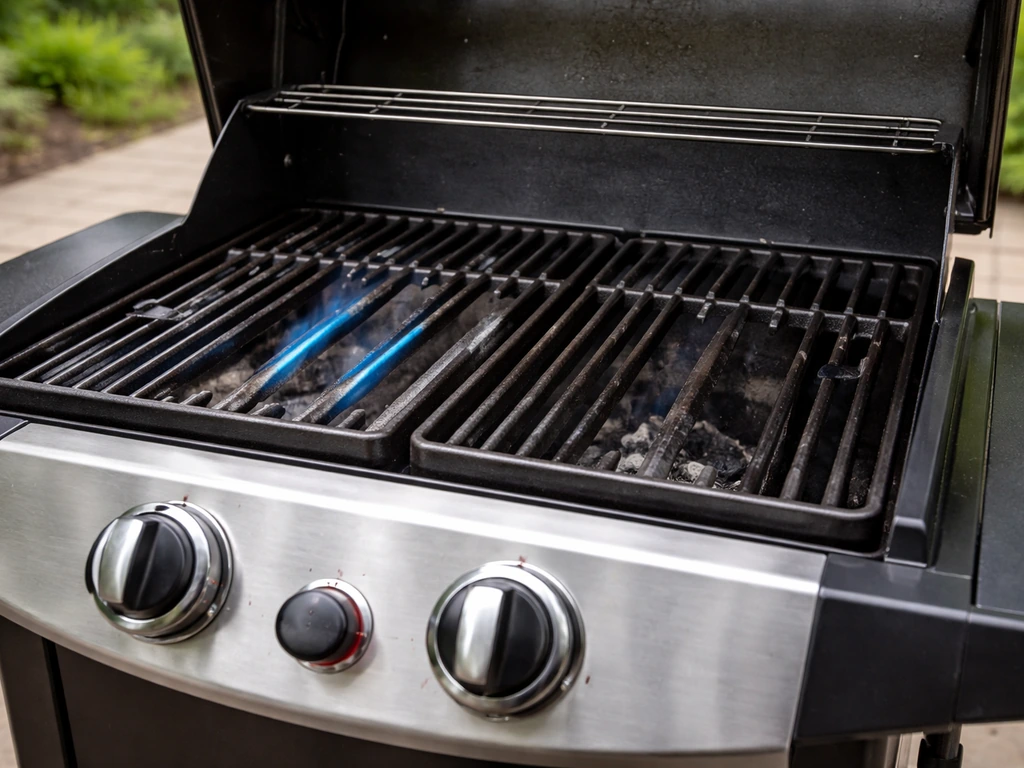
Quick triage: figure out which problem you actually have
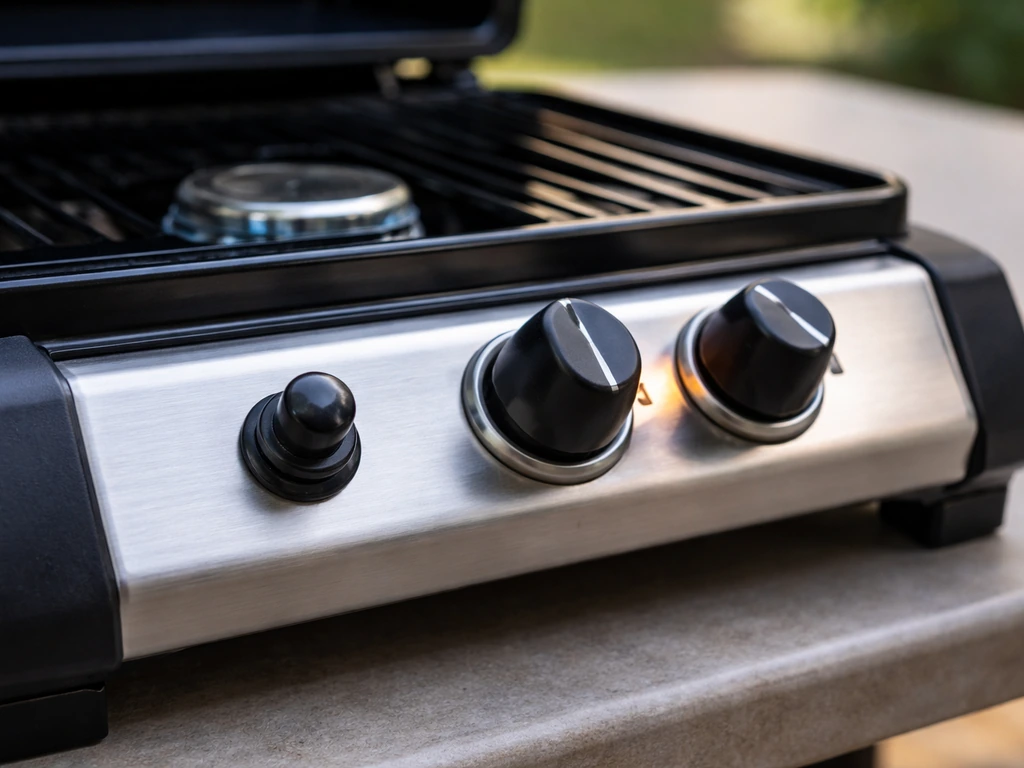
Before you start swapping parts, spend two minutes pinning down the exact symptom. The fix for 'no click' is completely different from the fix for 'click but no flame,' so getting this right saves you from chasing the wrong thing.
| What you observe | What it points to | Where to start |
|---|---|---|
| Press igniter, nothing happens (no click, no spark) | Dead battery, loose wiring, or failed igniter module | Ignition system section |
| Click sound but no spark visible at burner | Electrode gap, arcing to grill body, or disconnected output lead | Ignition system section |
| Spark present but no flame starts | No gas reaching burner: empty tank, closed valve, tripped regulator, or clog | Fuel and hookup section |
| Flame starts then dies within a few seconds | Excess flow valve tripped or vapor lock at regulator | If it lights then dies section |
| Flame lights but stays very low or blows out | Low tank, wind, or clogged burner ports | Burner and gas-flow section |
One more quick note: if you have the Patio Bistro 240 with integrated electronic ignition, check whether your unit is covered under the Char-Broil recall. Char-Broil issued a recall on the Gas Patio Bistro 240 because the electronic ignition could unexpectedly ignite accumulated propane when the burner flame went out and you turned the knob to OFF, posing a burn hazard. If your unit is affected, stop using it and order the free replacement ignition module from Char-Broil before continuing any other troubleshooting.
Safety first: do these things before anything else
Working on a gas grill is safe when you respect the fuel. Propane is heavier than air, so it pools at ground level and in cavities where you can't see it. Before you touch anything internal, run through this checklist every single time.
- Turn all burner knobs to OFF and close the propane tank valve (turn clockwise until it stops) before opening the grill or touching any connections.
- Move the grill to a well-ventilated outdoor area, away from enclosed spaces, overhangs, or anything flammable.
- Sniff around the regulator, hose, and tank connection. If you smell gas before you've even opened the tank, stop and do a leak check before proceeding.
- Never test for leaks with a lighter or match. Mix dish soap and water, brush it onto every joint, and watch for bubbles. Bubbles mean gas is escaping.
- If you smell gas or see bubbles at any point, close the tank valve immediately and don't attempt to light the grill until the leak is found and fixed.
- Keep the grill lid open when lighting. Never light a closed grill.
For the leak check specifically: turn all burner knobs to OFF and the propane valve to OFF first, then reconnect everything snugly. Turn the tank valve on slowly and brush the soapy water across the regulator coupling nut, the hose, and any fittings. If a connection bubbles, that joint needs to be replaced, not tightened harder. Char-Broil's own guidance says if you detect a leak between the LP cylinder and the regulator connection, discontinue use and replace the valve, hose, or regulator, then do another full leak check after the replacement.
Check the fuel supply and connections first
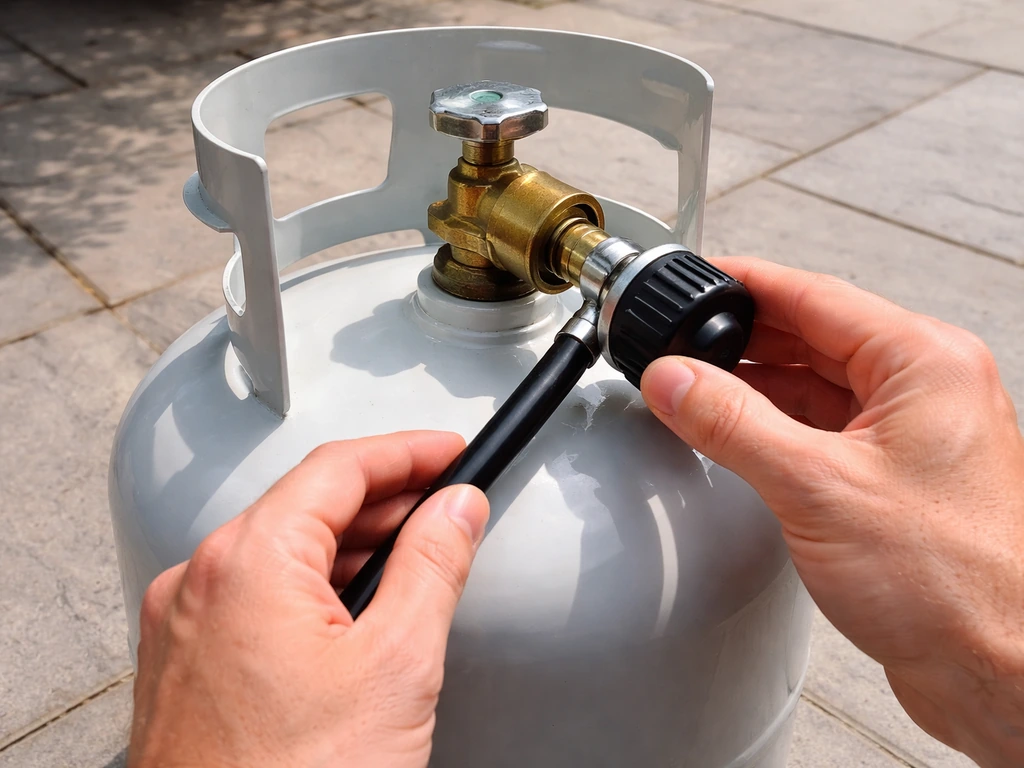
This is the most skipped step and also the most common cause of a 'not working' Patio Bistro. Run through every item here before touching the ignition or burners.
Tank and valve
- Is the tank actually open? Turn the valve counterclockwise fully. A half-open valve is a very common culprit.
- Is the tank empty or nearly empty? Pick it up. An empty 1 lb cylinder weighs almost nothing; a 20 lb tank that feels light is suspect. Take it to a fuel station and weigh or exchange it.
- Is the main burner valve knob in the correct position? It needs to be set as directed in the manual before gas will flow. On the Patio Bistro 240, the valve also has to be physically positioned inside the burner tube, not just turned to the 'on' position.
Regulator and hose
The regulator coupling nut connects to the propane tank valve and must be hand-tightened only. Char-Broil specifically says not to use tools on it. If it's cross-threaded even slightly, you'll get no gas flow or a leak. Here's the correct sequence: close the tank valve, remove the tank's protective seal if it's a new tank, insert the regulator nipple into the valve opening, and thread the coupling nut clockwise by hand until snug. Then do your leak check before lighting anything.
If the hose looks cracked, kinked, or has been stored in the sun for years, replace it. A damaged hose is not a DIY repair candidate. Order a Char-Broil replacement hose and regulator that matches the Patio Bistro's connection specs, since aftermarket parts can have compatibility issues.
Troubleshooting the ignition system
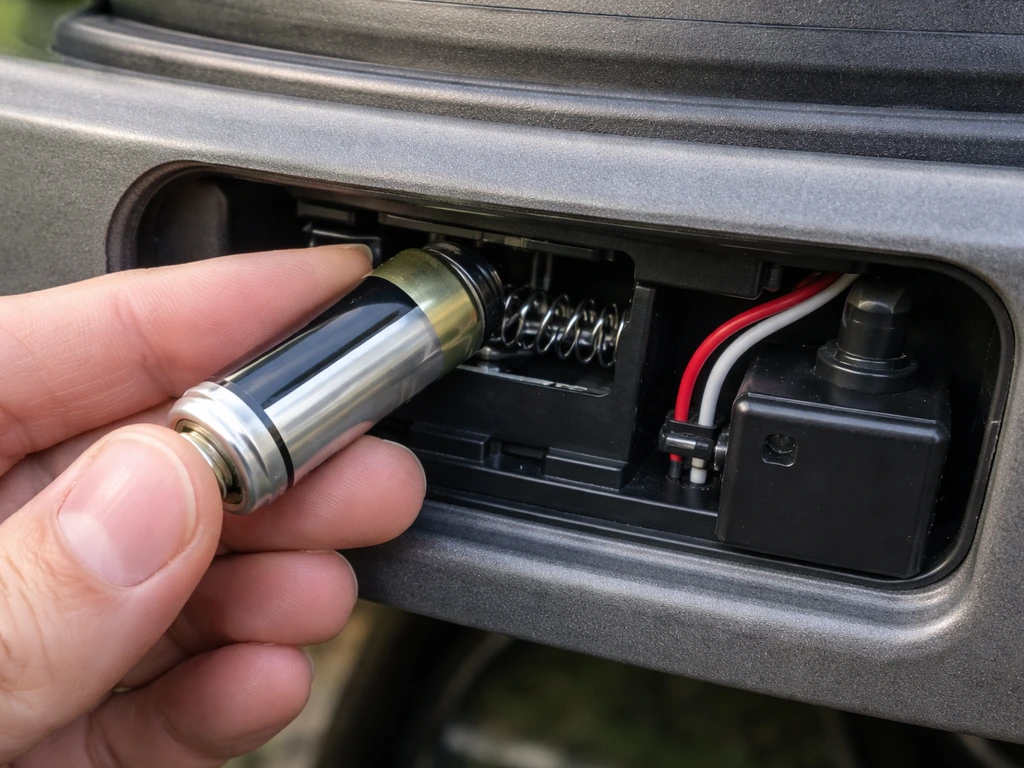
The Patio Bistro 240 uses a battery-operated electronic ignition. The manual breaks ignition failures into three distinct categories, and knowing which one you have tells you exactly what to check.
No click, no spark, no ignition noise at all
This is almost always a dead or incorrectly installed battery. Open the igniter battery compartment, remove the battery, and check the contacts for corrosion (green or white buildup). Clean the contacts with a dry cloth if needed, then insert a fresh alkaline AA battery, making sure the polarity is correct. Press the button. If you still get nothing, the button assembly itself may not be seated properly. Remove it and reseat it according to the assembly instructions. If you also need the step-by-step process for putting a Char-Broil Patio Bistro 240 together, follow the specific assembly instructions for your exact kit Char-Broil Patio Bistro 240 assembly instructions. If there's still no response, the spark module is likely faulty and needs to be replaced.
Click sound (ignition noise) but no spark
If the module is clicking but you're not seeing a spark at the electrode, the problem is usually one of three things: a disconnected output lead wire between the module and the electrode, the electrode is positioned wrong, or the spark is arcing to the grill body instead of jumping to the burner. Check that the output lead wire is firmly connected at both ends. Then look at the electrode tip. On the Patio Bistro 240, the tip should point toward the burner gas port opening and sit between 1/8 inch and 1/4 inch away from the burner for the main burners (1/8 to 3/16 inch for the sideburner). If the electrode has shifted or bent, carefully reposition it to that gap. If you can see the spark jumping to a metal part of the grill rather than toward the burner, that's the arcing issue, and you'll need to check the electrode insulator for cracks and replace the electrode if it's damaged.
Spark is present but flame won't start
If you can see sparking at the electrode but gas won't ignite, the ignition hardware is working and the problem is on the gas side. Jump back to the fuel and hookup section and work through the tank, valve, and regulator checks. A spark with no fuel to ignite is a gas supply problem, not an ignition problem.
Match lighting as a backup
If the electronic igniter isn't cooperating and you need to cook today, you can use a long-reach match or lighter. Open the lid, set the burner knob to the lighting position, hold the lit match near the burner port before turning on the gas, then slowly open the tank valve. This confirms whether the ignition module is the issue or whether it's a gas supply problem. If the grill lights fine with a match but not with the electronic igniter, the igniter or its wiring is the culprit.
Burner and gas-flow problems
Even with good fuel and a working igniter, a blocked burner will stop the grill cold. This is also where spider webs become a serious issue, and it happens more often than people expect, especially if the grill sat unused for a few weeks.
Spider webs and burner tube obstructions
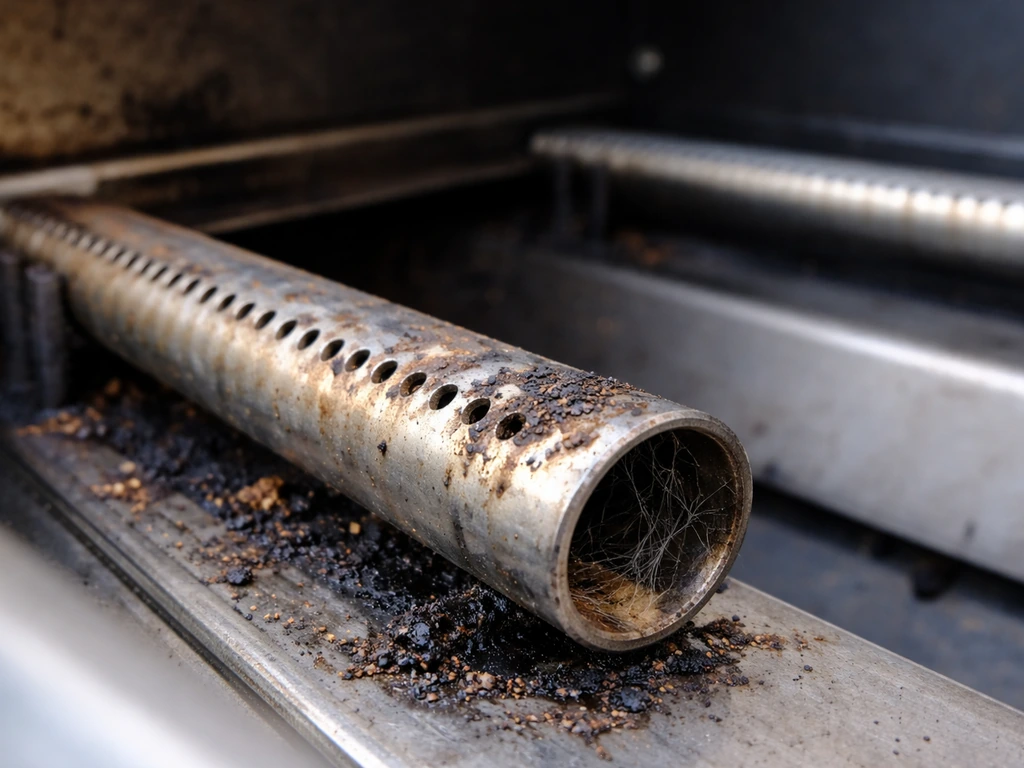
Spiders are drawn to the scent of propane and will build webs inside burner tubes. Even a small web can partially or fully block gas flow. The Patio Bistro 240 manual specifically calls this out as a cause of burners failing to light. To check, disconnect the gas, remove the burner assembly according to the assembly guide, and visually inspect the inside of each burner tube. Run a bottle brush or a small wire brush through the length of the tube. Air should come out every port hole when you blow through the end. For individual blocked ports, use a stiff wire (a straightened paper clip works well) to clear them. Do not enlarge the holes.
Grease and debris buildup
Clogged burner ports from grease and food particles will cause uneven flames, crossover ignition failures, or one burner not lighting from another. Char-Broil notes that burners have ports, and when burner ports are clogged, propane cannot flow to heat and cook food clogged burner ports. Use a stiff grill brush to clean the outside of the burners, removing drippings from both inside and outside surfaces. Also clean the carryover tubes (the small tubes that carry flame between burners) with a wire brush. If a burner is so corroded or clogged that cleaning doesn't restore even flame distribution, replacing it is the right call.
Valve-to-burner tube alignment
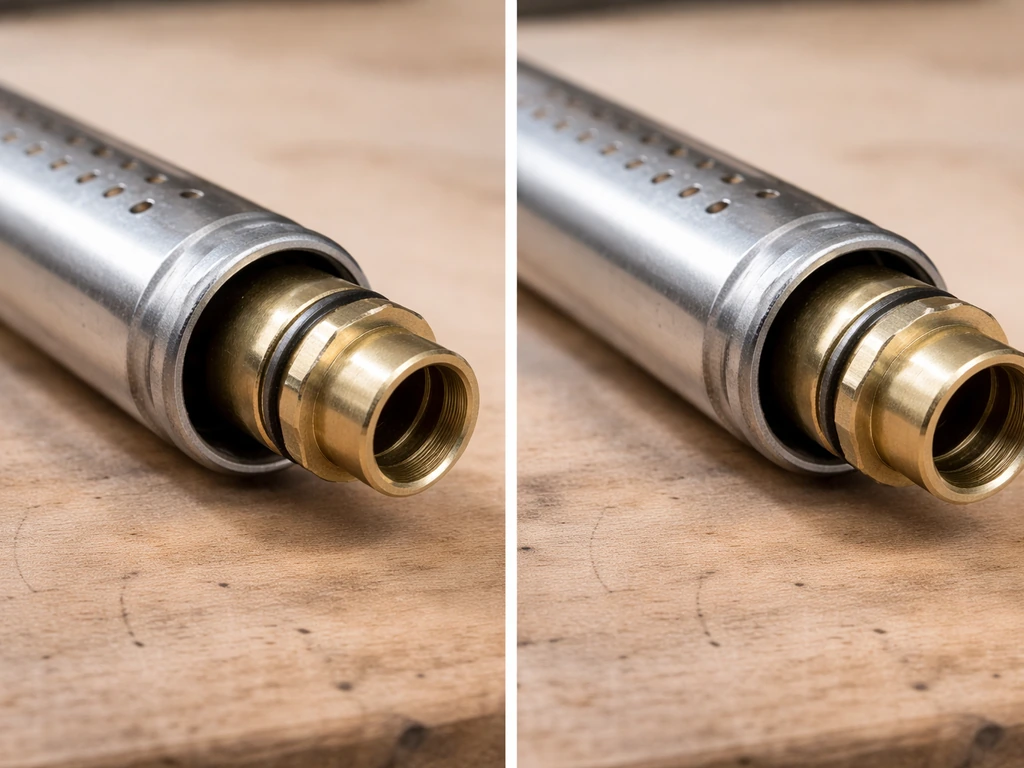
The Patio Bistro 240 has a specific requirement that the valve must be physically positioned inside the burner tube for gas to flow properly. If the burner has been removed for cleaning and reinstalled slightly off, the valve can miss the tube opening entirely. Check the alignment visually and correct it before trying to light again.
If it lights then goes out: tripped regulator and vapor lock
This is a frustrating one because the grill seems to be working for a moment and then just dies. The two most common causes are a tripped excess flow valve in the regulator and vapor lock at the coupling nut connection to the LP cylinder.
The excess flow valve is a safety device that shuts down gas flow if it detects a sudden surge, which can happen if you open the tank valve too quickly or if a burner knob was left on when you connected the tank. Once it trips, the grill will light briefly (on residual gas in the line) and then die. The fix is simple but specific: turn all burner knobs to OFF, close the LP cylinder valve, disconnect the regulator from the tank, wait about 30 seconds (this lets the valve reset), reconnect the regulator hand-tight, turn the LP cylinder valve on slowly, wait another 30 seconds, then attempt to light normally. Char-Broil's own troubleshooting workflow for 'sudden drop in gas flow or low flame' follows exactly this sequence.
Vapor lock is a similar symptom with the same fix. It's caused by pressure buildup at the coupling nut connection. The same disconnect-wait-reconnect procedure resolves it. If the problem keeps coming back every time you use the grill, the regulator itself may be failing and should be replaced.
Wind is worth mentioning here too. The Patio Bistro 240 manual specifically lists high or gusting winds as a cause of flames blowing out. If you're cooking in a breezy spot, try repositioning the grill or using a windbreak. This isn't a defect, it's just physics.
When to stop DIYing and get help
Most Patio Bistro problems are fixable at home. If you are assembling a Patio Bistro 240 from the box, follow the manufacturer’s step-by-step assembly instructions before troubleshooting any ignition or gas-flow issues how to assemble char broil patio bistro 240. But there are clear lines you shouldn't cross without professional help or a straight-up replacement decision.
- Gas smell that persists after you've closed the tank valve and done a leak check: do not attempt to light the grill. If you can't isolate the leak, contact Char-Broil support or a certified gas technician.
- Bubbles forming at the hose or regulator body (not just at a fitting): the hose or regulator body itself is compromised. Replace the entire hose and regulator assembly, not just the part you can see.
- Burner tubes or burner bodies with visible holes, rust-through, or heavy corrosion: replace the burner. A corroded burner can direct flame unpredictably and isn't safe to keep using.
- Recall-affected units: if your Patio Bistro 240 is covered under Char-Broil's ignition recall, do not continue using it until the replacement ignition module has been installed per the recall instructions. The recall was specifically about the ignition firing unexpectedly when the knob was turned to OFF after a flame-out, which is a real burn hazard.
- Repeated excess flow valve trips even after following the reset procedure: this points to a failing regulator or an issue with the LP cylinder valve. Replace the regulator first; if it still trips, have the tank inspected.
- Electronic ignition that still doesn't fire after a new battery, reseated button assembly, and confirmed electrode positioning: replace the spark module and/or electrode. These are standard Char-Broil parts and not expensive, but if you're uncomfortable doing the swap, Char-Broil's customer support can walk you through it or point you to a service center.
Parts worth having on hand if you're going to repair rather than replace: a replacement AA alkaline battery (try this first, it's free if you have one lying around), a Char-Broil replacement ignition module for the Patio Bistro, a replacement electrode, and a compatible hose and regulator. The assembly guide and manual for the Patio Bistro 240 have part diagrams that make ordering the right components much easier, and the full manual covers correct electrode positioning and valve alignment in detail if you need to go deeper on any of those steps. A copy of the Char-Broil Patio Bistro 240 manual can help you identify the exact model features and the correct parts for ignition and gas-flow troubleshooting.
If you've worked through every section here and the grill still won't cooperate, Char-Broil's customer support line is a genuinely useful next step. Have your model number and serial number ready (usually on a sticker on the back or underside of the grill). They can confirm whether any additional recalls or service bulletins apply to your specific unit and send replacement parts when covered.
FAQ
I smell propane, but the grill won’t light. Should I keep troubleshooting?
Yes. If you smell propane or hear hissing, stop immediately, shut the tank valve OFF, and do not try to relight. You should finish a leak check with soapy water only after everything is powered down and you can do it without sparks from attempts to ignite.
How can I tell quickly if the problem is ignition or gas supply when it sparks but won’t ignite?
If you get sparks but no flame, the fastest confirmation is the “match test.” Light a long match or lighter, place it at the burner port, turn the burner knob to the lighting position, then slowly open the tank valve. If it lights with a match but not the igniter, the gas side is not the problem.
What battery issues cause the Patio Bistro to click but not reliably ignite?
Use alkaline AA batteries and verify polarity before closing the compartment. Also clean any green or white corrosion on the contacts, even if the battery is new, because poor contact can cause a weak or intermittent click.
The igniter clicks and I see sparks, but they seem to jump to the grill metal. What should I check?
Correct the electrode gap and direction, then re-check for arcing to metal. If the spark jumps to the grill body, the insulator may be cracked and the electrode often needs replacement, reseating alone usually will not fix it.
Can I use tools to tighten the regulator coupling nut if it feels loose?
Not exactly. A “snug by hand” regulator connection matters, if it is cross-threaded or tightened with tools, you can create a leak or prevent proper gas flow. After reconnecting, always perform a fresh soapy water leak check before attempting ignition.
My grill lights for a few seconds and shuts off. What is the most likely cause and what reset should I try first?
If the grill lights briefly then dies, try the disconnect-wait-reconnect reset for the excess flow valve first, since that symptom often comes from opening the tank too quickly or leaving a knob on. If it repeats every time, the regulator may be failing and should be replaced rather than repeatedly resetting.
How often should I inspect the burner tubes for spider webs if the grill has been sitting?
Yes. Spiders can block burner tubes quickly, especially if it sat unused for weeks. You should inspect inside the burner tubes and clear blocked ports with a stiff wire, then brush carryover tubes, even if the outside looks clean.
Can I clear clogged burner ports by drilling or enlarging the holes if they seem stuck?
Even if a burner port is blocked, forcing or enlarging holes can change gas flow and make flame distribution unsafe or uneven. Use a stiff wire to clear the port openings without widening them.
After cleaning, the burner won’t light even though I have spark. Could alignment be the issue?
If the burner was removed for cleaning, the valve can sit slightly off and miss the tube opening. Re-check alignment visually and reinstall so the valve sits properly inside the burner tube before lighting.
Could wind be why my flames keep blowing out even when everything else seems fine?
High or gusting wind can blow out flames, and the manual lists wind as a cause. Try repositioning the grill or using a windbreak, then test again before assuming a parts failure.
When should I stop DIY troubleshooting and contact Char-Broil support?
If every troubleshooting step fails, stop using the grill and contact support. Have the model number and serial number ready from the back or underside, and ask them to confirm whether any additional service bulletins apply and arrange replacement parts if covered.