You can buy a propane patio heater today at Home Depot, Lowe's, Costco, Walmart, Amazon, or directly from manufacturers like AZ Patio Heaters, Fire Sense, or Bromic. For same-day pickup, Home Depot and Lowe's are your best bets since they typically stock several models in-store, especially from spring through early fall. If you can wait two days, Amazon usually has the widest selection and the most competitive pricing. The key is knowing exactly what to look for before you click "add to cart" or toss one in a flatbed cart, because the wrong heater for your space is a frustrating and expensive mistake.
Where to Buy Propane Patio Heater: Local and Online Options

Grant Mercer
16 Jun 2026
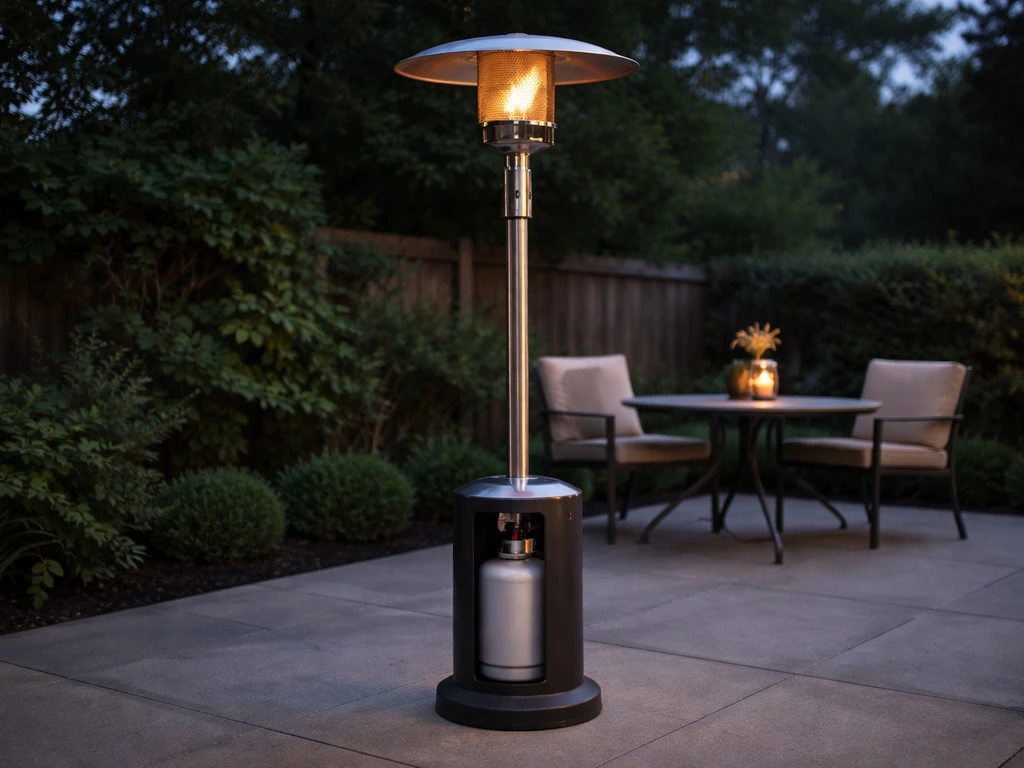
Best places to buy a propane patio heater (local vs online)
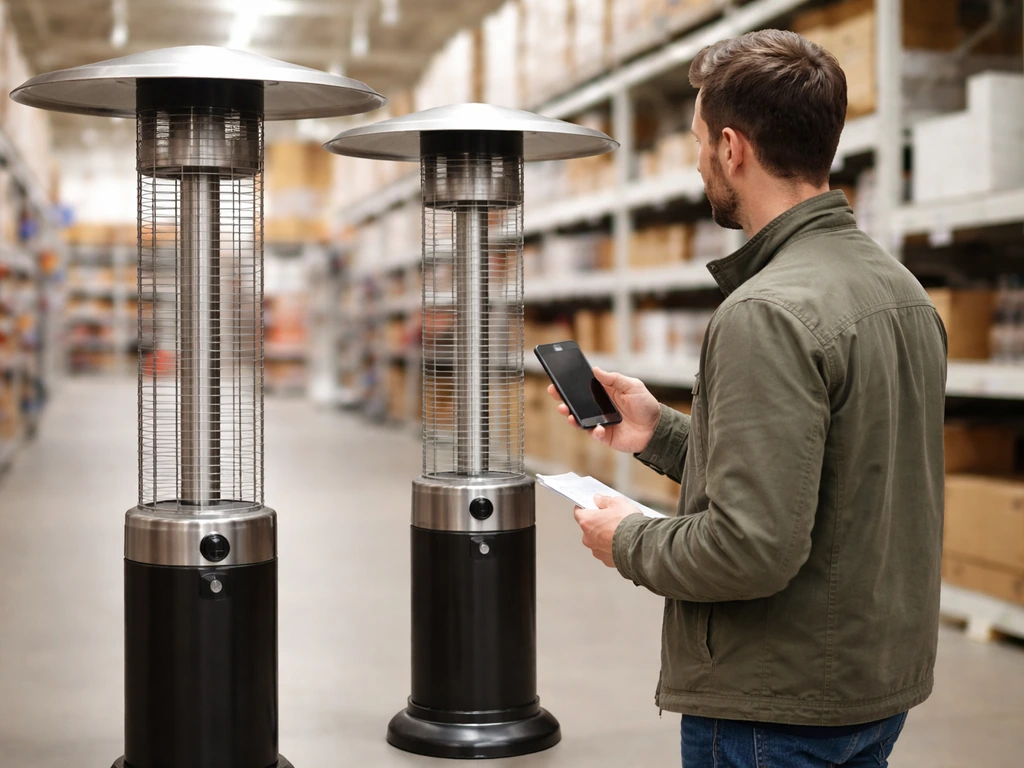
If you need a heater this weekend, start local. Home Depot and Lowe's both carry floor models you can actually see in person, which matters more than people realize. You can check build quality, how the regulator connects, how stable the base feels, and whether the ignition button is in a sensible place. Walmart stores carry patio heaters seasonally, and larger Costco warehouses often stock them in the spring and fall at solid prices, sometimes bundled with a cover.
For online shopping, Amazon is the most practical choice for most people because you get a massive selection, real customer reviews that often flag specific problems (igniter failures, wobbly poles, missing hardware), and fast shipping. The AZ Patio Heaters and Fire Sense brands are particularly well-represented there. If you want a premium unit like Bromic's Tungsten Smart-Heat line, go directly to the manufacturer's website or an authorized dealer since those aren't always available through general retailers. Wayfair and Overstock also carry patio heaters and sometimes run better sales than Amazon, so they're worth a quick check.
| Retailer | Best For | In-Store Pickup | Price Range |
|---|---|---|---|
| Home Depot | Same-day purchase, seeing it in person | Yes | $100–$350+ |
| Lowe's | Same-day purchase, knowledgeable staff | Yes | $100–$350+ |
| Costco | Value bundles, seasonal deals | Varies by warehouse | $150–$300 |
| Walmart | Budget models, quick availability | Yes (seasonal) | $80–$200 |
| Amazon | Widest selection, reviews, fast shipping | No | $80–$500+ |
| Bromic / Manufacturer Direct | Premium or specialty models | No | $300–$800+ |
What to look for when shopping (BTUs, size, safety features)
The single most important spec is BTU output. For a typical freestanding mushroom-style propane patio heater, you want somewhere between 40,000 and 48,000 BTUs. That range will comfortably heat a 15–20 foot diameter area on a calm night. If you go lower than 40,000 BTUs, you'll feel it on anything but the mildest evenings. Tabletop propane heaters run much lower, usually 10,000–15,000 BTUs, which is fine for a small bistro table but won't heat an open deck.
Size and footprint matter a lot depending on your space. A standard freestanding tower heater is roughly 7–8 feet tall and needs a stable, flat surface. Make sure the base is weighted or can accommodate a filled propane tank inside it, because that's what keeps it from tipping over in a breeze. Pyramid-style heaters with visible flames are popular but tend to be less efficient for actual heat output per BTU compared to mushroom-head models.
Safety features you should not skip
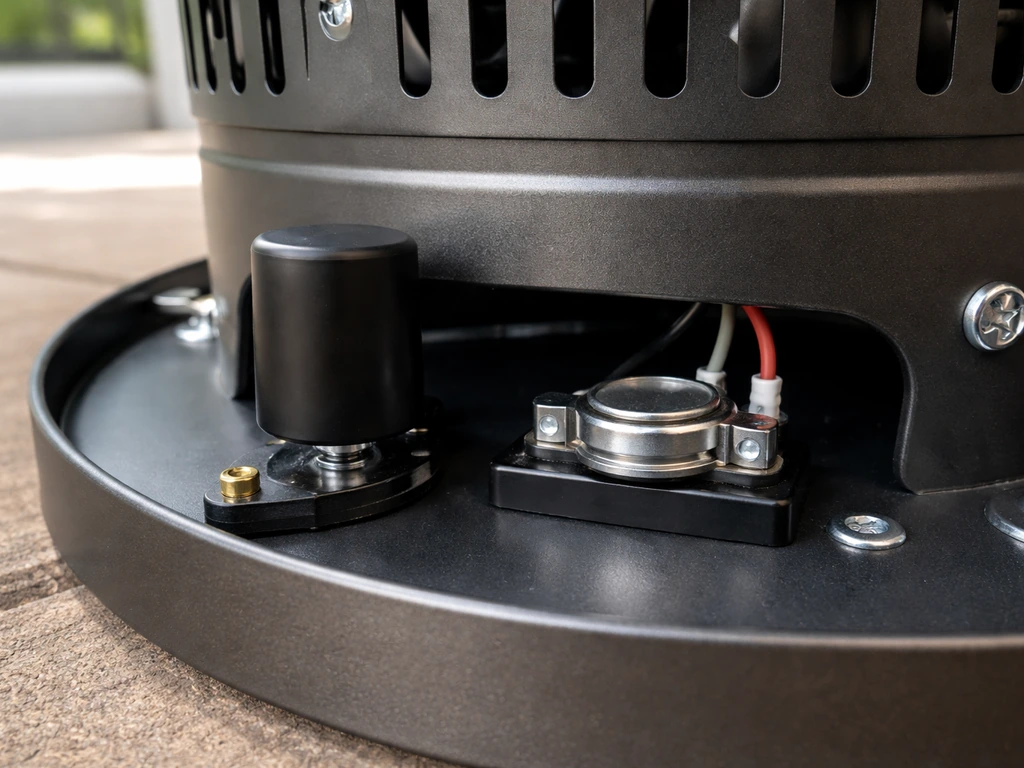
Any propane patio heater worth buying should have two non-negotiable safety features: a tip-over/tilt switch and an automatic shutoff valve. The tilt switch kills the gas if the heater falls over, which is critical if you have kids, pets, or unpredictable wind. The automatic shutoff valve stops gas flow if the flame goes out, which prevents a dangerous buildup of unburned propane. Check the product listing specifically for these features. Do not buy a heater that doesn't mention both. This is especially important given that ANSI Z83. blank" rel="noopener noreferrer">ANSI Z83.26 / CSA 2.37 (R2019) is the relevant consensus standard for gas-fired outdoor infrared patio heaters, and it explicitly covers use with liquefied petroleum (propane) gases. 26 / CSA 2.37 sets the safety standard for gas-fired outdoor patio heaters, and compliant heaters will have these protections built in. Look for UL listing or CSA certification on the label.
Ignition method is worth checking too. Electronic push-button ignition (piezo or battery-powered) is the most convenient. Some budget models still use a match-light setup, which means leaning over an open gas valve with a lighter, and that's a habit worth avoiding. Battery-powered electronic ignition is the sweet spot for most people.
What your "buy" should actually include
Here's where a lot of people get tripped up. The heater unit is rarely the complete purchase. Before you check out, confirm exactly what's in the box and what you'll need to add.
The propane tank
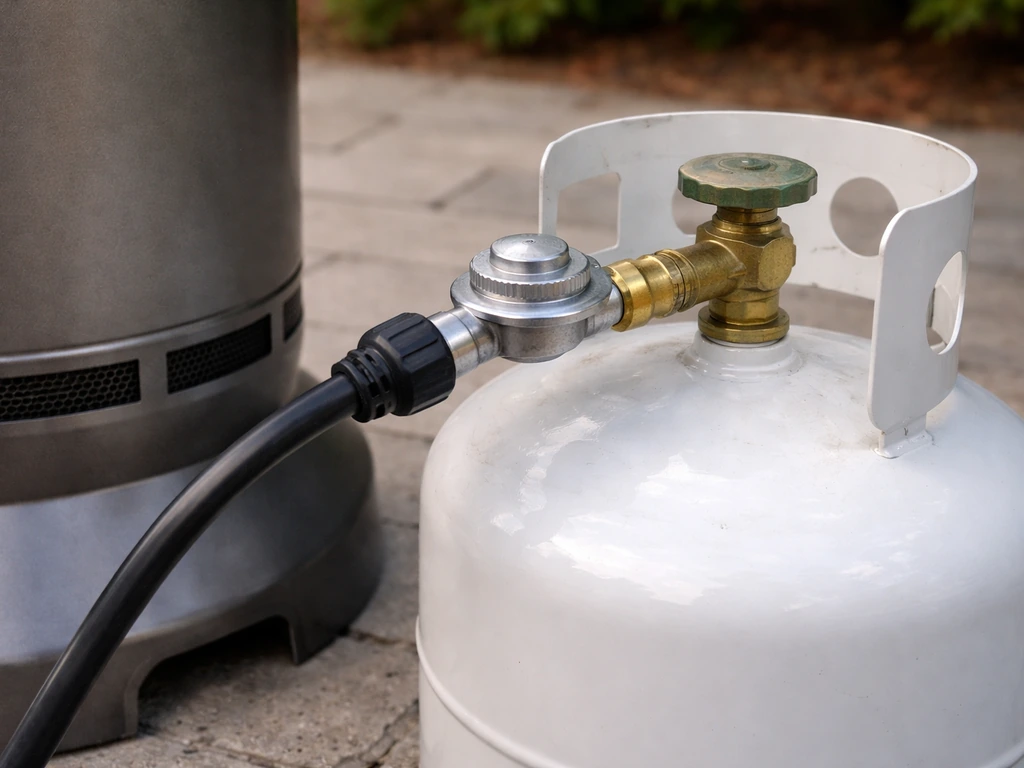
Almost every full-size freestanding propane patio heater is designed to run on a standard 20 lb propane cylinder. This is the same tank you use on a gas grill, so you may already have one. AZ Patio Heaters explicitly states in their owner's manuals for models like the HLDS01 that you should "use a standard 20 lb. propane cylinder only." Fire Sense also specifies the 20 lb tank for their full-size models. Do not try to use a smaller 1 lb camping cylinder with an adapter on a full-size heater. It won't supply gas fast enough and creates a safety risk. If you don't already have a 20 lb tank, you can buy or exchange one at Home Depot, Lowe's, Walmart, most grocery stores, and many gas stations. Budget about $20–$25 for an exchange or $40–$50 for a new filled tank.
Regulator and hose
Most full-size patio heaters come with a regulator and hose already included. Check the listing to confirm. The regulator reduces tank pressure to a safe operating level, and without it the heater won't work. If yours doesn't include one, you'll need a low-pressure propane regulator rated for outdoor heaters, typically set to 10 inches of water column (not the high-pressure regulators used for some grills). This is a cheap part, usually $15–$30, but get the right one or your heater will either starve for gas or flood.
Accessories worth adding
- A fitted cover: Propane heaters left uncovered deteriorate fast. UV, rain, and bird droppings all attack the reflector and burner head. Spend $20–$40 on a cover sized for your model.
- A tank gauge: Inline propane gauges (under $15) screw between the tank and regulator and show you roughly how much fuel is left. Much better than running dry mid-party.
- Spare igniter batteries: If your heater uses a battery-powered igniter, the AA or D-cell batteries that power it are the first thing that fails. Keep spares on hand.
- Wheel kit or dolly: Full-size heaters are heavy and awkward to move. Some models include wheels; if yours doesn't, a universal furniture dolly works well.
Choosing the right setup for your space
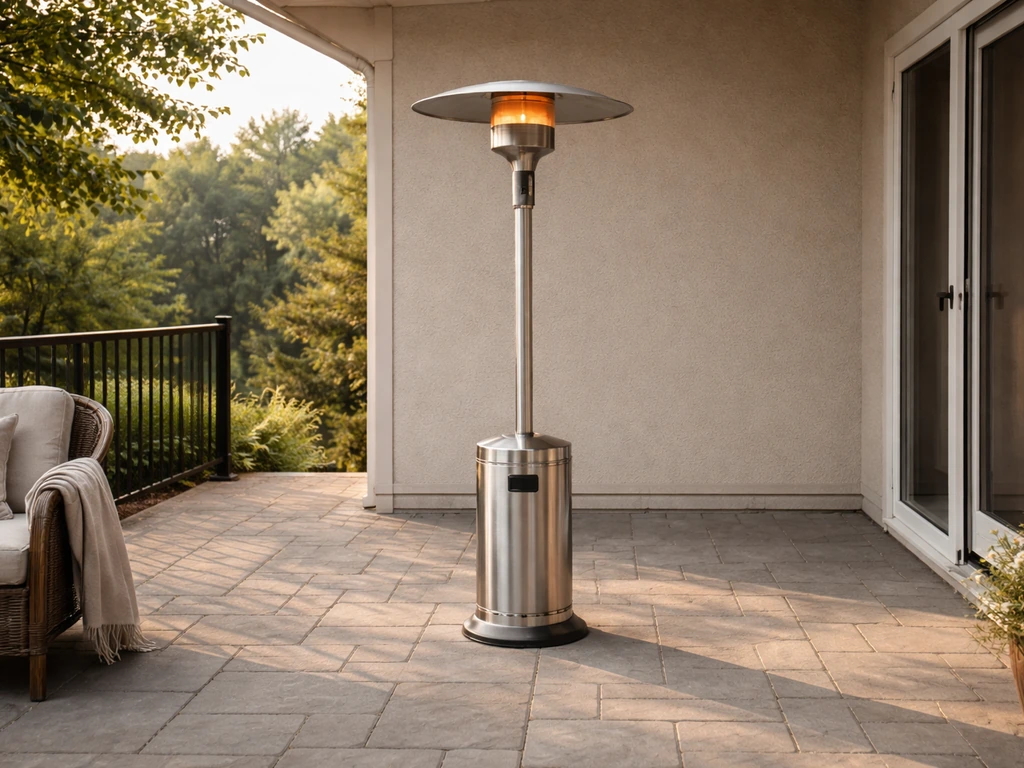
Where you place a propane patio heater matters as much as which one you buy. The first rule is clearance. Most manufacturers require at least 24–36 inches of horizontal clearance from the heater head to any combustible surface, including wood pergolas, fabric umbrellas, string lights, and awnings. Read the clearance specs in the manual before you position it, not after. Bromic’s Tungsten Smart-Heat freestanding product page also directs users to follow its installation manual for safe operation and proper clearances. Bromic specifically calls out in their Tungsten Smart-Heat documentation that proper clearances are required for safe operation, and that's true of every brand.
Wind is the other major factor, and it's one most people underestimate. Even a moderate breeze disrupts the flame and causes the heater to cycle off repeatedly via the thermocouple safety system. Bromic's Tungsten Smart-Heat freestanding heater is designed for wind conditions up to 8 mph. That's actually fairly generous compared to many budget models, which struggle in anything above a light breeze. If your patio is regularly exposed to wind, either look at a heater with a more enclosed burner head or plan to position the heater on the most sheltered side of your space.
For surface type, make sure the heater sits on a stable, level, non-combustible surface. Pavers, concrete, and composite decking (check manufacturer specs for composite) are all fine. Soft ground or grass is not suitable for a freestanding heater unless you add a base plate. Avoid positioning directly under a covered patio roof unless the heater is specifically rated and the clearances are verified.
If you're weighing propane against a permanently plumbed natural gas heater, the tradeoff is flexibility versus convenience. A propane unit goes anywhere you can carry a tank, which is ideal for most homeowners. If you're on the fence between fuel types, it's worth reading a focused comparison of natural gas vs propane heaters, since the long-term cost and installation differences are significant. If you're comparing options, a gas vs propane patio heater breakdown can help you understand fuel cost, setup, and maintenance differences natural gas vs propane heaters.
What to expect after you bring it home (maintenance and common fixes)
Most patio heater problems show up within the first season, and the good news is the majority of them are fixable without a service call if you know what you're looking at. Setting realistic expectations here will save you a lot of frustration.
The heater won't ignite
This is the most common complaint. Nine times out of ten it's either a dead igniter battery, a dirty pilot orifice, or a gas flow problem from a tank valve that wasn't opened fully. Start by replacing the battery, then check that the tank valve is fully open (turn counterclockwise until it stops). If the igniter sparks but the flame won't catch, the pilot orifice may need cleaning with a thin wire or compressed air. A clogged orifice is almost always the culprit on a heater that sat in storage over winter.
The heater lights but won't stay lit
If your heater lights and then goes out within a few seconds of releasing the control knob, the thermocouple is almost certainly the problem. The thermocouple is a small metal probe that sits in the pilot flame. It generates a tiny electrical signal that tells the gas valve it's safe to stay open. When the thermocouple wears out or gets coated with debris, the signal gets too weak and the valve closes as a safety measure. Thermocouples are inexpensive (usually $10–$20) and replaceable on most major brands. It's one of the most common repairs on this site, and it's very doable for a DIYer with a basic wrench.
Tilt switch issues
If your heater won't stay on even when sitting completely upright and level, the tilt switch may be the problem. The tilt switch is designed to shut off gas if the heater tips, but they can fail in the closed (safety) position, which means the heater thinks it's tipped when it's not. Before replacing anything, make sure the heater is on a truly level surface and the switch hasn't been knocked out of position. On many models the tilt switch is a small mercury or ball-bearing switch mounted at the base. If it's stuck or corroded, it's a straightforward replacement.
Basic seasonal maintenance
- At the start of each season, inspect the burner screen and emitter for spider webs, debris, and corrosion. Spiders love to nest in burner heads over winter, and a blocked orifice will prevent ignition.
- Check all gas connections by applying a soapy water solution with the tank open. Bubbles mean a leak. Tighten the connection or replace the hose if it doesn't seal.
- Inspect the regulator hose for cracks, brittleness, or kinks. Hoses degrade with UV exposure. If yours is cracked, replace it before using the heater.
- Clean the reflector (the dome or mushroom top) with a damp cloth. Grease buildup reduces heat output and can become a fire hazard.
- Test the tilt switch by gently tilting the heater while it's running (with the tank off and just testing continuity if possible). The safety system should cut the valve immediately.
Where to find parts, manuals, and support
If something breaks and you need a part, you have better options than you might think. For common wear items like thermocouples, igniters, and regulators, Amazon and your local hardware store will usually have generic replacements that fit most brands. For model-specific parts like burner heads, emitter screens, or control valves, go to the manufacturer directly.
- AZ Patio Heaters: Their website sells replacement parts and the owner's manuals (like the HLDS01-CGT manual) are downloadable directly from their site. Customer support is responsive for part identification.
- Fire Sense / Balkene Home: Their FAQ and support pages address common issues including tank specifications and clearance questions. Replacement parts are available through their website and through Amazon.
- Bromic Heating: Premium brand with a dedicated support line and authorized dealer network. For Bromic units, always use the official installation manual for clearance specs and parts sourcing.
- Amazon and eBay: Good for generic parts (thermocouples, igniters, hoses, regulators). Search by part type and verify the thread size or connection type before ordering.
- Local hearth and fireplace specialty shops: Often overlooked, but a local hearth dealer can usually source parts for major brands and sometimes has technicians who work on patio heaters.
If you're troubleshooting a specific problem, the model number (usually on a sticker at the base of the pole or inside the base panel) is your best friend. Pull it before you call support or search for parts. Most manufacturer websites let you look up manuals and parts diagrams by model number, and that diagram will show you exactly which component you need. Common repairs like thermocouple replacement, igniter swap, and tilt switch testing are all within reach for a DIYer with a screwdriver and a wrench set. Where it's not worth DIYing is if you have a damaged gas valve or a cracked burner body. At that point, a replacement heater is often cheaper and safer than a repair.
One last thing: if you're still deciding whether a propane heater is right for your situation or comparing it to other types, it's worth looking at how propane stacks up against halogen electric heaters, which are a completely different technology with different safety profiles and operating costs. Getting the right type for your outdoor space from the start makes everything after the purchase much smoother.
FAQ
Can I use a 1 lb propane tank instead of a 20 lb tank on a full-size patio heater?
Most propane patio heaters are built around a standard 20 lb cylinder, if you try to use a small 1 lb camping tank or a mismatched regulator you can get low flame, repeated shutdowns, or unreliable ignition. If you shop online, verify the listing explicitly says “20 lb propane cylinder only,” and confirm the exact regulator type it expects.
Will a grill propane regulator work with a patio heater?
Yes, but only if the heater is sold as compatible and you have the correct low-pressure outdoor regulator and hose configuration. Do not assume grill accessories work, because some grill regulators are high-pressure and will either prevent proper burning or create safety problems, causing the flame to extinguish and trigger safety shutoff.
Is it better to buy from a big retailer or from the manufacturer for warranty and parts?
Buying from a big-box store is usually simplest for same-day pickup, but returns and warranty claims can be slower than buying directly for certain premium lines. If the heater is a brand that sells through authorized dealers, consider purchasing from that channel so you do not lose access to model-specific parts diagrams and faster warranty processing.
What should I confirm is in the box before ordering online?
When the listing says “included,” look for “regulator and hose” specifically, not just “connects to tank.” If the box contents are unclear, check the product manual section for accessories, since missing the regulator is one of the most common online ordering mistakes and the heater may not run safely without the correct pressure setup.
Can I use a propane patio heater under a covered patio or pergola?
Airflow restrictions matter even outdoors. If you plan to use it near a wall, under a pergola, or close to an awning, you need the manufacturer’s specified clearance, not a generic rule of thumb. Measure from the heater head to every overhead and side combustible surface, then avoid placing it directly under a roof unless the manual explicitly allows it.
Why does my heater light but then shut off a few seconds later?
If it keeps shutting off after lighting, the cause is often wind disrupting the flame or the safety thermocouple system sensing an unstable pilot. Start by testing in calmer conditions, then ensure the heater is truly level and within clearance requirements, since drafts and poor placement can both trigger shutdown.
How much wind can a propane patio heater handle?
It depends on the heater model, but many “works in wind” claims still have limits. Check the stated wind tolerance (for example, some premium freestanding units specify up to a certain mph), and if you are in a consistently windy location consider a more enclosed burner head or reposition the heater on the most sheltered side of your patio.
Can I place a freestanding propane heater on grass or dirt?
Yes, but don’t mount a heater directly on the tank or replace the base with random supports. For freestanding models, use only manufacturer-approved bases or base plates on soft surfaces, then confirm the bottom is stable and the unit cannot tip in a breeze.
What safety features are non-negotiable when I search where to buy a propane patio heater?
Look for two things in the safety section: a tip-over or tilt shutoff and a flame-out automatic shutoff valve. If either is missing or not clearly stated, skip the purchase, because these features are what prevent gas flow when the heater tips or the flame goes out.
Where do I find the model number, and why does it matter for replacement parts?
To find the right match for repair needs, save the model number from the base sticker or inside panel, and keep the original receipt. Model-specific parts like burner heads or control valves usually require that number for the correct diagram, while generic items like batteries and some igniter components may not.
My heater shuts off even when it is upright. Could the tilt switch be the issue?
A common “it won’t stay on” situation is actually the tilt switch thinking the heater is tipped, even when it looks upright. Before replacing parts, verify the surface is level, confirm the tilt switch hasn’t been knocked out of position, and clean debris around the base that could cause improper contact.
How do I choose the right BTU rating for my patio if I’m shopping online?
When comparing listings, don’t shop only by “heater size” or brand. Use BTU range plus a realistic heat-loss estimate for your space, then consider wind exposure and clearance because those factors can reduce effective heating even if the BTU rating looks adequate.