Most Firestorm patio heater problems come down to a handful of root causes: ash buildup choking the burn chamber, not enough white spirit to get the pellets going, a badly seated glass tube blocking airflow, or wind interfering with the flame before it gets established. The fixes are straightforward once you know what to look for, and you can usually get the heater working again in under 30 minutes with a few basic tools and a bit of patience.
Firestorm Patio Heater Problems: DIY Troubleshooting Guide
Grant Mercer
28 Apr 2026
Safety first and quick triage
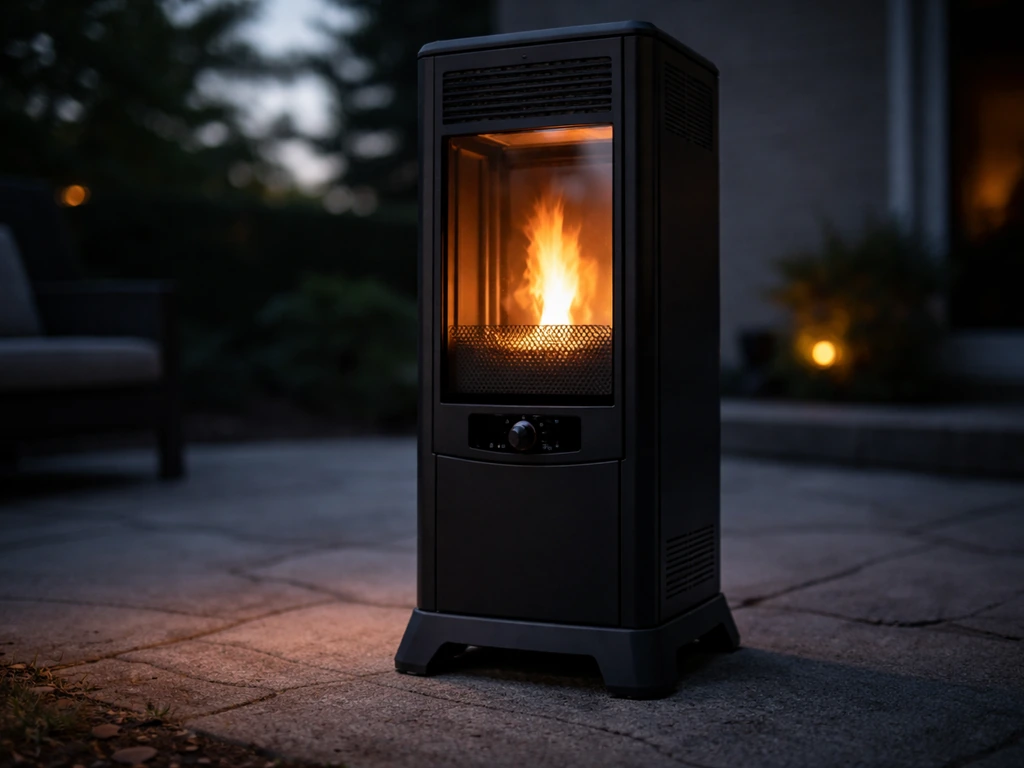
Before you touch anything, run through this short checklist. Firestorm heaters like the Phoenix and Flamenco are wood-pellet burners, not propane gas appliances, which changes the risk profile considerably. You're not dealing with pressurized gas lines or regulators here. The main hazards are burns from residual heat, cracking the borosilicate glass tube, and fire from open flame near flammable materials.
- Let the unit cool for at least 30 minutes after the flame goes out before handling any part of it. The glass tube and burn chamber stay dangerously hot well after the pellets stop burning.
- Never spray water on the hot glass tube. Thermal shock will crack borosilicate glass instantly, and a cracked tube is a safety hazard and an expense.
- Place the heater on flat, level ground away from any overhanging structures, furniture cushions, or dry vegetation before relighting.
- Keep children and pets well back during the lighting procedure. You're working with open flame and white spirit (a flammable liquid).
- Check the glass tube for any visible cracks or chips before every use. A compromised tube should be replaced before the heater is lit.
- Do your troubleshooting outdoors. Never attempt to operate or relight the heater indoors or in an enclosed patio structure.
Once those boxes are checked, you're ready to start diagnosing. The most useful thing you can do at this stage is also pull up the official Firestorm Assembly and Lighting Instructions PDF for your specific model. The Phoenix and Flamenco have slightly different hopper designs and burn chamber configurations, and the details matter when you're trying to figure out what went wrong.
Identify your symptom pattern
Before jumping into fixes, nail down exactly what the heater is (and isn't) doing. If you’re troubleshooting a patio heater fix for a Firestorm unit, start by matching your symptoms to the sections in this guide. Most problems fall into one of four patterns, and each points to a different root cause.
| Symptom | Most Likely Cause | Where to Look First |
|---|---|---|
| Won't ignite at all | Insufficient white spirit, wet pellets, or poor lighter placement | Lighting procedure and fuel quality |
| Flame dies shortly after starting | Not enough starter fluid, pellets not catching, or wind interference | White spirit amount, pellet condition, wind shielding |
| Flame stays small and never reaches full height | Ash buildup blocking airflow, wet or poor-quality pellets, clogged air intake grid | Burn chamber cleanliness and pellet grade |
| Heater produces a lot of smoke and little flame | Damp pellets, improper pellet grade, or ash-choked air intake | Pellet storage and ash level in chamber |
| Flame goes out after 15–30 minutes | Pellet hopper empty, ash blockage building up mid-burn, or wind | Hopper fill level and ash tray condition |
Match your symptom to the table above and jump to the relevant section. If you're dealing with a heater that won't stay lit at all, the gas supply and ignition sections below translate directly to the white spirit and pellet fuel system on Firestorm models. General patio heater problems like these follow similar diagnostic logic regardless of fuel type.
Fuel supply and connections (the Firestorm version of 'gas supply')
Firestorm heaters don't run on propane or natural gas, so there's no regulator to check, no hose to inspect, and no leak to worry about. What you do have is a two-part fuel system: wood pellets as the primary fuel, and white spirit (a petroleum distillate) as the ignition accelerant. Problems with either of these are the single most common reason a Firestorm heater fails to perform.
Wood pellets: grade and condition
Firestorm specifies ENplus A1 standard wood pellets. This is important, not a suggestion. Lower-grade pellets contain more moisture, ash, and binding agents, which translates directly to poor ignition, excessive smoke, sluggish flame height, and faster ash accumulation in the burn chamber. If you bought pellets from a garden centre or DIY store without checking the grade, that's worth investigating first.
- Check the pellet bag for an ENplus A1 certification mark before loading.
- Pellets that have been stored in a damp shed or exposed to moisture will feel slightly soft or crumbly. They won't burn cleanly. Discard them and start fresh.
- A full hopper load provides roughly one hour of burn time on the Phoenix (including warm-up). If you're running short on time, that's normal, not a fault.
- The Flamenco can run for over four hours with a full load, so dramatically short burn times on that model are a stronger indicator of pellet quality issues or airflow blockage.
White spirit: quantity and application
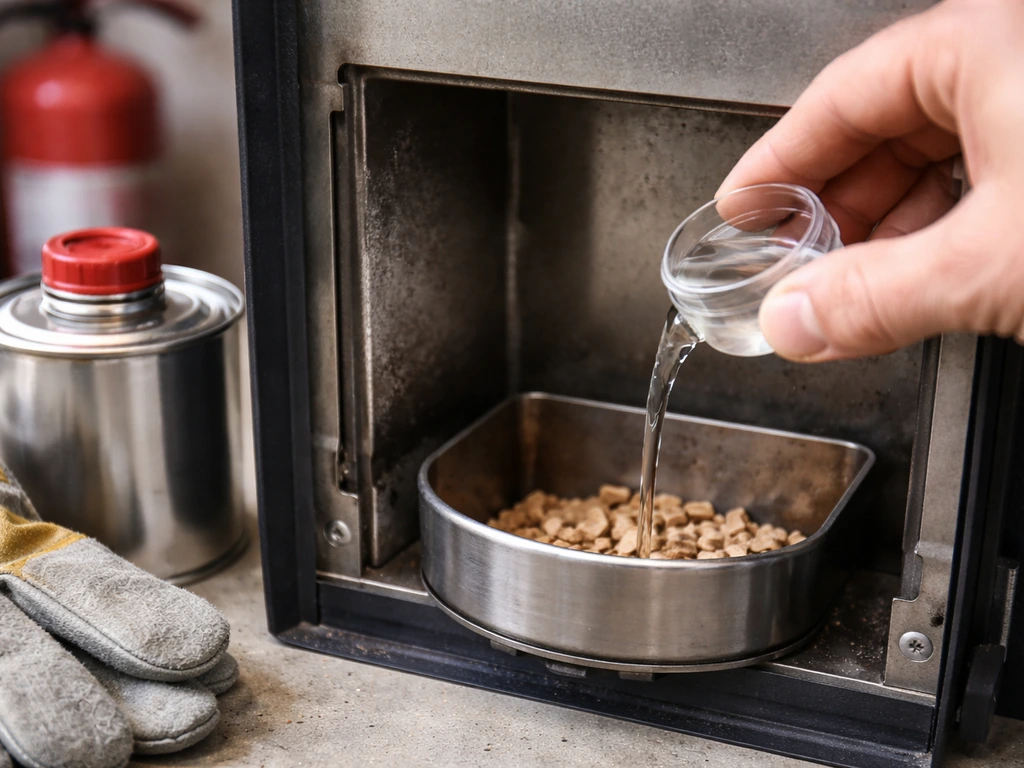
The amount of white spirit you use matters more than most people realise. The official Firestorm guidance says to use one cap-full (from their instructions/leaflet) or up to two cap-fulls (from their FAQ). If you're getting reliable ignition but the flame dies before the pellets catch properly, two cap-fulls is the answer. Too little starter fluid means the pellets don't reach ignition temperature before the white spirit burns off, and the whole thing goes out.
- Pour the white spirit directly into the burning chamber, onto the pellet bed, before inserting the glass tube.
- Use a long-reach lighter to ignite through the top of the burning chamber. A short lighter or matches puts your hand dangerously close to the initial flare-up.
- After lighting, slide the glass tube down through the top ring and seat it firmly on the burn chamber. This step is critical for creating the correct airflow draft. A loose or misaligned tube will starve the flame.
- Wait 15 minutes for the flame to reach full height. Many people assume something is wrong during this warm-up phase. It isn't. This is normal.
Ignition system checks
Firestorm heaters don't have a piezo spark igniter, electronic ignition switch, thermocouple, or wiring harness. The ignition system is entirely manual: white spirit plus a long-reach lighter. This actually simplifies troubleshooting considerably, because if the heater won't light, the fault is almost always one of three things: the starter fluid isn't reaching the pellets properly, the lighter flame isn't getting far enough into the chamber, or the pellets are too damp to catch.
- Make sure the burn chamber grid is correctly seated in the air intake at the base before adding pellets. The grid supports the pellet bed and allows air to flow up through the fuel. Without it, air circulation is wrong and ignition is unreliable.
- Fill the hopper with pellets, then pour white spirit on top of the pellet surface in the burn chamber (not into the hopper tube).
- Insert the long-reach lighter into the top of the burn chamber and hold the flame at pellet level until ignition. Don't just flick and pull out immediately.
- Once you see a small flame establish, immediately slide the glass tube down into position. The tube creates the chimney effect that keeps the flame going and encourages the pellets to catch progressively.
If the flame pops briefly and then goes out every single time, the pellets genuinely aren't catching. Try two cap-fulls of white spirit on the next attempt and make sure you're using fresh, dry, A1-grade pellets. Consistent failure at this stage is almost always a fuel quality issue.
Safety shutoff diagnosis
Propane patio heaters use thermocouples and ODS (oxygen depletion sensors) along with tilt and vibration switches as automatic safety shutoffs. Firestorm wood-pellet heaters don't have any of these electronic or mechanical shutoff systems. There's no thermocouple to clean or replace, no tilt switch to reset, and no ODS pilot to keep lit.
What Firestorm heaters do have is a manual pellet release door (on the Flamenco) that lets you dump the pellet load back into the bag to extinguish the heater. If pellets are spilling out unexpectedly or the door isn't seating properly, that's worth inspecting for physical damage or misalignment. It's a mechanical latch, not a safety sensor, so inspection and gentle adjustment are the fix. Check that the door closes flush and that no pellets are jamming the seal.
If you've come to this article from a broader search about patio heater shutoff faults, thermocouple replacements, or tilt switch resets, those issues apply to propane/LP heaters rather than Firestorm's wood-pellet range. The diagnostic logic for those problems is different and worth exploring separately.
Burner, airflow, and cleanliness
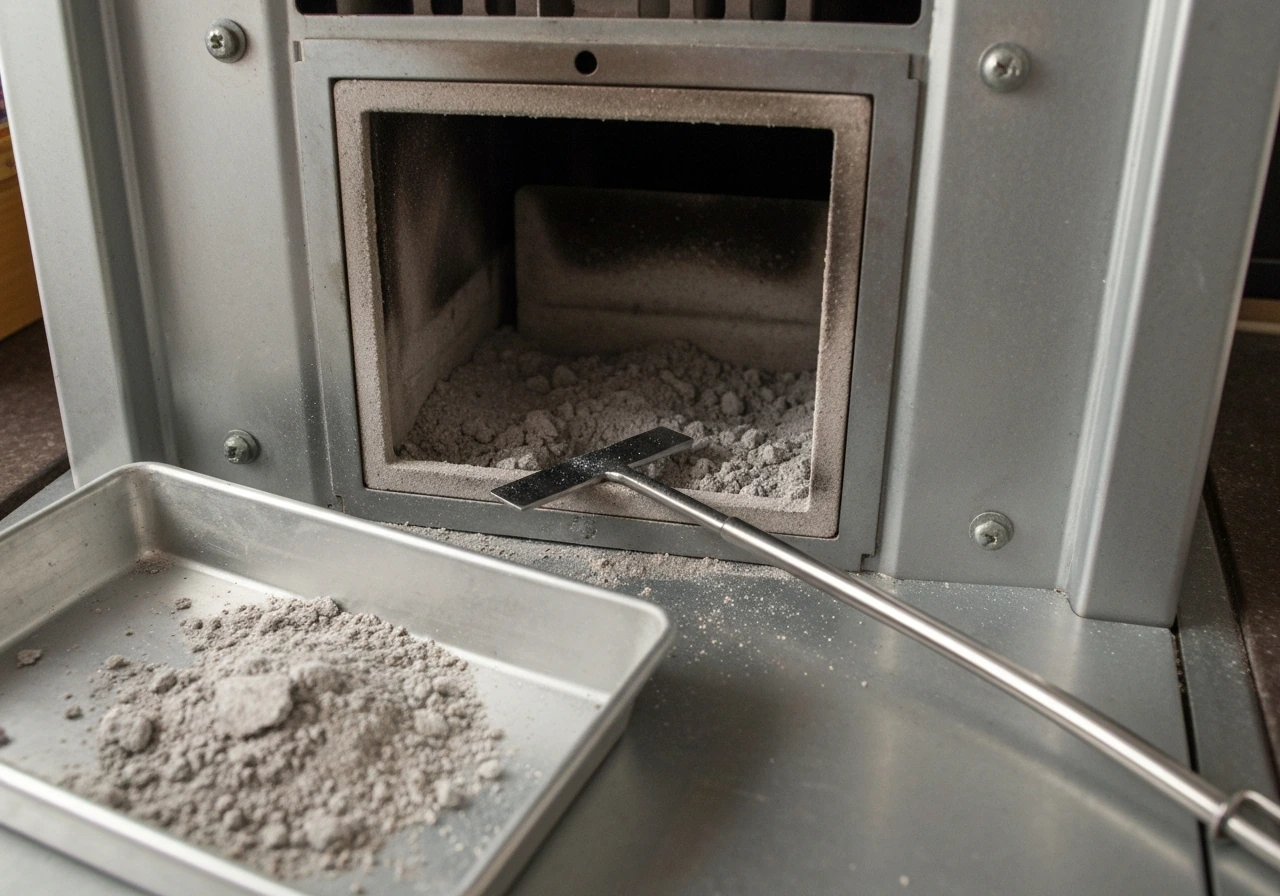
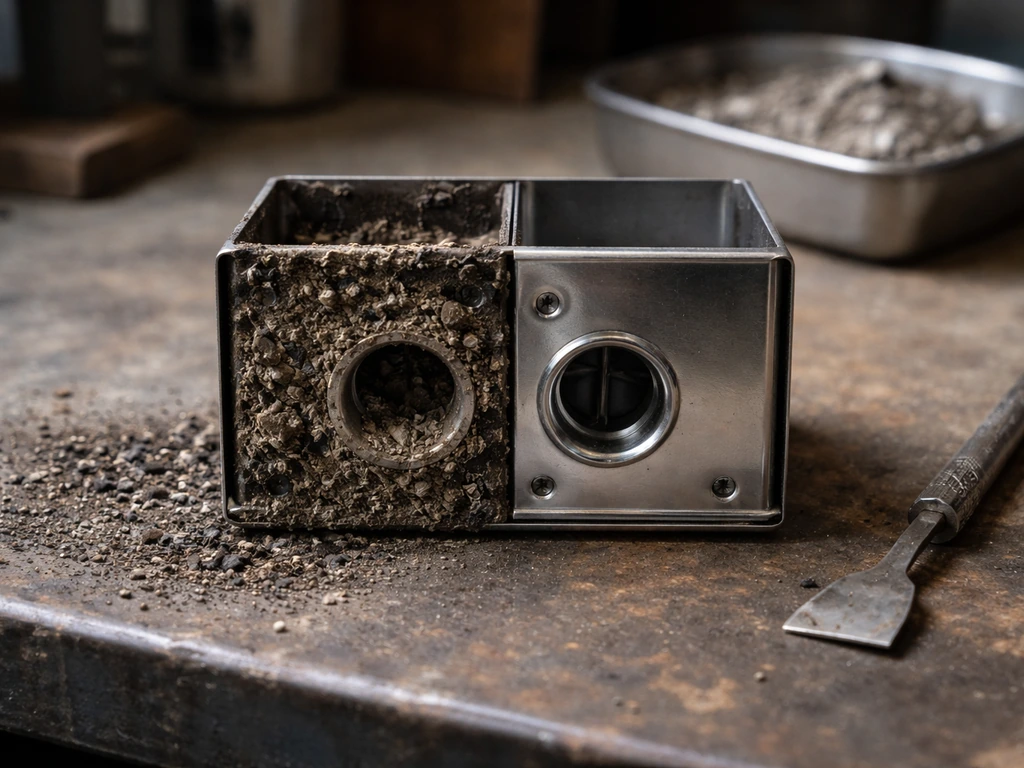
This is where most ongoing performance problems live once the heater has been used a few times. Ash accumulates in the burn chamber and air intake area, and if you don't clear it regularly, it progressively chokes the airflow that the flame depends on. Firestorm’s FAQ also advises protecting the heater’s air intake area, particularly the bottom of the round tube, to help mitigate smoking risk. A flame that used to reach full height but now stays small and smoky is almost always an ash buildup problem.
Clearing ash from the burn chamber
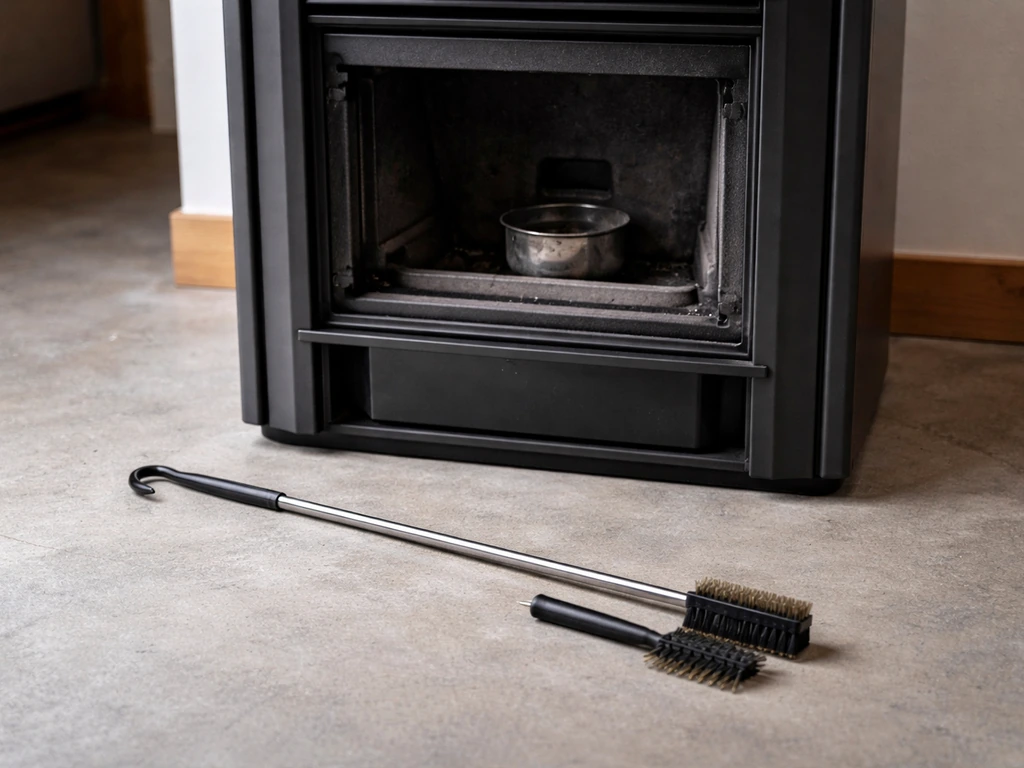
Firestorm supplies a poker, scraper, and ash tray specifically for this job. Once the heater is completely cool, remove the glass tube and clean it with the included sponge cleaner, and clean ash using the scraper and poker tools in the accessory kit. The Phoenix design allows you to scrape ash out through the open bottom or access door during use, though you need to be careful handling anything near an active fire. The safer approach is to do a full ash clear before each session when the unit is completely cold.
- Wait until the heater is completely cold (at least 30 minutes after extinguishing, longer is better).
- Remove the glass tube by lifting it up and out of the top ring. Set it aside on a safe surface.
- Use the scraper to loosen compacted ash from the walls and floor of the burn chamber.
- Collect ash in the ash tray. Dispose of it carefully since residual embers can persist longer than expected.
- Check the air intake grid at the base of the burn chamber. Clean ash and debris off the grid with a dry brush or cloth. A blocked grid is one of the most common reasons for a weak, smoky flame.
- Wipe down the inside of the glass tube with the supplied cleaning sponge. Soot on the glass doesn't just look bad, it reduces the radiant heat output noticeably.
Wind and airflow interference
Firestorm's own instructions specifically call out wind as a problem, and it's one that catches people out. The Phoenix draws air upward through the base grid, through the pellet bed, and up the glass tube. Even a moderate crosswind disrupts this convection column. The fix is simple: site the heater with its lower portion shielded from the prevailing wind direction, using a wall, fence, or purpose-made windbreak. Don't try to compensate by using more white spirit. The flame will establish much more reliably once the wind issue is addressed.
Step-by-step fixes and test relight procedure
Work through this sequence when you want to systematically rule out each fault and get the heater running again. This covers the most common fixes in order of likelihood.
- Full cold clean: Remove the glass tube, scrape and empty all ash from the burn chamber, clean the air intake grid, and wipe the glass tube. This alone fixes a large percentage of performance complaints.
- Check your pellets: Open a fresh bag of ENplus A1 pellets. Compare them to your current supply. Fresh pellets are firm, uniform in size, and have no powdery residue. Discard any that are soft, crumbling, or smell musty.
- Check the glass tube fit: Reseat the glass tube before lighting. It should sit flush on the burn chamber lip with no gaps around the base. Gaps break the chimney draft.
- Reload and apply white spirit: Fill the hopper, pour two cap-fulls of white spirit onto the pellet surface in the burn chamber, and wait 15–20 seconds for it to soak in slightly before lighting.
- Light and seal: Use a long-reach lighter, get the flame to pellet level, and hold it there for 3–5 seconds until you see the white spirit catch. Immediately slide the glass tube into position.
- Wait 15 minutes: The flame should climb progressively up the tube. If it reaches the top and holds steady, the heater is working correctly.
- Monitor ash during extended use: For longer sessions on the Flamenco (4+ hours), check the ash level every hour and clear if accumulation is visibly reducing the burn bed depth.
If you've run through all of the above and the heater still won't perform, the next most likely physical fault is a cracked or poorly fitting glass tube affecting the draft. Hold the tube up to light and inspect the full length for hairline cracks, particularly around the base where it seats on the burn chamber. A cracked tube needs to be replaced, not used.
When to stop DIY
Most Firestorm heater problems are genuinely fixable at home without specialist knowledge. But there are situations where you should stop, step back, and either contact Firestorm directly or accept that a part needs professional assessment.
- Cracked glass tube: Do not operate the heater with a cracked borosilicate tube. Flying glass fragments from thermal shock are a serious injury risk. Order a replacement tube from Firestorm before using the heater again.
- Damaged burn chamber or hopper: If the burn chamber has visible distortion, cracks, or corrosion holes, or if the pellet hopper is compromised, contact Firestorm for parts guidance. Operating with a structurally damaged burn chamber is a fire risk.
- Pellet release door on the Flamenco won't latch or seal: If the door is physically damaged and can't be closed properly, pellets can escape during a burn. This is a fire hazard, not a minor inconvenience.
- Persistent smoke without flame on fresh pellets: If you've cleaned the unit thoroughly, used fresh A1 pellets, and the heater still produces heavy smoke with little or no flame, there may be a structural airflow issue that warrants a call to Firestorm customer support.
- Any burn or scorch marks on external surfaces outside the glass tube area: This suggests flame or heat is escaping where it shouldn't be. Stop using the heater immediately.
Finding your model manual and genuine replacement parts
Firestorm publishes their Assembly and Lighting Instructions, maintenance leaflets, and PDF resources through the official Firestorm Heaters website. Before ordering any replacement part, cross-reference your specific model name (Phoenix, Flamenco, or otherwise) against the assembly diagram in the correct PDF. The Phoenix and Flamenco have different glass tube dimensions and burn chamber configurations, so a part that fits one won't necessarily fit the other. When in doubt, contact Firestorm directly with your model name and the part you need. If you need a patio heater top replacement, make sure you identify the correct model and part before ordering, because Firestorm components vary by design. Using non-genuine replacement glass or burn chamber components on any open-flame appliance is a risk that isn't worth taking to save a few pounds.
Also worth noting: the Firestorm range is distinct from the broader category of propane-fueled patio heaters you'll find at most garden centres. If you've arrived here from a general search about a broken patio heater or a heater that won't stay lit and your unit runs on propane rather than wood pellets, the diagnostic path is quite different and covers components like thermocouples, ODS pilots, and tilt switches that simply don't exist on the Firestorm wood-pellet models.
FAQ
How can I tell if my Firestorm heater issue is from pellets, ignition fluid, or airflow (ash or wind)?
Do a quick sequence test: if it fails to ignite every time, suspect pellet catch (damp or wrong grade) or starter fluid reaching the pellet bed. If it ignites but quickly dies, the common cause is too little white spirit. If it stays lit but becomes smaller, smoky, or slow to recover, focus on ash buildup and draft (including crosswind).
What should I do if I accidentally used too much white spirit during lighting?
Stop the attempt, let the heater cool fully, then clear residual fuel and ash before trying again. Overuse can delay ignition and increase flare risk as the extra distillate burns off before the pellets reach stable combustion. Use only the cap-full guidance from Firestorm for your model.
Can I reuse pellets after a failed lighting attempt?
If pellets sat damp or were exposed to incomplete ignition residue, dry storage is key. For best results, use fresh, dry ENplus A1 pellets. Reusing compromised pellets commonly causes repeat “won’t stay lit” behavior even when white spirit amount is correct.
My flame lights but shoots out or burns unevenly. Is this a normal behavior?
It’s usually a sign of disrupted airflow or a partially blocked burn path. Check for ash in the air intake area and confirm the glass tube is seated correctly and not tilted. Also ensure the pellet load is distributed properly, and that the Flamenco pellet release door (if fitted) is closing flush.
How do I check whether the glass tube is seated correctly without damaging it?
Only inspect when fully cold. Look for even seating around the base where it mates to the burn chamber, and confirm there are no visible gaps or wobble. If it is cracked or you see hairline fracture lines, replace it. Avoid forcing the tube into place, borosilicate can fail from stress.
What’s the safest way to clean ash during a session versus waiting until the unit is cold?
During operation, only use the tools provided and avoid reaching near the active flame or glowing surfaces. If you notice performance dropping, plan a full cold clean after shutdown rather than doing repeated mid-burn scraping. Mid-session cleaning increases burn risk and can disturb the pellet bed.
How often should I clear ash, and how can I tell when it’s overdue?
A good practical trigger is monitoring flame height and smoke. If the heater’s flame gets lower than it used to be, or it turns more smoky than before, ash is likely restricting airflow. In that case, clear it before using again at the same setting to prevent persistent draft problems.
What if my heater keeps going out after I reposition it or it’s in a breezy location?
Repositioning can shift the draft pathway and worsen crosswind effects, especially on models that draw upward through the base grid and glass tube. Use a fixed windbreak or place the heater so the lower portion is shielded from prevailing wind. Don’t try to solve wind problems by adding extra starter fluid.
I bought pellets labeled as ENplus A1, but ignition is still poor. What else should I check?
Check moisture exposure after purchase (bag left outside, storage in a damp shed, or condensation). Even A1-rated pellets can underperform if they absorb moisture. Also inspect the hopper and burn chamber for ash or residue that can keep pellets from igniting evenly.
The Flamenco pellet release door seems to leak pellets. Can that be fixed without parts?
Often yes. Verify the door closes flush and that nothing is jamming the seal area. Check for physical misalignment or damage on the latch surfaces. Because it is a mechanical release (not a safety sensor), gentle adjustment and clearing any obstruction usually resolves unexpected pellet spilling.
Is it safe to troubleshoot while the heater is still warm or partially cooled?
No. For anything involving the glass tube, fuel residue, or ash handling, wait until the heater is completely cold. Residual heat and hot embers can cause burns or ignite nearby flammables, and warm borosilicate is more vulnerable to stress cracking.
When should I stop DIY and contact Firestorm or a technician?
Stop if you find a cracked glass tube, repeated ignition failures after verified pellet grade and correct white spirit dosing, or if a part does not seat properly on the model-specific assembly diagram. Also stop if you suspect incorrect components were installed, since mixing Phoenix and Flamenco parts can create airflow and fitment faults.