
The correct manual for the Tall Mocha Mainstays patio heater is the "Standing Patio Heater Owner's Manual and Safety Instructions" covering item 96054 (Mocha) and 96053 (Bronze). It's a propane-only unit, and that one PDF covers assembly, operation, maintenance, and cleaning for both color variants. If you can confirm your heater matches item 96054, you have the right document. From there, most ignition and stay-lit problems trace back to a dirty or failed thermocouple, a tripped tilt switch, a clogged burner orifice, or a low/empty propane tank, and all of those are fixable at home with basic tools.
Tall Mocha Mainstays Patio Heater Manual Guide and Troubleshooting

Grant Mercer
1 Jun 2026
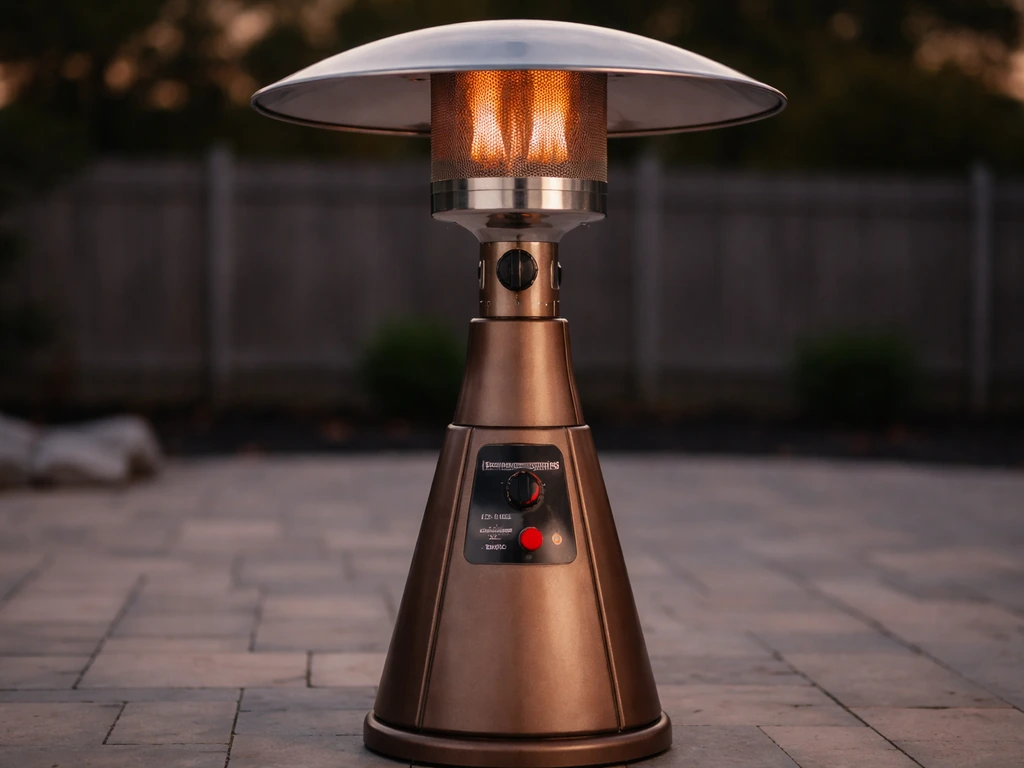
Identify your exact Tall Mocha Mainstays model first
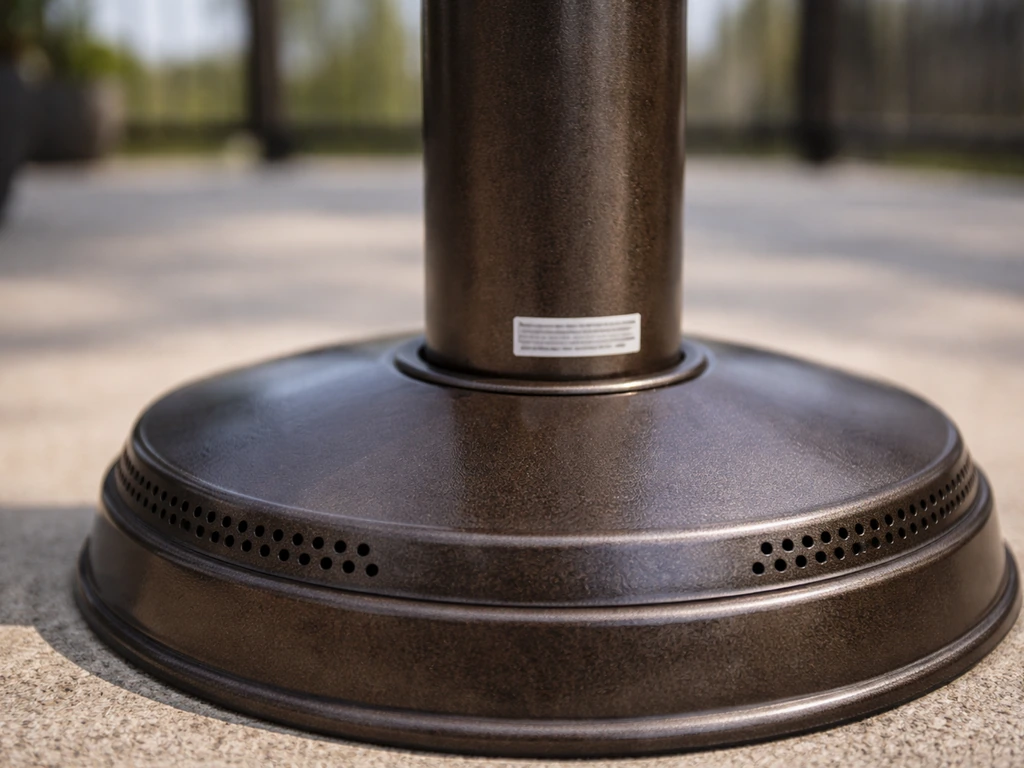
Before downloading any manual, spend two minutes confirming you have the right unit. Mainstays has sold several patio heater variants over the years, including models with longer alphanumeric numbers like MSS136144273001, and grabbing the wrong PDF will give you mismatched assembly diagrams and incorrect parts lists. Here's how to pin down exactly what you have.
- Item number tag: Look for a sticker on the base or lower pole of the heater. The Tall Mocha variant will show item 96054. Bronze is 96053. If you see a different number, you may have a different generation.
- Fuel type: This heater runs on propane only. It uses a standard 20 lb propane tank (12-inch diameter, 18-inch height) stored in the base cabinet. If your heater has a natural gas line or a different tank setup, it's a different model entirely.
- Control knob: The 96054 has a single push-and-turn knob that doubles as the igniter. There's no separate igniter button on this model.
- Serial number: The manual instructs you to write the serial number on the back page near the assembly diagram. If your unit has no visible serial tag, the manual says to note the month and year of purchase instead.
- Visual profile: This is a full-height mushroom-style standing patio heater, roughly 87 to 90 inches tall, with a reflector dome on top and a mesh side panel on the base cabinet. The color is mocha (a warm brown/tan tone).
If your heater matches all of those points, you're looking at a 96054. If it doesn't quite match, especially if the tank is stored differently or the controls look different, search for your exact item number before proceeding.
Finding and verifying the right manual
The authoritative PDF for item 96054 is the "Standing Patio Heater Owner's Manual and Safety Instructions" hosted on the Home Depot static catalog domain (images. thdstatic. com). You can find it by searching "Mainstays 96054 patio heater manual" or "Mainstays 96053 96054 standing patio heater owner's manual.
If you have a Belleze model instead, use the Belleze patio heater manual for the exact compatibility checks and troubleshooting steps. For Infinity Glo units, you can usually get the correct infinity glo patio heater manual by searching your exact model number and item reference first Mainstays 96054 patio heater manual.
If you need the exact Cuisinart-style tabletop patio heater manual for your model, match the item number first and then follow the correct PDF Mainstays 96054 patio heater manual. " Because both color variants share one document, either item number will pull up the same PDF.
When you open the PDF, verify these details before using it: the header should clearly read "STANDING PATIO HEATER" and list both item numbers 96053 and 96054. The quartz glass tube in your patio heater can be handled more safely when you follow the quartz glass tube instruction manual guidance for inspection and replacement. [The manual must specify propane gas as the fuel source. ](https://images.
thdstatic. com/catalog/pdfImages/d2/d2a9ebb9-aa3b-4608-a1e1-dae9de5491b8. pdf) It should include sections on assembly, operating instructions, inspection, maintenance, and cleaning. If any of those are missing or the item numbers don't match, close it and keep searching.
There are additional Mainstays patio heater manuals floating around (including a separate user manual also hosted on the Home Depot static domain), and using the wrong one for assembly or parts reference creates real problems.
Once you have the correct PDF, write your serial number or purchase date on the back page as the manual instructs. This saves you a second round of searching the next time something needs attention.
Safety basics you need to do before anything else
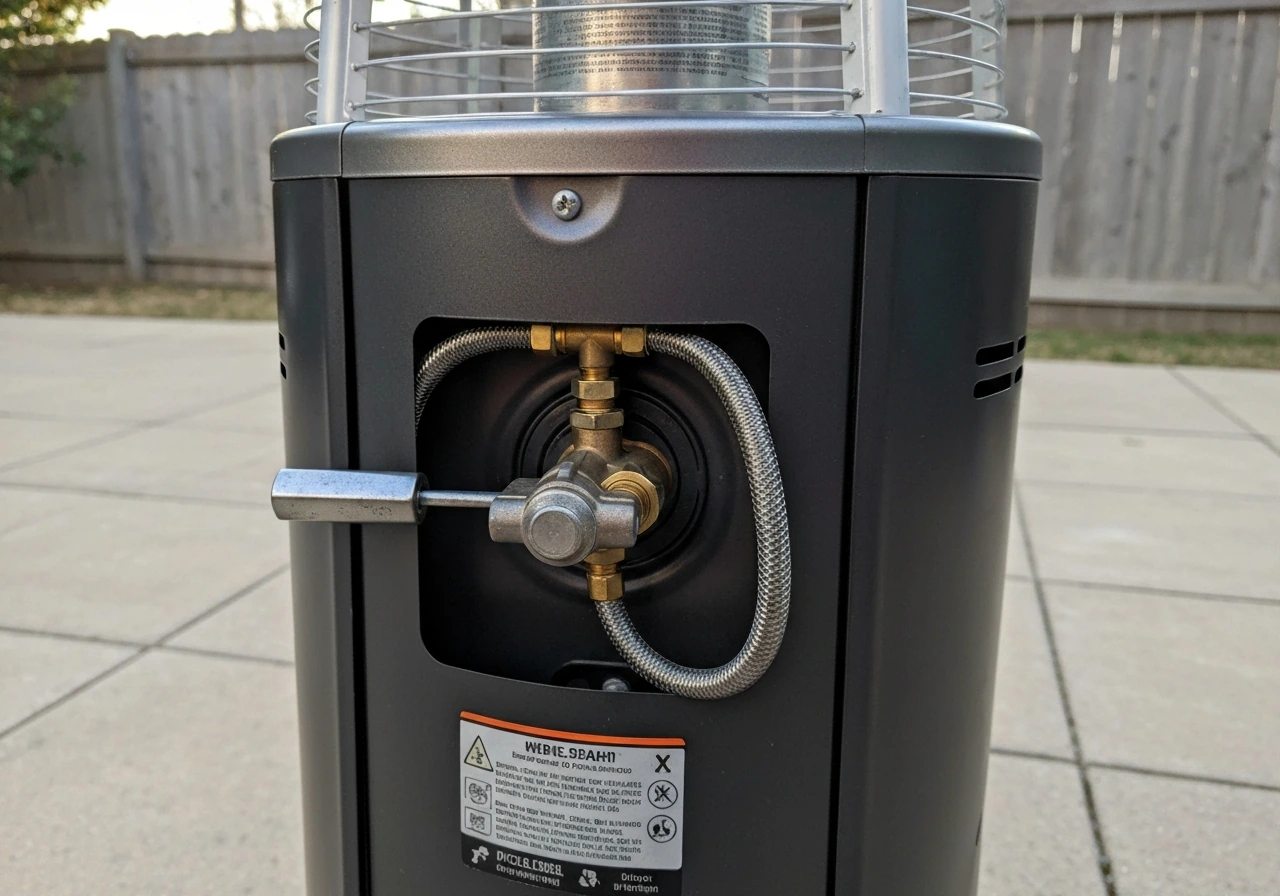
Patio heaters combine propane gas with an ignition system, and skipping safety steps is how small problems become dangerous ones. The manual is explicit about several non-negotiable rules, and I want to reinforce them clearly here because they apply to every diagnostic step that follows.
- Outdoor use only: This heater is for outdoor use exclusively. Never operate it in a garage, tent, screened porch, or any enclosed or semi-enclosed space. Propane combustion consumes oxygen and produces carbon monoxide. Even a partially enclosed area is a risk.
- Smell gas? Stop immediately: If you smell gas at any point, turn the control knob to the off position, close the propane tank valve, move away from the heater, and do not use any ignition source including your phone. Ventilate the area and don't return until the smell is gone.
- Leak test with soapy water, not flame: When you reconnect the regulator or any gas fitting, mix dish soap and water and brush it on every connection. Bubbles mean a leak. The manual says explicitly: never use a flame to check for leaks.
- Clearance requirements: Keep at least three feet of clearance from the sides of the heater and two feet above the top dome, away from any combustible materials including overhead structures, umbrellas, and fabric.
- Never touch the tank while lit or hot: Don't install or remove the propane cylinder while the heater is lit or while any part of the heater is still hot to the touch. Let it cool completely first.
- Know where the shutoff is: The propane tank valve is your emergency shutoff. Make sure you can reach it and turn it closed quickly if needed.
The most common failure points and what they look like
Most Mainstays patio heater problems fall into a handful of categories. Knowing which symptom you're dealing with points you directly to the right diagnostic path.
| Symptom | Most likely cause | Where to start |
|---|---|---|
| Igniter clicks but no flame | Empty/low propane, clogged orifice, or bad igniter electrode | Check tank level first, then inspect electrode gap |
| Igniter won't click at all | Dead piezo igniter or broken wire connection | Test with a long lighter; replace igniter if flame lights but piezo won't spark |
| Lights but goes out within 30 seconds | Thermocouple not heating fast enough or dirty/failed | Inspect and clean thermocouple tip; test continuity if possible |
| Lights, stays lit briefly, then goes out again | Tilt switch tripped or faulty | Check heater is on level ground; inspect tilt switch wiring |
| Weak or yellow flame instead of blue | Clogged burner ports or low gas pressure | Clean burner ports; check regulator and tank pressure |
| Gas smell but no ignition | Leak at connection or flooded burner | Shut off tank immediately; perform soapy water leak test |
Step-by-step thermocouple, tilt switch, and ignition troubleshooting
When it clicks but won't light
- Check the propane tank first. A half-empty tank can have enough gas to register on the gauge but deliver too little pressure to light reliably, especially in cold weather. If the tank feels light or reads below 20%, swap it.
- Make sure the regulator is fully connected and hand-tight. A loose connection causes low pressure. After tightening, always re-do the soapy water test on that fitting.
- Look at the igniter electrode. It's the small metal tip positioned near the burner head. The gap between the electrode tip and the burner body should be roughly 3 to 4mm (about the thickness of a coin). If it's bent away or corroded, clean it with fine-grit sandpaper and reposition it.
- Try lighting with a long fireplace lighter through the burner access port. Push the control knob in and turn it to the pilot/low position, hold it down, and introduce the flame. If the heater lights this way, your igniter is the problem, not the gas system.
- If the heater won't light even with a match or lighter, the issue is fuel delivery: check the orifice (the small brass jet at the base of the burner) for blockage using a thin needle or compressed air.
When it lights but won't stay lit
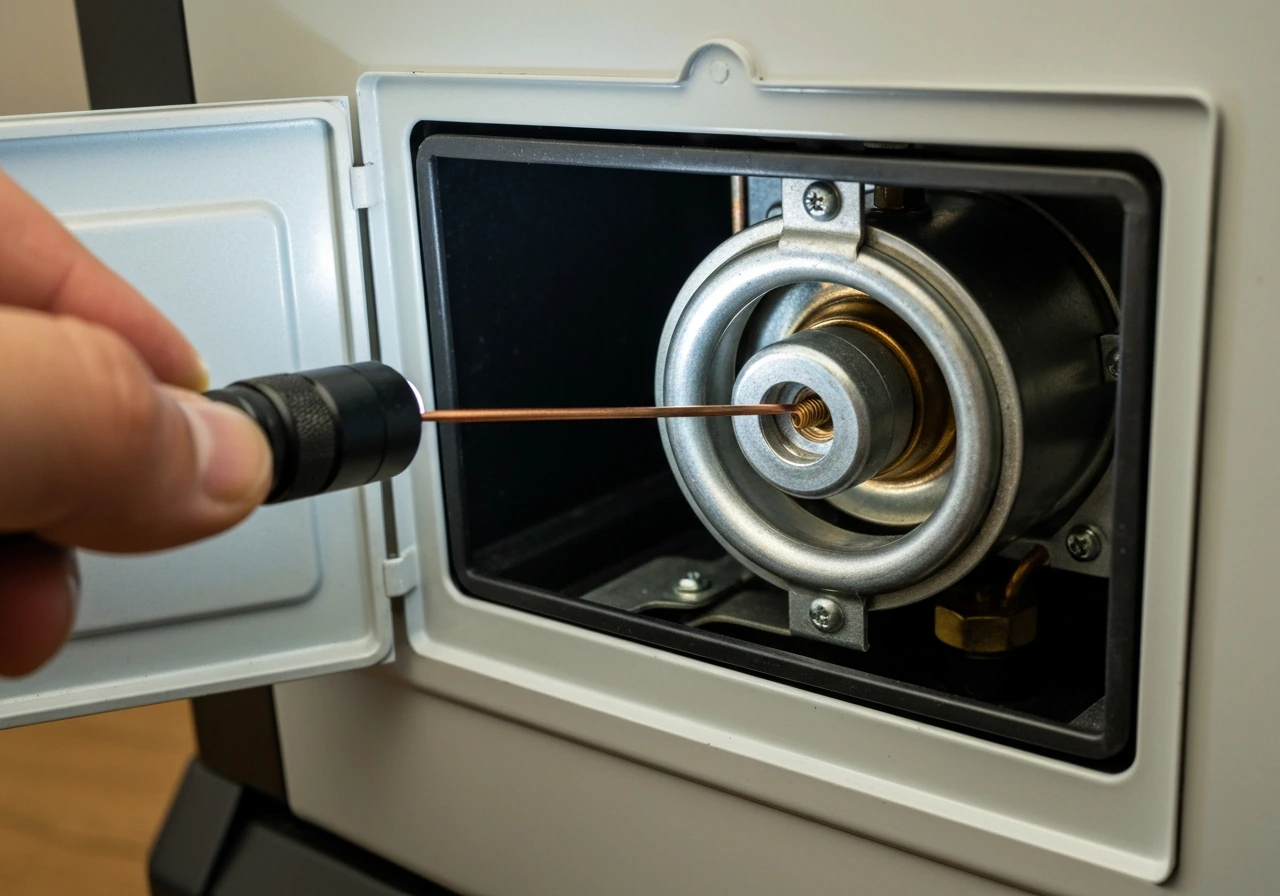
This is almost always the thermocouple. The thermocouple is a thin copper or steel probe that sits in the pilot flame. When heated, it generates a small voltage that tells the gas valve to stay open. If it's dirty, bent away from the flame, or has failed, the valve shuts the gas off within 15 to 30 seconds, which is exactly what you're experiencing. For thermo tiki outdoor propane patio heater manual details, follow the same safety and diagnostic sections that match your exact model.
- Turn off the gas completely and let the heater cool for 10 minutes.
- Locate the thermocouple. It's the thin metal probe positioned so its tip sits in the pilot flame path. On this heater, it's typically visible near the burner assembly.
- Inspect the tip. If it's coated with soot, carbon, or oxidation, clean it gently with fine steel wool or 400-grit sandpaper. Do not use water.
- Check that the thermocouple tip is positioned directly in the pilot flame path. If it's bent away, the flame won't heat it properly. Carefully bend it back using needle-nose pliers so the tip sits about 3/8 to 1/2 inch into the flame.
- Relight and hold the control knob pushed in for a full 30 to 45 seconds before releasing. This gives the thermocouple enough time to reach operating temperature. If you release too quickly, the valve closes and the flame dies.
- If the problem persists after cleaning and repositioning, the thermocouple has likely failed and needs replacement. Thermocouples are universal parts and inexpensive, usually under $15. Match the thread size on the connector and the length of the probe.
Checking the tilt switch
The tilt switch is a safety device that shuts off gas flow if the heater tips over. It's typically a small mercury or ball-bearing switch mounted inside the heater base. If the heater is on uneven ground, if the switch has shifted out of position, or if the wiring to it is loose or broken, it can trigger a false shutoff even when the heater is perfectly upright.
- Make sure the heater is on a completely flat, stable surface. Even a slight lean can trip a functioning tilt switch.
- Turn off the gas and let the heater cool. Access the base cabinet by removing the lower panel (usually secured with a few screws).
- Locate the tilt switch. It's a small cylindrical or rectangular component with two wires attached, usually mounted near the base of the pole.
- Inspect the wiring. Look for loose connectors, broken wire insulation, or corrosion at the terminals. Reseat any loose connectors.
- Test the switch with a multimeter set to continuity mode. When the heater is upright and level, the switch should show continuity (closed circuit). If you get no continuity while the heater is level, the switch has failed and needs replacement.
- Tilt switch replacements are model-specific in their mounting but electrically generic. Search for the part using item number 96054 or take the existing switch to a hardware store for a match.
Persistent clicking igniter
If the igniter keeps clicking on its own or won't stop, the igniter module is either damaged or moisture has gotten into the spark pathway. Dry the electrode area thoroughly with a cloth and let it air out for an hour. If clicking continues with the knob in the off position, the piezo module itself has shorted and needs replacement.
Assembly, parts compatibility, and what to replace
The 96054 is a standard mushroom-style propane patio heater, and most of its consumable parts are compatible with generic replacements as long as you match the key specs. The manual covers assembly in detail, but here are the practical compatibility notes you need when sourcing parts.
- Propane regulator: The heater uses a standard low-pressure regulator with a maximum inlet supply pressure of 11 inches water column (2.74 kPa). Any replacement regulator for a propane patio heater rated to this spec will work.
- Propane tank: Must be a standard 20 lb cylinder with a 12-inch diameter and 18-inch height, set up for vapor withdrawal. Liquid-withdrawal tanks won't work and are dangerous in this application.
- Thermocouple: Universal thermocouple replacement kits work. Match the probe length (typically 24 to 30 inches for tall patio heaters) and the 7/16-inch connection thread that's standard on most patio heater gas valves.
- Igniter/piezo module: Search for a replacement piezo igniter kit for a mushroom patio heater. The electrode wire length matters, so measure before ordering.
- Tilt switch: Generic patio heater tilt switches work if the connector type matches. Bring the old one with you when sourcing a replacement.
- Burner orifice: This is the most model-specific part. Contact Mainstays customer service or the retailer with item number 96054 to get the correct orifice size for propane operation.
If you're reassembling the heater after a parts replacement, follow the assembly diagram in the manual carefully. The pole sections and gas line must be routed correctly through the pole before the sections are joined, because you cannot thread the gas line through after the heater is assembled. This is the step most people get wrong during DIY reassembly.
Maintenance that keeps it running season after season
Most of the problems described above are entirely preventable with seasonal maintenance. The manual covers inspection and cleaning, and these are the steps that actually make a difference in the field.
Burner and orifice cleaning
Bugs, spider webs, and dust are the number one cause of clogged burner ports on patio heaters that sat in storage. Before the first use of the season, remove the emitter screen and inspect the burner ports for debris. Use a soft brush and compressed air to clean them out. Never use water directly on the burner assembly. The orifice (the small brass jet) can be cleaned with compressed air from a can; never use a wire or drill bit to ream it out because even a small enlargement changes the fuel-air ratio and creates a dangerous flame.
Gas connection and regulator checks
At the start of each season and any time you swap propane tanks, do a full soapy water leak test on every connection: the tank valve, the regulator coupling, and anywhere the gas line connects inside the pole. Regulators have a lifespan of roughly 5 to 10 years and can degrade internally without showing external damage. If your heater has persistent low flame or pressure issues and you've ruled out a low tank and a clogged orifice, replacing the regulator is the next logical step and it's a $20 to $30 fix.
Thermocouple and igniter maintenance
Once a season, clean the thermocouple tip with fine steel wool and check that it's still positioned correctly in the pilot flame path. Clean the igniter electrode with a dry cloth and check the gap. If the electrode shows heavy pitting or cracking, replace it before the season starts rather than waiting for it to fail mid-use.
Storage and cover use
Always close the propane tank valve when the heater is not in use, and use a patio heater cover when storing it outdoors. Moisture is the main enemy of the igniter and burner assembly. If you're storing the heater through winter, disconnect the propane tank entirely and store the tank outdoors (never indoors or in an attached garage). Cover the burner opening with a plastic bag secured with a rubber band to keep insects out.
When to stop and get professional help
If you've done the leak test and found a leak you can't stop by tightening fittings, stop there. Don't attempt to repair propane gas lines or valves yourself. Similarly, if the gas valve itself is sticking, passing gas when the knob is in the off position, or not responding normally, that's a valve replacement or professional service call situation. The same goes for any visible damage to the gas line running through the pole.
These heaters are worth repairing, but not at the cost of a gas leak. Other brands like the Bali Outdoors portable patio heater, Belleze, and Sunbeam Patio Master share similar thermocouple and tilt switch designs, so if you're troubleshooting a different unit alongside this one, many of these same steps apply.
FAQ
How can I tell if my Tall Mocha Mainstays heater uses the same manual even if the color or label looks different?
Check the PDF header for “STANDING PATIO HEATER” and confirm it lists both item numbers 96053 and 96054. Then match the item number printed on your heater’s rating plate or sticker, not the color of the pole. If the manual does not explicitly list propane as the fuel, stop and keep searching, even if the heater looks similar.
My heater lights for a few seconds and then shuts off, what should I try first?
Focus on the thermocouple. Verify it is clean and that its tip sits in the pilot flame path. If cleaning and repositioning do not restore consistent stay-lit operation, test for a bent or failed thermocouple and replace it rather than repeatedly relighting while it is misaligned.
The igniter keeps clicking, but the burner will not ignite, what does that usually mean?
Most often it is moisture or a faulty spark path. Dry the electrode area thoroughly with a cloth and let it air out for about an hour, then try again. If it still clicks with the control knob in the off position, the igniter module is likely shorted and needs replacement.
What is the quickest way to rule out a false tilt-switch shutdown?
Place the heater on a level, non-slope surface, then make sure the base is not shifted after assembly. If you suspect wiring issues, inspect for loose or broken connections to the tilt switch, because a mechanically shifted switch or damaged wiring can trigger shutdown even when upright.
Where exactly should I perform the leak test each time I connect a new propane tank?
Do a full soapy water test on every connection you touched or that could have loosened: the tank valve interface, the regulator coupling, and each gas-line connection point inside the pole. If you see bubbles forming, do not use the heater, and do not try to repair fittings with adhesives or sealants not intended for propane.
Can I clean the burner or thermocouple with water to improve performance?
Avoid water on the burner assembly. Use compressed air and a soft brush for debris on the burner ports and keep water away from the ignition area, because moisture can trigger ignition failure. For the thermocouple tip, follow the manual guidance and clean it with fine steel wool rather than washing it.
Is it safe to adjust or enlarge the burner orifice if the flame looks weak or uneven?
No. Do not use a wire, drill bit, or any tool that enlarges the brass orifice. If the flame is weak and you already confirmed the tank is not empty, clean the orifice with compressed air and then consider other causes like a degraded regulator.
When should I replace the regulator on a Tall Mocha Mainstays 96054 unit?
If you have persistent low flame or pressure after ruling out an empty tank and a clogged burner orifice, replacing the regulator is the next step. Regulators typically last around 5 to 10 years and can degrade internally without obvious external damage.
Do generic parts work for the 96054, and what specs matter most?
In many cases, consumable parts can be replaced with compatible generics, but match key specs called out in the manual or on the part itself, such as fitment and connection style. The biggest DIY mistake is reassembly routing, especially the gas line through the pole before the sections join.
What is the most common reassembly mistake after servicing a part?
Routing the gas line through the pole. The gas line must be threaded through the pole sections in the correct order before joining the pole sections, because you cannot reliably thread it after the heater is assembled.
How should I store the heater through winter to prevent ignition problems?
Close the propane tank valve when not in use, cover the heater if storing outdoors, and for winter storage disconnect the propane tank entirely. Store the tank outdoors, never indoors or in an attached garage. Also protect the burner opening from insects by covering it with a plastic bag secured with a rubber band.
What should I do if I find a leak that I cannot fix by tightening connections?
Stop using the heater. Do not attempt to repair propane gas lines, valves, or regulators yourself. Instead, have the component replaced or serviced by a qualified person, since a leak that will not seal safely can escalate quickly.
Can I troubleshoot these steps on a similar brand like Belleze or Bali if I do not have its manual?
Some components behave similarly, like thermocouples and tilt safety switches, so the general diagnostic approach can be shared. However, still match the correct manual for your exact model because assembly layout and parts fitment can differ, and safety steps can vary between brands.