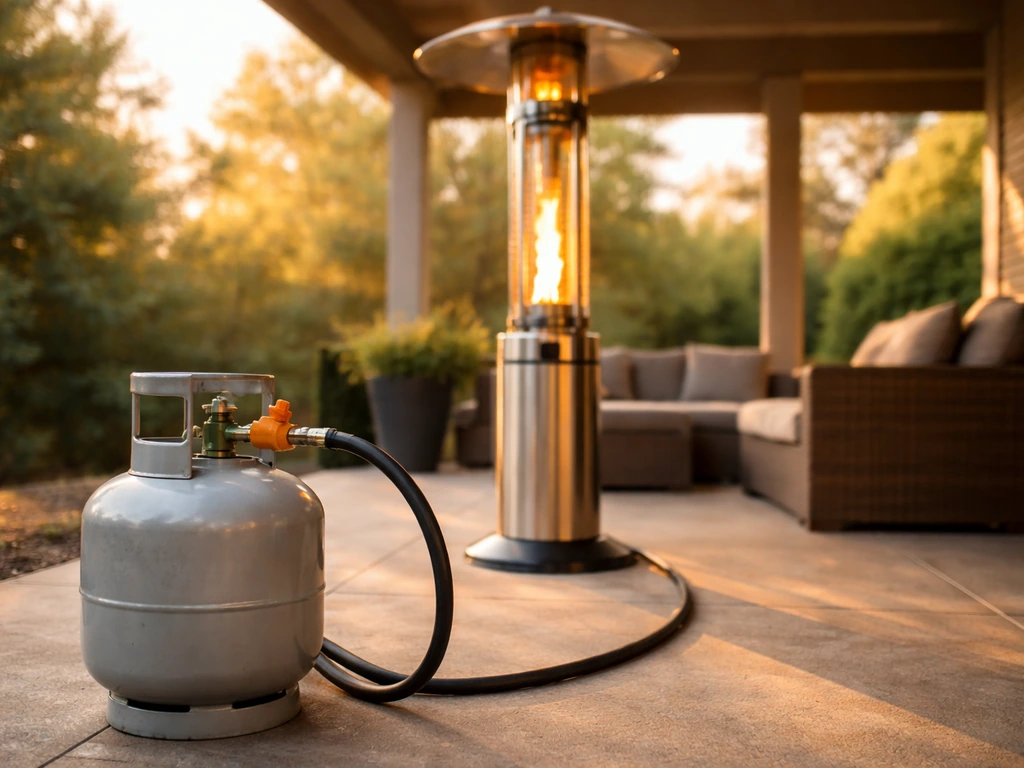
For most full-size freestanding patio heaters running at 40,000 to 50,000 BTU/hr, a 20 lb (roughly 9 kg) propane cylinder is the standard go-to. For example, a 40,000 BTU/hr patio heater is estimated to use about 0.44 gallons of propane per hour, and a 20-lb tank typically provides roughly 8 to 10 hours at max output blank" rel="noopener noreferrer">40,000 BTU/hr patio heater consumes propane at about 0.44 gallons per hour. It gives you around 8 to 10 hours of runtime at max output, which covers a long evening with room to spare. On a 48,000 BTU/hr patio heater, runtime depends on your propane cylinder size, typically giving around 8 to 10 hours at maximum output for a 20 lb cylinder 48,000 BTU patio heater how long does it last. If you want a direct answer for your situation, the key factor is how many hours your propane (or LPG) cylinder will last at your heater's BTU rating how long do patio heaters burn. If you want to run the heater across a full weekend without swapping bottles, step up to a 33 lb (15 kg) or 47 lb (20 kg) cylinder. Smaller tabletop or infrared heaters rated at 10,000 to 15,000 BTU/hr can get by with a 1 lb disposable canister for casual use, but a refillable 11 lb (5 kg) bottle is a much better deal for regular use.
What Size Gas Bottle for Patio Heater: Tank Size Guide
Find your patio heater's fuel and BTU requirements
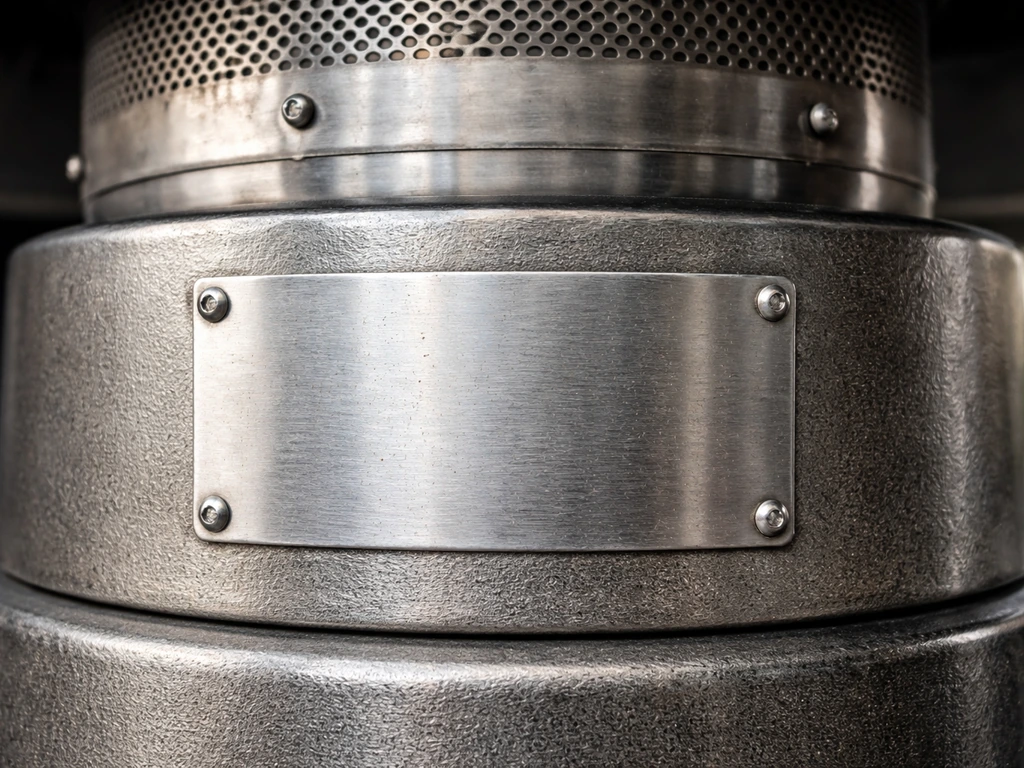
Before buying any cylinder, find out exactly what your heater needs. Flip the heater over or look for a metal rating plate near the base or burner head. It will list the BTU/hr output, the fuel type (propane/LPG or natural gas), and usually the required gas pressure in inches of water column (WC) or millibar. This is not optional reading. Using the wrong fuel type or pressure will either damage the heater or simply mean it won't light at all.
If you can't find the plate, pull up the owner's manual. Most manuals are available as PDFs from the manufacturer's website. Search for your model number plus 'owner's manual PDF' and you'll usually find it within a minute. The manual will also tell you the regulator pressure the heater is designed for, which matters when you're checking compatibility later.
One important note: propane and natural gas are not interchangeable. Propane heaters use a cylinder with a regulator. Natural gas heaters connect to a fixed gas line. If your heater is rated for natural gas, a propane bottle is not a solution. This guide focuses on propane/LPG cylinder-fed heaters.
Choose cylinder size by expected runtime
Here's the simple math behind runtime: take the energy content of propane (roughly 91,452 BTU per gallon, or about 21,548 BTU per pound) and divide by your heater's BTU/hr rating. That tells you how many hours the fuel will last at full blast. Knowing the runtime for your specific model also tells you how long does patio heater propane tank last between refills. A 20 lb cylinder holds roughly 4.7 gallons of propane, which works out to about 430,000 BTU total. Run a 40,000 BTU/hr heater off that and you get around 10 to 11 hours of runtime. Real-world conditions like cold weather, wind, and partial throttle settings will shift that number, but it's a solid planning figure.
| Cylinder Size | Approx. Propane Content | Runtime at 40,000 BTU/hr | Runtime at 50,000 BTU/hr | Best For |
|---|---|---|---|---|
| 1 lb disposable | ~0.24 gallons | ~30 minutes | ~25 minutes | Tabletop heaters, camping |
| 11 lb / 5 kg | ~2.6 gallons | ~6 hours | ~4.7 hours | Small patio/tabletop heaters |
| 20 lb / 9 kg | ~4.7 gallons | ~10–11 hours | ~8–9 hours | Standard full-size patio heaters |
| 33 lb / 15 kg | ~7.7 gallons | ~17 hours | ~14 hours | Extended use, parties, weekend events |
| 47 lb / 20 kg | ~11 gallons | ~25 hours | ~20 hours | Commercial setups, all-weekend use |
For a typical 3 to 4 hour evening on the patio, even an 11 lb cylinder is technically enough for most heaters. But the 20 lb cylinder is the sweet spot for homeowners because the price-per-BTU is better when you refill rather than exchange, and you won't be caught short if guests stay late. If you're hosting an all-night event or want to run the heater across multiple days without thinking about it, go straight to the 33 lb or 47 lb option. Just make sure your heater's base can accommodate the larger cylinder safely without tipping.
Worth knowing: propane efficiency drops noticeably below 40°F (5°C). If you're heating a patio in cold weather, budget for shorter runtimes than the table suggests, or start with a fuller cylinder than you think you need.
Check compatibility: regulator, hose/connection, and pressure
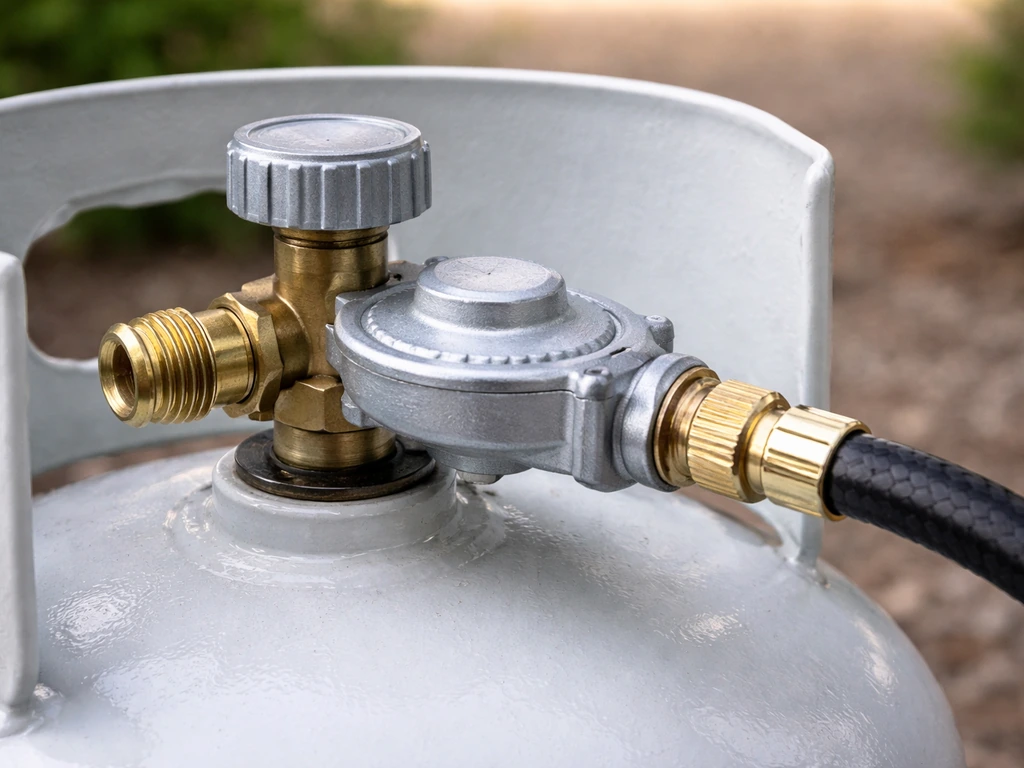
Tank size is only half the equation. The cylinder, regulator, and hose all have to be matched correctly or the heater won't work and could be dangerous. Most standard propane patio heaters in North America use a Type 1 (QCC1/Acme) valve connection, which is the same thread you find on a standard 20 lb barbecue cylinder. If your heater shipped with a regulator and hose, it almost certainly fits that standard cylinder.
In the UK and Europe, the connection standard is different. Most LPG patio heaters there use a clip-on or screw-in regulator that matches butane or propane cylinders from suppliers like Calor or Flogas. A 13 kg propane cylinder is the common choice for outdoor heaters in that market. If you’re using a 13 kg propane cylinder on a typical patio heater, the runtime will depend on the heater’s BTU output and whether you run it at full blast. Do not assume a regulator from one region will fit a cylinder from another. Forcing mismatched fittings is how leaks happen.
The regulator itself controls output pressure, typically stepping the high-pressure cylinder gas down to around 11 inches WC (roughly 27 mbar) for most propane patio heaters. Your manual's spec sheet will confirm the required pressure. If you're using a replacement or third-party regulator, verify the output pressure matches what the heater requires. Using the wrong regulator is explicitly warned against in most manufacturer manuals, and for good reason. A low-flow regulator will starve the burner; an over-pressure setup can damage valves.
- Check the cylinder valve type: Type 1 (QCC1/Acme) for most North American setups, POL for older tanks
- Verify the regulator output pressure matches your heater's rated inlet pressure (check the spec label)
- Inspect the hose for cracks, abrasion, kinking, or stiffness before every season
- Replace any hose that shows visible wear before connecting a new cylinder
- Never use adapters to force a mismatched fitting — get the correct regulator for your cylinder type
Safe hookup and leak-check steps outdoors
Every time you connect a new cylinder, you need to run a leak check. No exceptions. This takes about two minutes and it's the single most important safety step you'll do. If you see bubbles on any connection while doing a leak check, that can indicate a leak, so straighten the hose and repeat the test blank" rel="noopener noreferrer">Home Depot operator manual. Do it outdoors, away from anything ignition-related.
- Set the heater and cylinder outdoors on a stable, level surface before connecting anything
- Thread the regulator onto the cylinder valve hand-tight, then snug it with a wrench if required by your regulator type (Type 1 connections tighten clockwise)
- Make sure the heater's control knob is in the OFF position
- Mix a leak-check solution: 1 part dish soap to 3 parts water
- Slowly open the cylinder valve one full turn
- Apply the soapy solution generously to every connection: regulator-to-cylinder, hose-to-regulator, and hose-to-heater valve
- Watch for growing bubbles for at least 30 seconds at each joint
- If you see bubbles, close the cylinder valve immediately, tighten the connection, and retest
- If bubbles persist after retightening, disconnect the regulator and do not use the heater until the connection or hose is replaced
- If no bubbles appear at any connection, the connections are secure and you're safe to light
A few non-negotiables: never use a flame to check for leaks. Never operate the heater indoors, in a garage, or under a canopy without proper open-air clearance. Most manufacturer manuals specify a minimum clearance of 24 inches (61 cm) above the heater to combustibles. Keep the cylinder upright at all times during use and storage. When the heater is not in use, close the cylinder valve first, let the heater burn off the residual gas in the line, then turn the control knob to off.
What to do if the heater won't ignite or won't stay lit after changing the bottle
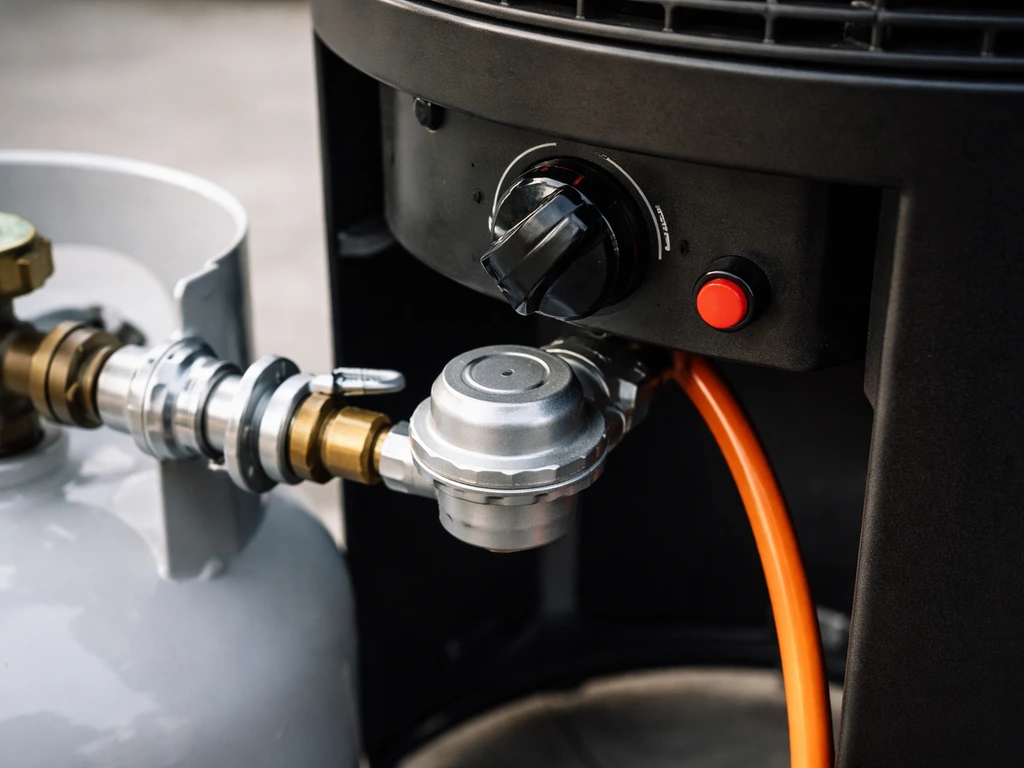
Swapping to a fresh cylinder and still getting nothing is frustrating, but it's almost always one of a handful of fixable issues. Work through these in order before assuming the heater is done.
If it won't ignite at all
- Confirm the cylinder valve is open and the regulator is fully seated — a partially connected regulator may not flow gas
- Check whether the igniter is sparking: hold the control knob in, press the igniter, and listen/look for a click and spark near the pilot. If there's no spark, try lighting the pilot manually with a long match or lighter while holding the knob in, then replace the igniter electrode
- Low gas pressure from a nearly empty or very cold cylinder can prevent ignition — try a different cylinder to rule this out
- Check the orifice and pilot tube for blockage; spider webs and debris are common after the heater has sat unused. A can of compressed air often clears it
- Make sure the tilt switch (usually located in the base) hasn't tripped. Some heaters have a safety cutoff that activates if the unit isn't perfectly level. Slightly adjusting the heater position can reset it
If it lights but won't stay lit
- The most common cause is a thermocouple that isn't sensing the flame correctly. Hold the control knob in for a full 30 to 45 seconds after lighting to give the thermocouple time to heat up. If the flame dies the moment you release the knob, the thermocouple is likely faulty and needs replacing
- Check the thermocouple tip position — it should be sitting directly in the pilot flame. If it's bent away from the flame, carefully reposition it
- A dirty pilot area can produce a weak flame that doesn't heat the thermocouple enough to hold the valve open. Clean around the pilot with compressed air
- Loose connection between the gas valve and pilot assembly: tighten and re-do the leak check
- If the heater went out mid-session: wait at least 5 minutes before relighting to clear any gas buildup, then retry from the beginning of the lighting sequence
If you've worked through all of the above and the heater still won't stay lit, and you're not comfortable replacing the thermocouple or gas valve yourself, that's the point to stop DIY and contact the manufacturer or a certified gas appliance technician. A heater that repeatedly fails to hold a flame despite a working thermocouple may have an internal valve problem that isn't safe to DIY.
Maintenance tips to keep propane heaters running reliably
A little attention before and after the season pays off. Most call-outs for 'heater not working' are caused by issues that five minutes of seasonal maintenance would have prevented.
- At the start of each season, inspect the hose and regulator for cracking, stiffness, UV damage, or corrosion. Replace the hose assembly if there's any visible wear — they're inexpensive and the risk of a gas leak is not worth saving a few dollars
- Clean the burner head and pilot area with compressed air before first use each year. Insects and debris love to nest in burner tubes over winter
- Run a full leak test every time you connect a new or refilled cylinder, not just the first time
- After the heater is lit and running, do a visual flame check: a healthy propane flame should be mostly blue with small orange tips. A large, wavering orange flame often indicates a blocked orifice or incorrect air-to-gas mixture
- Store the cylinder upright in a ventilated outdoor space, away from heat sources and direct sunlight. Never store a connected cylinder indoors
- Check the electrode gap on the igniter once a year. A wide or carbon-fouled gap won't spark reliably. Clean with fine sandpaper and check the gap matches your manual's spec
- If your heater has a tilt switch, test it by gently rocking the base and confirming the flame extinguishes. If it doesn't cut out, the tilt switch needs attention before you use the heater again
Propane patio heaters are genuinely repairable appliances. The igniter, thermocouple, hose, and regulator are all parts you can source and swap yourself with basic tools. If you keep on top of the connection checks and seasonal cleaning, a well-made heater should give you many years of reliable service.
FAQ
Can I use a bigger gas bottle than recommended for my patio heater?
Often yes, as long as the heater’s base can physically support the cylinder and the fittings are compatible (correct regulator, correct hose length/condition, correct valve connection). The heater’s BTU output is controlled by the burner controls and regulator, so a larger bottle usually means longer runtime, not higher heat. Check the manual for maximum cylinder size and safe mounting clearance to avoid tipping or obstructing the venting area.
What happens if I connect the wrong size propane bottle, will the heater be damaged?
In most cases, the heater will not be damaged by the cylinder size itself. The bigger risk is using the wrong fuel type, wrong regulator pressure, or mismatched connectors, which can cause leaks, failure to ignite, or improper flame behavior. If the cylinder is the correct fuel (propane/LPG for a cylinder-fed model) and the regulator/hose match the heater specs, size mainly affects runtime.
How do I calculate runtime if my heater BTU rating is not exactly 40,000 to 50,000?
Use the same energy math described in the article, but plug in your exact BTU/hr output. Example approach: total BTU in the cylinder (based on its propane weight) divided by your heater’s BTU/hr gives theoretical full-burn hours. Then reduce that estimate for your real-world setting (if you run on low/eco, runtime increases, if you run near max in wind or cold, runtime decreases).
Does a 20 lb cylinder always last 8 to 10 hours at high, even in cold weather?
No. Runtime commonly drops in colder conditions because propane vaporization becomes less efficient below about 40°F (5°C). In practice, plan shorter evenings in cold or windy weather, and consider starting with a fuller cylinder so you don’t lose heat output as the cylinder temperature falls.
Should I weigh the cylinder to estimate how much gas is left?
Yes, weighing is more reliable than guessing by how full it looks. For propane cylinders, compare the current weight to the tare (empty) weight stamped on the cylinder to estimate remaining propane mass, then apply your heater’s BTU/hr to project remaining burn time. This helps when you want to know whether you can run through a late dinner without swapping.
How can I tell if my regulator is set correctly for my heater?
Check the heater’s rating plate or manual for the required regulator outlet pressure (often given in inches WC or millibar). Then verify the replacement or third-party regulator’s output pressure matches that spec. If the regulator is off, you can get symptoms like low flame, burner starvation, excessive soot, or repeated ignition failures.
Is it safe to leave the cylinder connected to the heater when I’m not using it?
Best practice is to close the cylinder valve when the heater is off, then turn the control to off and allow gas in the line to clear before storage. Leaving it connected can increase the chance of leaks going unnoticed over time. Always store cylinders upright and protected from damage, following the same safety rules you use during operation.
Why does my heater ignite but shut off after a few seconds?
That pattern often points to a safety control issue, commonly the thermocouple, but it can also relate to gas valve behavior. Because the heater is designed to stop when it cannot detect flame reliably, don’t keep retrying repeatedly. If basics like leaks and correct regulator pressure are already confirmed, the next step is typically service, especially if you are not comfortable testing or replacing components.
What should I do if my hose or regulator connection seems loose even with the correct cylinder?
Stop and do not operate. A loose or improperly mated connection can indicate a worn O-ring, a damaged hose end, or an incorrect adapter for your region’s connector standard. Replace damaged parts rather than trying to “make it fit,” then recheck for leaks outdoors before lighting.
How often should I do leak checks beyond “every time I connect a new cylinder”?
At minimum, do the mandatory leak check each time you swap cylinders. Also repeat the check if you replace any component (regulator, hose, valve fittings), if the heater was transported or bumped, or if you smell gas or notice abnormal flame behavior. If anything seems off, treat it as a leak-risk event and recheck outdoors.
Can I use a propane bottle for a natural gas (mains gas) patio heater?
No. Natural-gas models are meant for a fixed gas line and different pressure/control setup, so a propane cylinder is not a substitute. Using the wrong fuel type can prevent ignition and create a dangerous mismatch of pressure and flow, so the correct solution is to connect to natural gas or use a heater specifically designed for propane/LPG.
In the UK or Europe, do cylinder sizes and regulators work the same way as in North America?
They work differently because connector standards and regulator designs often differ by region. Even if the heater is “propane compatible,” the regulator and fitting may not be interchangeable across suppliers and countries. Use the cylinder and regulator pairing that matches your heater’s spec, and verify output pressure and connector type before connecting to avoid leaks.