The Char-Broil Patio Caddie came in both electric and gas versions, and the manual you need depends entirely on which one you own. Electric models include 4654870, 06601296, 06601357, and 07601408, while gas models run under numbers like 06601295 and 07601295. Find your model number on the rating plate (usually on the back of the cart or underside of the firebox), then search ManualsLib or Appliance Factory Parts with that exact number to pull the right PDF. Once you have the correct manual, you can follow its assembly, setup, and safety steps to use your Char-Broil Patio Caddie correctly how to use char-broil patio bistro. If you have a Char-Broil Patio Bistro 240, use the char-broil patio bistro 240 assembly instructions to match the correct steps to your exact model. If you are looking for the specific char-broil patio bistro 240 instructions for your grill, confirm your model number first so the steps match exactly. Once you have it, the manual walks you through assembly, first-time setup, and a structured troubleshooting table that covers nearly every common failure.
Char-Broil Electric Patio Caddie Manual Guide and DIY Fixes

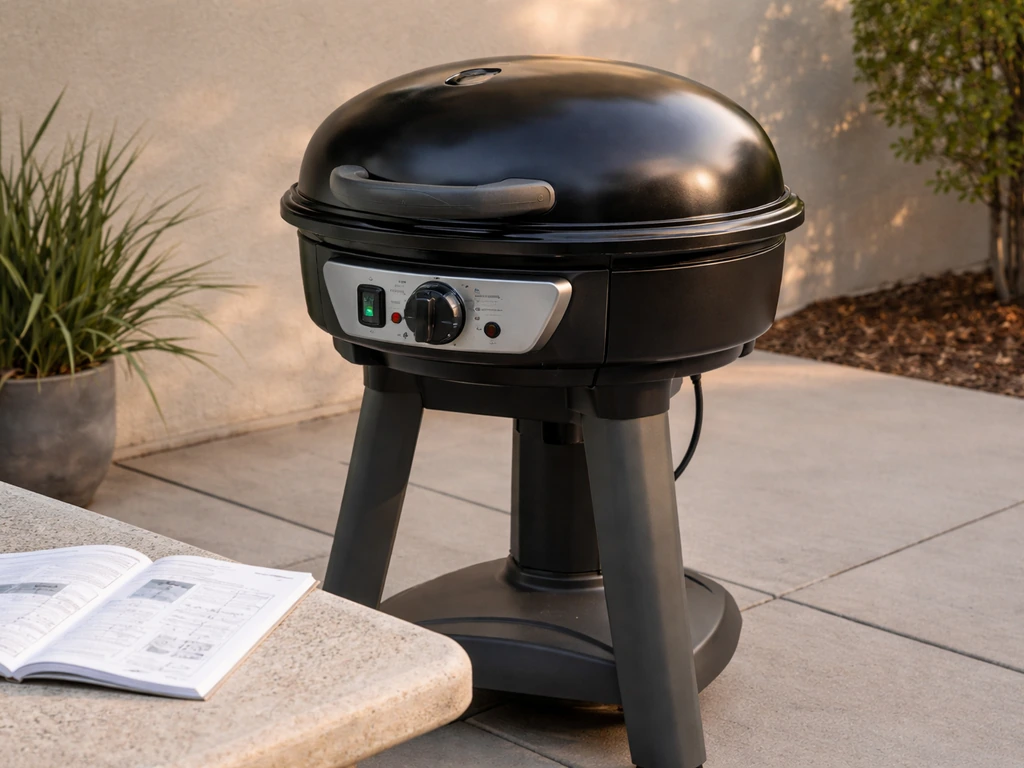
Electric or gas? Figure out which Patio Caddie you actually own
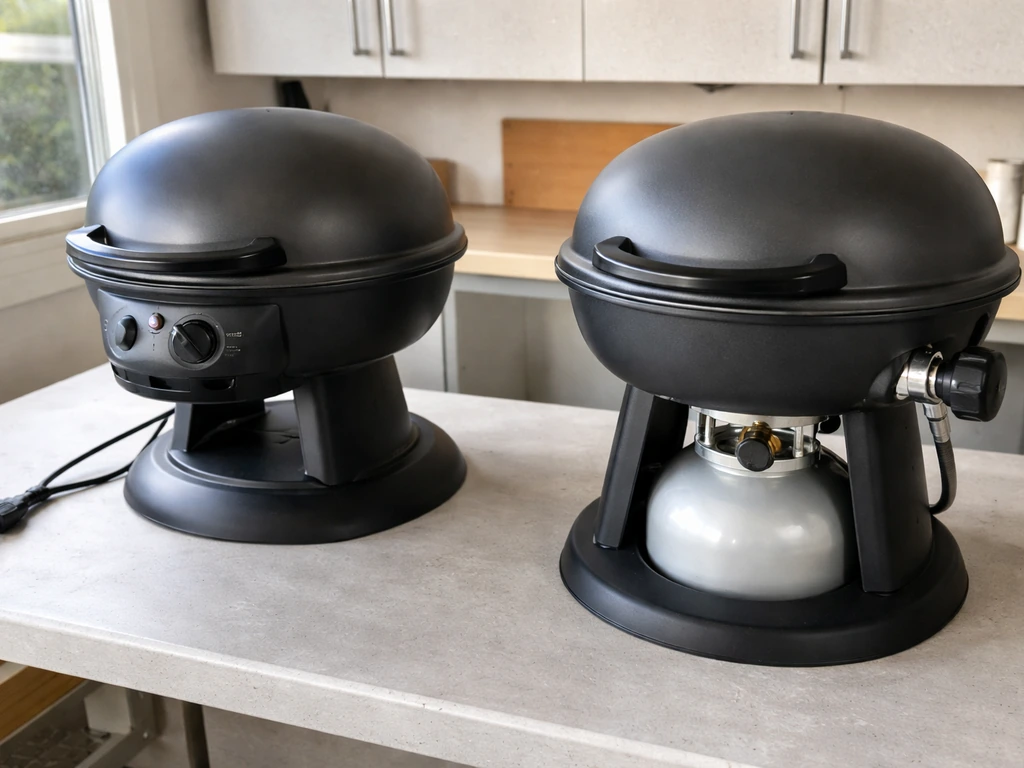
This sounds obvious, but it trips people up because Char-Broil used the 'Patio Caddie' name across both types, and the model numbers look nearly identical at a glance. The fastest way to tell them apart is to look at the back of the unit. Electric versions have a power cord and a controller knob that plugs into a standard outlet. Gas versions have a regulator hose that connects to an LP tank. If yours has neither and you're genuinely unsure, the rating plate number will settle it.
Here's a quick reference for the known models so you can match yours before hunting for a manual:
| Model Number | Type | Notes |
|---|---|---|
| 4654870 | Electric | One of the older electric variants; manual dated 02-02-05 |
| 06601296 | Electric | Common electric patio caddie grill; manual dated 03-17-09 |
| 06601357 | Electric | Electric series; manual dated 02-02-07 |
| 07601408 | Electric | Listed on Char-Broil's BOM page as Electric Patio Caddie |
| 06601295 | Gas (LP) | LP gas version; manual dated 05-30-07 |
| 07601295 | Gas (LP) | Gas grill; confirmed on Manuals+ owner's manual listing |
The rating plate is almost always a metal or foil sticker. On cart-style units, check the back panel of the cart body. On tabletop versions, flip it over and look at the bottom of the firebox. Write that number down before you do anything else. It's the only way to guarantee you're reading the right manual, and Char-Broil's manuals are not interchangeable between electric and gas models.
Where to find the correct manual and how to verify it
The best single source for Patio Caddie manuals is ManualsLib. If you have a Masterbuilt MPS 20B patio propane smoker, the manual will walk you through setup, safe lighting, and maintenance for your specific 2-portable model Masterbuilt MPS 20B patio 2-portable propane smoker manual. Search the model number exactly as it appears on your rating plate. For example, blank" rel="noopener noreferrer">searching '4654870' pulls up the Assembly, Use & Care Manual with the internal revision string '4654870 / 0-4165494 (02-02-05)', which you can cross-check against the cover page of the PDF to confirm it's the right file. blank" rel="noopener noreferrer">The gas model 06601295 also has a dedicated manual on ManualsLib under the title 'ASSEMBLY/USE & CARE MANUAL' with the string '0660129542804181 (05-30-07)'. If ManualsLib doesn't have your exact number, try Appliance Factory Parts, which hosts PDFs for models like 06601296 and 06601357.
To verify you have the right manual before printing or working from it, check three things: the model number on the cover or first page matches yours, the fuel type (electric or gas) matches your unit, and the parts diagram shows a firebox and cart layout that looks like your grill. If any of those don't line up, keep searching. Using the wrong manual for a gas unit when you own an electric one (or vice versa) will send you down the wrong diagnostic path completely.
If you have a Char-Broil Patio Bistro electric grill rather than a Patio Caddie, the manuals are separate products with different assembly steps, so make sure your search is pulling the Caddie-specific documents and not the Bistro line.
Assembly basics and first-time setup from the manual
Most Patio Caddie units arrive partially disassembled. The manual's assembly section is genuinely useful here because the sequence matters: the cart frame goes together first, then the firebox mounts to the cart, and electrical connections (on electric models) or the regulator hose (on gas models) are the last things you attach. Don't attach the gas hose or plug in the power cord until the unit is fully assembled and stable.
Electric models: first-time setup checklist
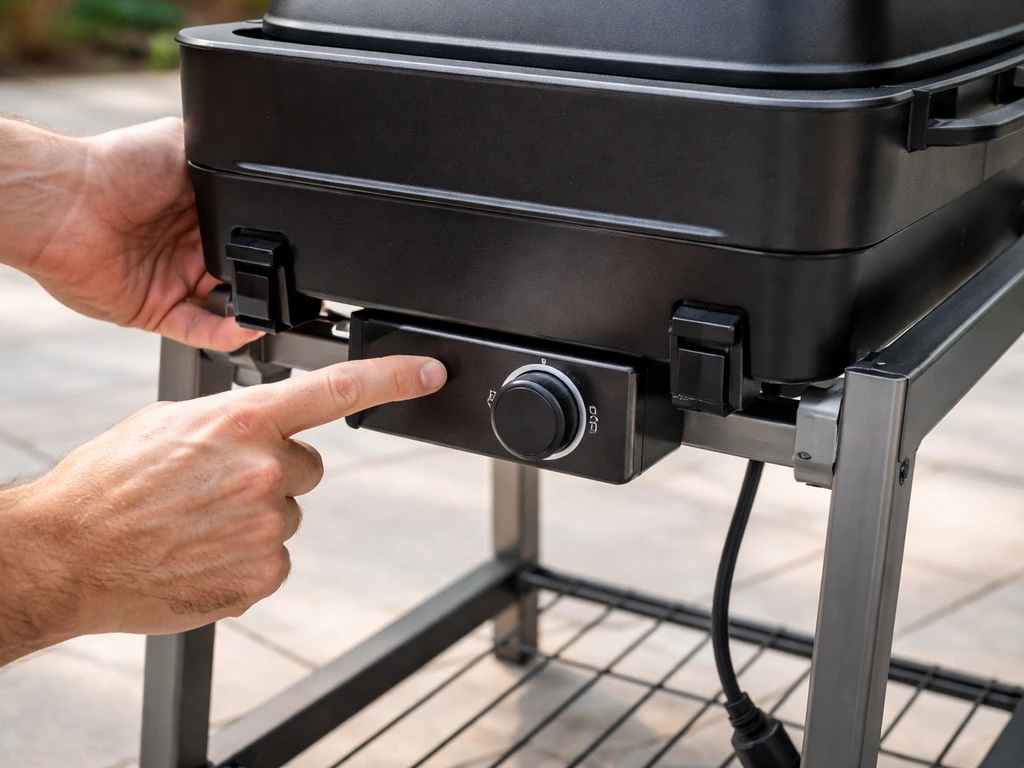
- Assemble the cart frame and mount the firebox according to the diagram in your specific manual.
- Check that the controller knob is in the OFF position before plugging in.
- Plug the cord into a GFI (Ground Fault Interrupter) protected outlet only. The 06601357 manual states this explicitly, and it applies to all electric Patio Caddie models. Do not use an extension cord unless it's rated for outdoor, high-amperage appliances.
- Turn the controller knob to MAX and wait two to three minutes for the element to heat. You should see and smell the element burning off factory oils on the first use.
- Let it cool fully before placing any cooking grates or accessories.
Gas models: first-time setup checklist
- Assemble the cart and firebox, then attach the regulator hose to the LP tank hand-tight plus a quarter turn. Do not use tools on the tank fitting.
- Open the grill lid before touching the gas valve. Always.
- Check all hose connections for leaks using soapy water before the first light. Bubbles mean a leak; stop and reseat the connection.
- Follow the manual's lighting sequence: open the lid, turn on the LP tank valve, light a long-stem match and place it through the match holes around the burner tube from beneath the grill, then push in and turn the control knob to HIGH.
- Confirm the burner lights and stays lit before closing the lid or adjusting temperature.
Troubleshooting common problems using the manual
Both the electric and gas manuals include a structured troubleshooting table. Here's how to use it for the most common failures people actually run into.
Electric models: no power or not heating
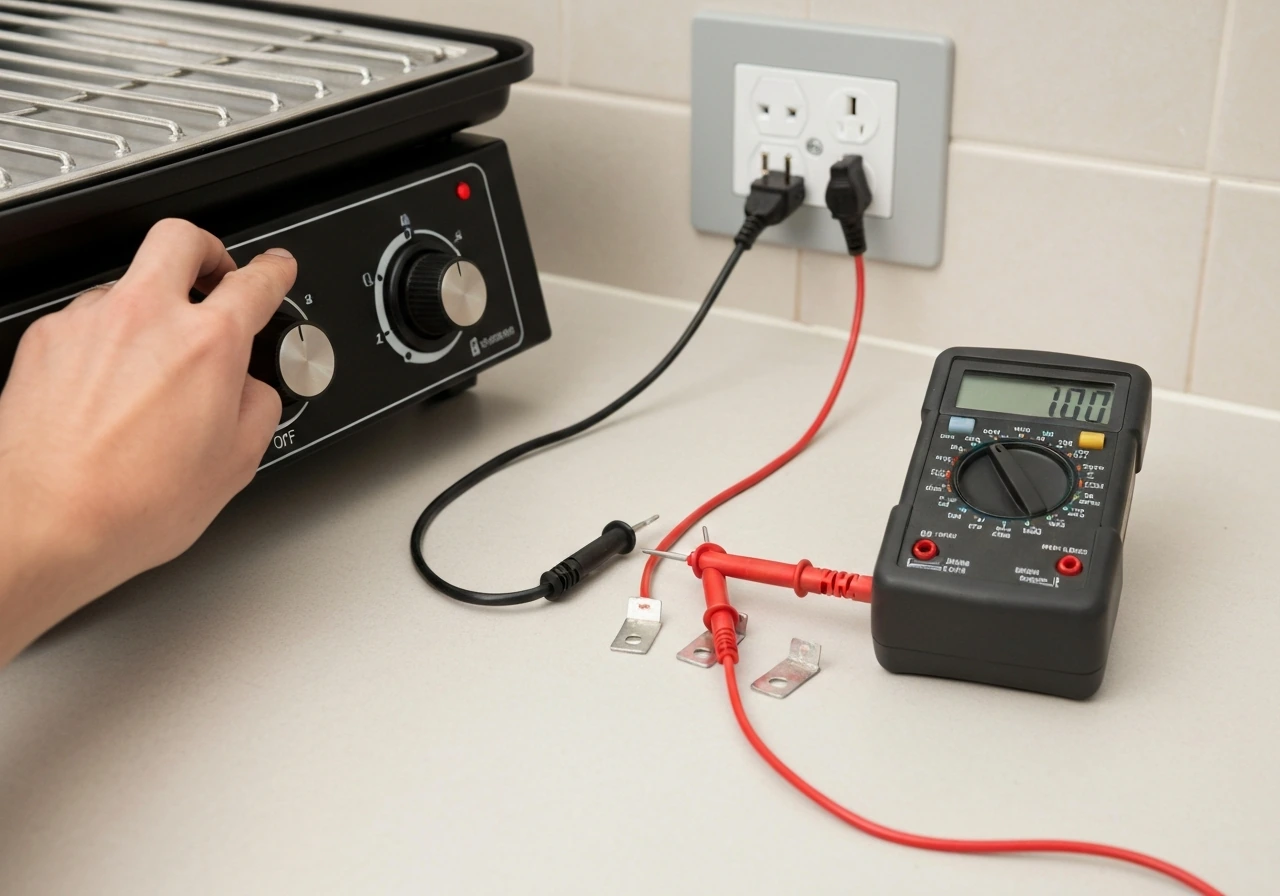
The 4654870 electric manual's troubleshooting section lists 'Grill not heating' and walks through three checks in order. Start with the most obvious: is the controller knob turned off? Turn it to maximum. Is there power at the outlet? Test it with another device. The third check is the GFI circuit. Electric Patio Caddies must run on a GFI-protected circuit, and if that breaker has tripped (which it will if there's a fault or moisture intrusion), the grill gets zero power and acts completely dead. Find your GFI outlet, press the reset button, and try again. If it trips again immediately, there's a fault in the wiring or heating element that needs inspection before you continue.
Gas models: won't light or won't stay lit
The gas manual for 06601295 includes a dedicated 'Lighting' section and a troubleshooting section that covers hose, ignitor, valve, burner, and flame checks. If the burner won't light at all, run through this sequence before assuming anything is broken:
- Confirm the LP tank has fuel. A tank that feels light and produces no flame after a clean lighting attempt is usually empty.
- Check the regulator. If the tank was opened too fast, the regulator's OPD (overpressure device) may have tripped. Turn everything off, disconnect the regulator, wait 30 seconds, reconnect, then open the tank valve slowly.
- Check the burner tube for spider webs or debris. This is the most common 'won't light' cause that isn't fuel-related. A clogged burner tube prevents gas from flowing to the flame point. The manual's maintenance section shows how to remove and inspect the tube.
- If it lights but won't stay lit, the likely cause is low gas pressure from a partially tripped regulator, or a clogged orifice. Clean the orifice with a toothpick (never a metal tool) and retry.
- If the flame is yellow or orange rather than blue, the air shutter needs adjustment. The manual shows the shutter location on the burner and how to adjust it.
Routine maintenance tasks that keep the Patio Caddie running
Both the electric and gas manuals include maintenance sections, and they're worth following. These are the tasks most likely to prevent the failures described above.
Electric model maintenance
- Wipe down the heating element with a dry cloth after each use once it cools. Grease buildup on the element causes uneven heating and can trip the GFI.
- Inspect the power cord and controller connection at least once per season. Look for cracking, fraying, or corrosion at the plug ends. Any damage here means replacing the cord before using the grill again.
- Check the element itself for visible damage (broken coils, burned spots). A visually damaged element should be replaced, not used.
- Remove and clean the drip tray after every few uses. A full drip tray is a fire hazard even on an electric unit.
- Store the unit covered or indoors when not in use. Moisture intrusion is the primary cause of GFI trips and controller failures.
Gas model maintenance
- Inspect the hose and regulator before each season for cracks, brittleness, or kinks. Replace the hose if you find any. Do not patch a gas hose.
- Clean the burner tube ports with a wire brush to clear grease and debris. Check inside the tube opening for spider webs, which are the most underrated cause of ignition failures.
- Check the igniter electrode (if equipped) for cracking or carbon buildup. Clean carbon off with fine sandpaper. A cracked electrode ceramic needs replacement.
- Test all burner connections for leaks with soapy water every season and after any hose work.
- Clean the firebox interior and grease tray after every four to five uses.
DIY safety limits: when to keep going and when to stop
Most Patio Caddie problems are genuinely fixable at home with basic tools and the correct manual. But there are specific situations where continuing the repair yourself creates real risk.
On electric models, stop and call Char-Broil support (or a certified appliance repair tech) if: the GFI trips every time you plug in regardless of what you've cleared, there's any visible burning or scorching on the wiring inside the firebox housing, or the controller knob sparks or produces any smell of burning plastic. These symptoms point to an internal wiring fault or failed controller component, and those aren't safe to probe without proper test equipment.
On gas models, stop immediately if: you smell gas and can't identify or stop the source after checking all connections, the flame lifts off the burner entirely rather than sitting on it (a sign of pressure or orifice problems that need a parts replacement), or the regulator has been physically damaged. Do not try to disassemble a regulator yourself. Gas regulators are safety-critical components and should be replaced as a unit, not repaired.
For either type, if your unit is more than 10 to 15 years old and showing multiple simultaneous failures, weigh the repair cost against replacement. Char-Broil parts availability for older Patio Caddie models (especially pre-2007 electric units like the 4654870) is limited, and at some point sourcing a compatible element or controller costs more than the grill is worth.
Char-Broil's customer support line can help confirm whether parts are still available for your model number and point you to authorized service centers if the repair is beyond the manual's scope. Have your model number and serial number ready when you call.
FAQ
What should I do if my Patio Caddie model number isn’t readable on the rating plate?
Try cleaning the plate gently (dry cloth, no scraping) and check multiple spots, back panel and underside, because some units have partial labels. If you still cannot confirm the exact number, do not guess the PDF, instead contact Char-Broil support with a photo of the plate area and the fuel type (electric cord vs LP regulator hose).
How can I tell whether an electric Patio Caddie needs a GFI outlet specifically, and what if I do not have one?
The electric Patio Caddie must be on a GFI-protected circuit, if your outlet lacks a GFI you can test with a different known GFI outlet. If the grill behaves normally on a GFI outlet but fails on non-GFI power, the issue is protection, not the grill, and using an adapter to defeat protection is not recommended.
Is it safe to use an extension cord with the electric Patio Caddie if the unit is far from power?
Use the shortest, properly rated extension cord, and avoid cords that are loosely connected or run under the cart where they can pull on the controller connection. If the manual you find for your model specifies a cord type or amperage, follow that exactly, because under-rated cords can cause intermittent power and overheating.
My electric controller knob turns but the grill still won’t heat, what’s the most common wiring-related mistake to check first?
Before any internal checks, confirm the controller is fully seated into its connection and that the plug is completely inserted. Many failures come from a partially connected controller harness or moisture exposure that triggers the GFI, if the GFI trips after drying and resetting, stop and inspect wiring rather than continuing.
For gas models, can I light the Patio Caddie without using the manual’s lighting sequence?
You can use an alternative lighting method only if it matches the manual’s safety steps for your exact model. If the ignitor, valve, or flame checks are part of the procedure, skipping them can lead to repeated gas release, which increases risk, follow the manual sequence and stop if ignition does not occur.
What does it mean if the flame lifts off the burner on a gas Patio Caddie?
That condition usually points to pressure regulation or orifice issues rather than debris on the burner alone. The manual’s troubleshooting path typically ends with checking components and recommending parts replacement, do not keep operating hoping it improves, because persistent mismatch can overheat parts or cause poor combustion.
Can I replace only part of a gas regulator instead of replacing the entire regulator?
Do not disassemble or repair the regulator yourself. If your model’s troubleshooting indicates a regulator-related fault or the regulator is damaged, the correct next step is to replace the regulator as a safety-critical unit.
If the manual’s troubleshooting table has multiple symptoms, which one should I start with?
Start with the branch that matches the unit’s immediate behavior, dead and no heat usually corresponds to power protection and controller checks for electric models, and no ignition or abnormal flame for gas models. If symptoms overlap, follow the manual’s order of checks, because later steps can be unsafe if the earlier cause is still present (for example, checking valves or ignitors when gas odor is present).
How should I confirm I have the right PDF before doing any work beyond assembly?
Check three alignment points before troubleshooting: exact model number string on the first page, fuel type matching your unit, and the parts diagram showing the same cart or firebox layout. If even one of those does not match, keep searching, because the troubleshooting logic can lead you to the wrong component tests.
When is it better to stop DIY repair and call service or support?
Stop and call if the electric GFI trips every time you plug in after clearing obvious moisture, if there is visible scorching or burning smell from wiring or the controller, or if you observe sparks. For gas, stop if you smell gas and cannot locate and stop the leak quickly, or if regulator damage or severely abnormal flame persists.
Where do I find the serial number, and why does it matter?
The rating plate usually contains both model and serial information, often on the back or underside areas. Serial number helps support confirm parts compatibility when models have internal revisions, especially for older electric units where controller or element replacements may vary by revision.
My Patio Caddie is very old, should I replace parts or replace the grill?
If you have multiple simultaneous failures and the unit is roughly 10 to 15 years old, compare the cost of the most expensive likely components (controller for electric, regulator or ignition components for gas) to the price of a replacement. Also consider availability, some pre-2007 models have limited matching parts, and repeated trial repairs can cost more than replacing.