A stuck patio heater control knob usually comes down to one of four things: corrosion or debris packed around the valve stem, a jammed or seized gas valve, physical interference between the knob and the surrounding panel, or misalignment caused by a tip-over or rough transport. Most of the time you can free it yourself in under 30 minutes with nothing more than a soft cloth, some compressed air, and patience. But before you touch anything, there are a few safety steps you cannot skip. The Outdoor Leisure Td125 to Td128 owner’s manual advises allowing at least 45 minutes for the heater to cool before attempting service blank" rel="noopener noreferrer">before you touch anything, there are a few safety steps you cannot skip. Many patio heater instructions also advise turning the control knob to OFF and fully closing the gas valve, then waiting at least 5 minutes before trying to relight or service blank" rel="noopener noreferrer">wait at least 5 minutes before attempting relight or service.
Patio Heater Control Knob Stuck: Step-by-Step Fix Today

Safety first: do these checks before anything else
This is a gas appliance. Forcing a stuck gas valve knob without preparation is genuinely dangerous, so treat these steps as non-negotiable, not suggestions.
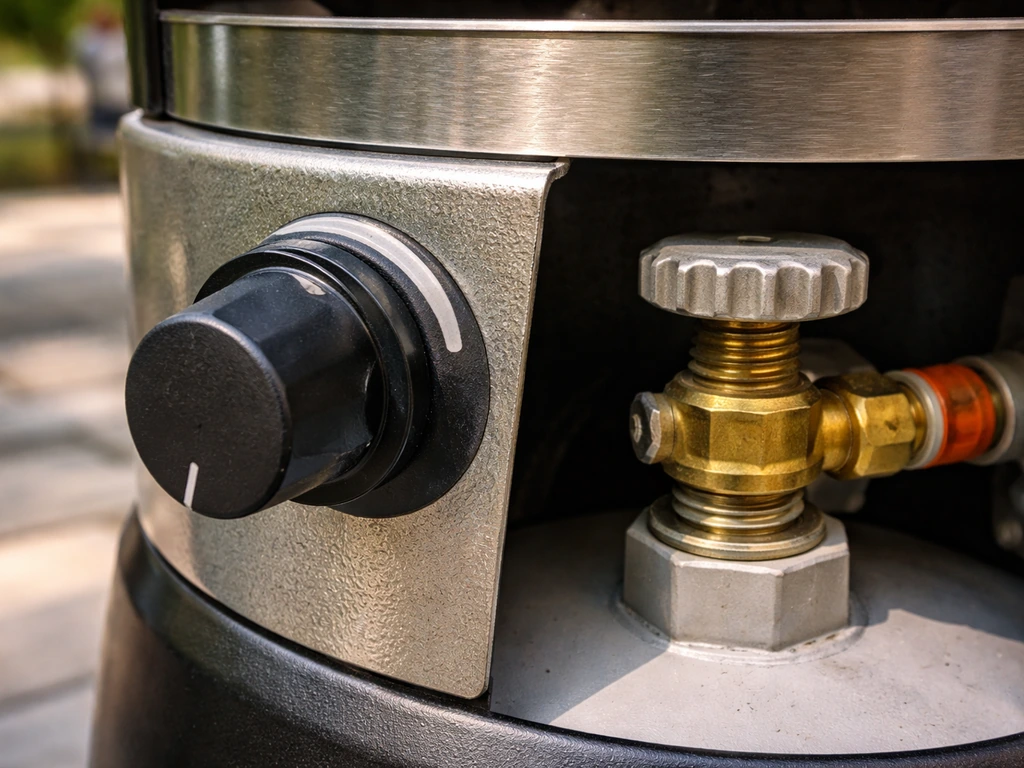
- Close the propane tank valve completely. Turn it clockwise until it stops. Do this even if you think the control knob is already in the OFF position.
- Let the heater cool fully before touching anything near the burner, valve, or control panel. Many manufacturers specify at least 45 minutes of cool-down time after use before any service.
- Move the heater to an open, well-ventilated area away from any ignition sources including pilot lights, cigarettes, or electrical switches.
- Wait at least 5 minutes after closing the tank valve before proceeding, so any residual gas in the line has time to dissipate.
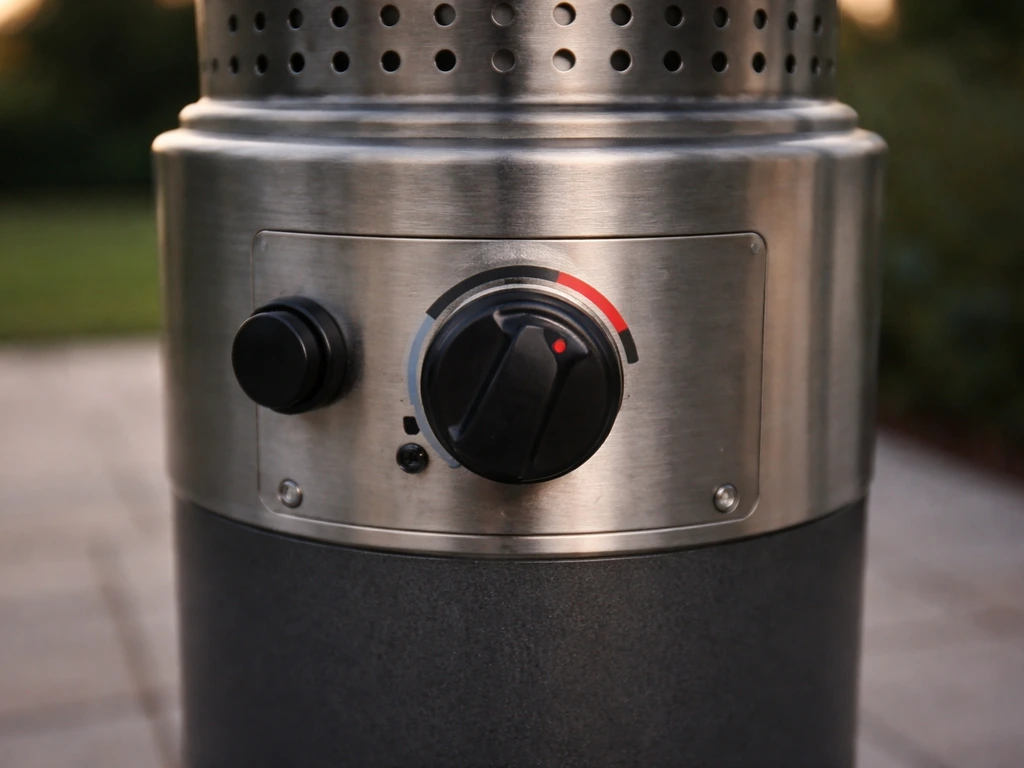
- Give the knob one gentle test turn — firm but not forceful. If it moves even slightly, that tells you it is not fully seized. If it does not budge at all with moderate hand pressure, stop and work through the diagnostic steps below before applying more force.
When you should stop and call a pro
Stop what you are doing and contact a licensed gas technician if you smell gas at any point during this process, if the knob broke or cracked when you attempted to turn it, if you can see a bent or cracked valve stem, if there is visible corrosion inside the valve body itself, or if the heater was involved in a significant tip-over that may have damaged the gas line or regulator. Forcing a damaged gas valve is not a DIY repair.
Why is the control knob stuck? Common causes by heater type
The root cause depends a lot on your heater's design and how it has been stored. Here are the most common culprits, roughly in order of likelihood.
Corrosion and debris around the valve stem (most common)
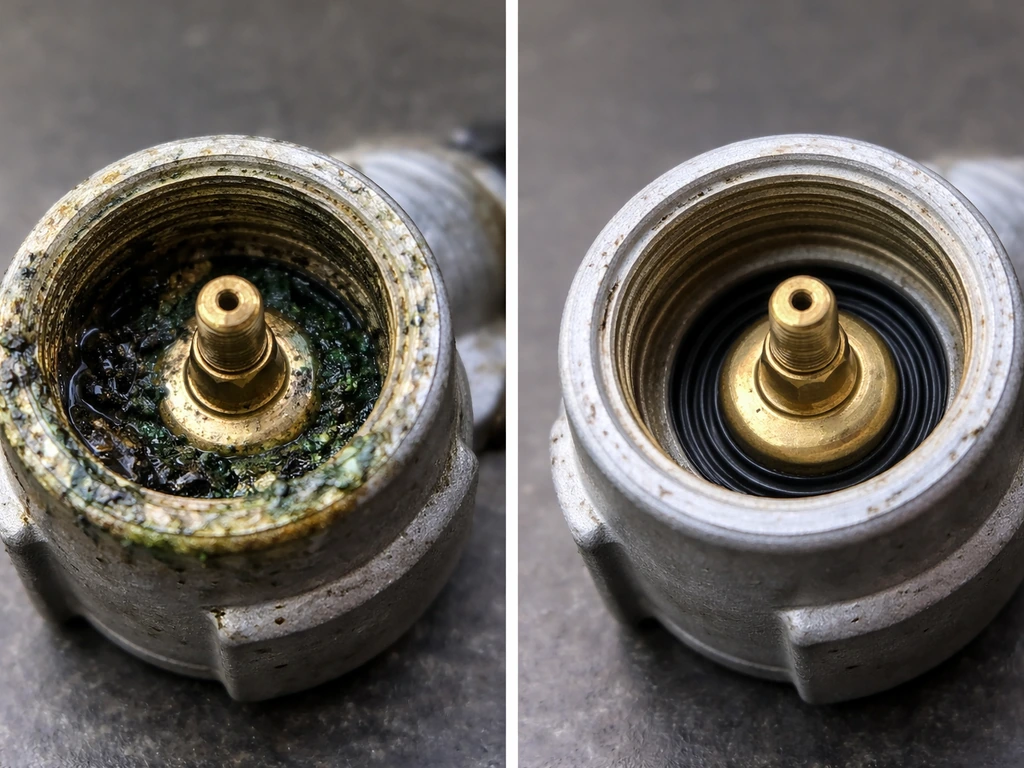
On freestanding propane tower heaters and tabletop models alike, the valve stem sits inside a metal housing that is exposed to outdoor humidity, rain, and condensation. Over a storage season, rust, mineral deposits, and dried grease can pack around the stem where it meets the panel or valve body, effectively gluing it in place. This is especially common on cast-metal valve bodies and on heaters stored outdoors without a cover. The knob itself may turn slightly but feels like it is hitting a wall after a few degrees of rotation.
Seized gas valve internals
The gas valve inside your heater is a precision component. When a poppet or ball valve sits in one position for months, the internal seals can dry out, swell, or stick. This is more common on lower-cost heaters with basic valve designs and on any heater that sat in storage with the valve in the partially open position. A seized valve feels completely rigid, with zero give in any direction, and no amount of panel cleaning will fix it. The valve itself needs to be serviced or replaced.
Knob-to-panel physical interference
On many freestanding tower heaters, the control knob sits very close to a decorative trim ring or control panel cutout. If the panel has been dented, if the knob cracked and expanded slightly, or if a foreign object (a bug nest, a pebble, a corroded screw) is wedged in the gap between the knob skirt and the panel face, the knob can bind without any problem in the valve itself. This one is easy to spot with a flashlight.
Misalignment after tip-over or transport
If your heater tipped over or was laid down for storage or transport, internal components can shift. The valve stem, the igniter linkage, or the regulator bracket can move just enough to create binding when you try to turn the knob. The tilt safety switch can also trigger and lock certain models into a shutdown state that feels like a mechanical problem. If your heater recently fell over or was moved, this is a strong candidate. The tilt switch reset process is a separate procedure worth checking before you assume the knob itself is the problem.
Worn or damaged knob and shaft
Plastic knobs crack over time, especially after UV exposure outdoors. A cracked knob can splay outward and bind against the panel. The D-shaped or splined shaft the knob mounts onto can also strip or corrode, causing the knob to seize onto the shaft rather than turning it. This type of stuck knob usually has play when you wiggle it but resists rotation.
Start simple: free-up methods that require no tools
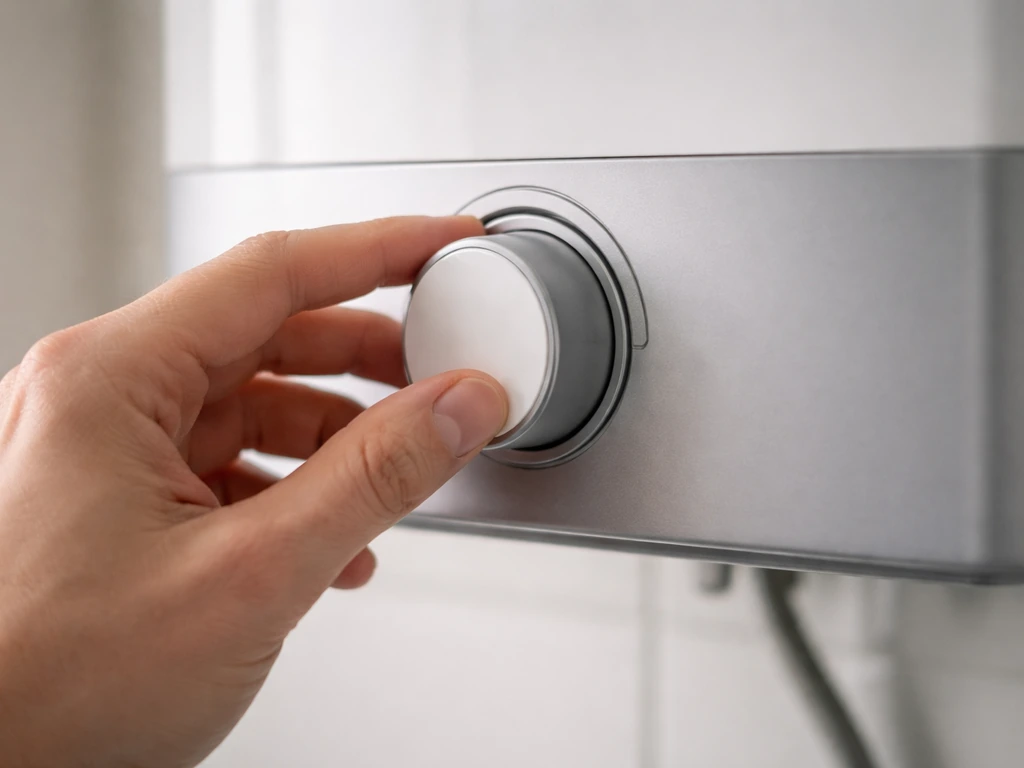
Work through these steps in order. Each one takes only a few minutes and you may solve the problem before you ever need a screwdriver.
- Confirm the tank valve is closed and the heater is fully cool, then inspect the gap between the knob edge and the control panel with a flashlight. Look for obvious obstructions: debris, spider webs, dirt buildup, or a corroded fastener that has expanded into the knob's path.
- Use a can of compressed air to blast around the base of the knob stem where it enters the panel. Aim the nozzle at multiple angles. This dislodges loose debris and dried condensation that is often enough to free a mildly stuck knob.
- Wipe the exposed portion of the valve stem and the knob base with a dry cloth, then with a cloth lightly dampened with warm water. Let it sit for two minutes. Warm moisture can soften minor mineral deposits.
- Apply firm, steady hand pressure in both directions — not a jerk or a wrench, just sustained pressure. Try clockwise and counterclockwise alternately, holding each direction for about five seconds. If the knob is mildly corroded, this rocking motion can break the surface bond.
- If the knob moves even slightly but is still stiff, try working it back and forth in small increments, gradually increasing the range of motion with each cycle.
Lubrication: what to use and what to avoid
This is where a lot of people make the problem worse. Do not spray WD-40 or general-purpose penetrating oils into the valve body or onto gas fittings. These products can degrade rubber valve seals and leave residues that attract more debris. For the external valve stem and the gap between the knob and the panel, a tiny amount of food-grade silicone spray or white lithium grease is appropriate. Apply it with a cotton swab to keep it away from internal valve components. If the binding is clearly external, this is often the fix.
Deeper fix: remove the knob and inspect for damage or misalignment
If the basic free-up steps did not work, it is time to get the knob off and look at what is actually going on underneath it. This is still well within DIY territory and only requires basic hand tools.
What you will need
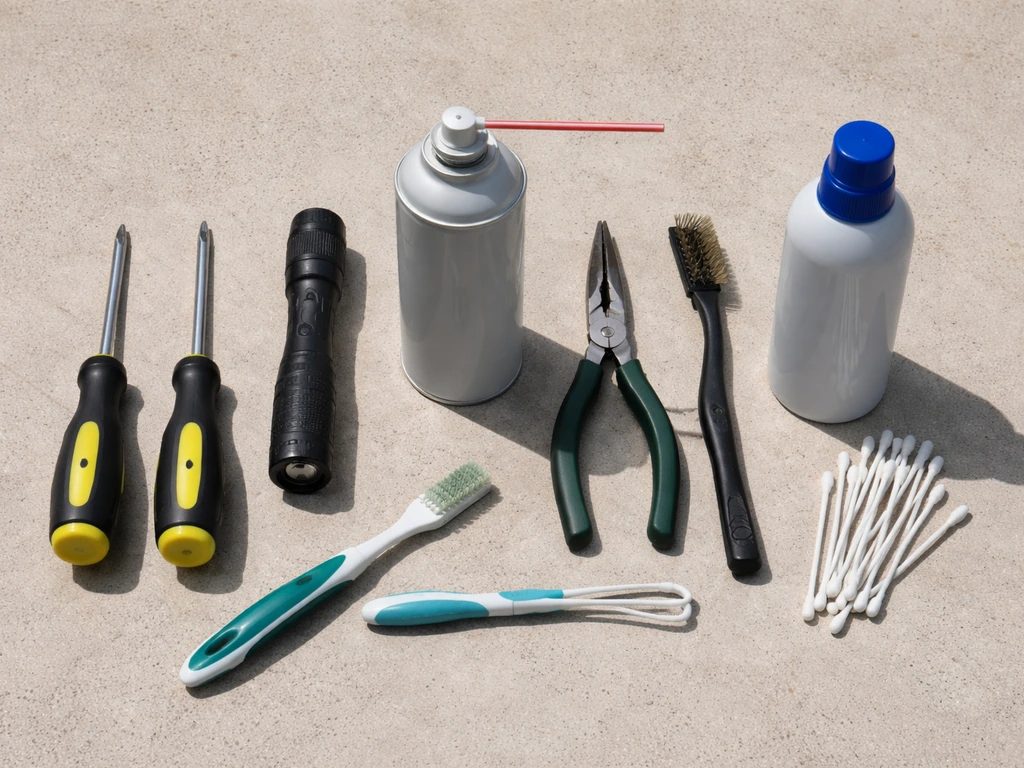
- Phillips and flathead screwdrivers
- Needle-nose pliers
- Flashlight or headlamp
- Compressed air can
- Small wire brush or old toothbrush
- Food-grade silicone spray and cotton swabs
- Replacement knob (optional, if yours is cracked)
Remove the knob
Most patio heater control knobs are a friction or push-fit design: they simply pull straight off the valve stem. Grip the knob firmly and pull it directly away from the panel. If it resists, look for a small set screw on the side or underside of the knob (common on better-quality heaters), loosen it with the appropriate screwdriver or Allen key, then pull the knob free. Do not pry the knob sideways, as this can damage the valve stem.
Inspect the stem and panel opening
With the knob removed, shine a light directly at the valve stem and the panel cutout around it. You are looking for corrosion on the stem itself (a rough, reddish-brown texture instead of a smooth metal surface), debris packed into the panel cutout, a bent stem, or a cracked panel edge that is pinching the stem. Use the wire brush or toothbrush to gently scrub away any surface corrosion from the stem. Compressed air should clear loose material from the cutout.
Check for internal misalignment
Once the knob is off, try turning the bare stem by hand or with needle-nose pliers using gentle pressure. If the stem itself turns freely without the knob attached, the problem was the knob binding against the panel or the knob bonding to the stem from corrosion. If the stem is still stiff or immovable even with the knob removed, the issue is in the valve body itself, which means you are looking at a valve replacement.
Inspect the control panel for damage
On tower-style heaters, the control panel is usually a stamped metal or ABS plastic assembly. After a tip-over, this panel can bend slightly inward, narrowing the hole the valve stem passes through. Look at the cutout from multiple angles. If the opening looks oval or pinched rather than round, the panel has deformed. Gentle reshaping with pliers is sometimes possible on metal panels. On plastic panels, you may need a replacement panel or a workaround.
Check ignition and gas control components connected to the knob
Sometimes what feels like a stuck knob is actually a valve that is mechanically locked because of a related safety component or ignition system problem. It is worth checking these before you conclude the valve itself is the issue.
The gas valve and regulator
The control knob connects directly to the gas valve. If the valve's internal ball or poppet is seized, no amount of external cleaning will free it. Signs that the valve itself is the problem: the stem will not turn even with the knob removed, you can hear or feel a grinding sensation, or the valve body is visibly corroded or cracked. A corroded or seized valve needs to be replaced, not forced. Replacement valves for common patio heater brands are available through the manufacturer or appliance parts suppliers, and swapping one out is a manageable DIY repair if your gas line connections are standard fittings.
Also check the regulator where it connects to the tank. A frozen or faulty regulator can cause pressure problems that make the valve feel stiff or unresponsive. If your regulator is more than a few years old and the heater has had other ignition issues, this is worth inspecting. A regulator replacement is inexpensive and straightforward.
The thermocouple and ignition system
On heaters with a safety valve design (which is most modern propane patio heaters), the thermocouple acts as a flame sensor. When it is working correctly, a heated thermocouple sends a small electrical signal that holds the gas valve open. When the thermocouple is cold or failing, the valve's safety mechanism keeps gas blocked. This is not exactly a stuck knob, but it can create a situation where the knob requires continuous depressing to hold the valve open and then snaps back or feels rigid when released. If your patio heater is shutting off soon after you light it, the thermocouple and flame-sensing circuit are often the reason. If your heater turns off the moment you release the knob, the thermocouple is likely the issue rather than the valve stem. That is a related but separate repair.
The tilt switch
Many freestanding patio heaters include a tilt safety switch that cuts gas flow if the heater tips over. After a tip-over, this switch can remain triggered even once the heater is upright again, creating a situation that feels like a mechanical lockout at the valve. If your heater recently fell over, resetting the tilt switch should be your first diagnostic step before assuming the knob itself is the problem.
Reassemble, test for leaks, and confirm it works
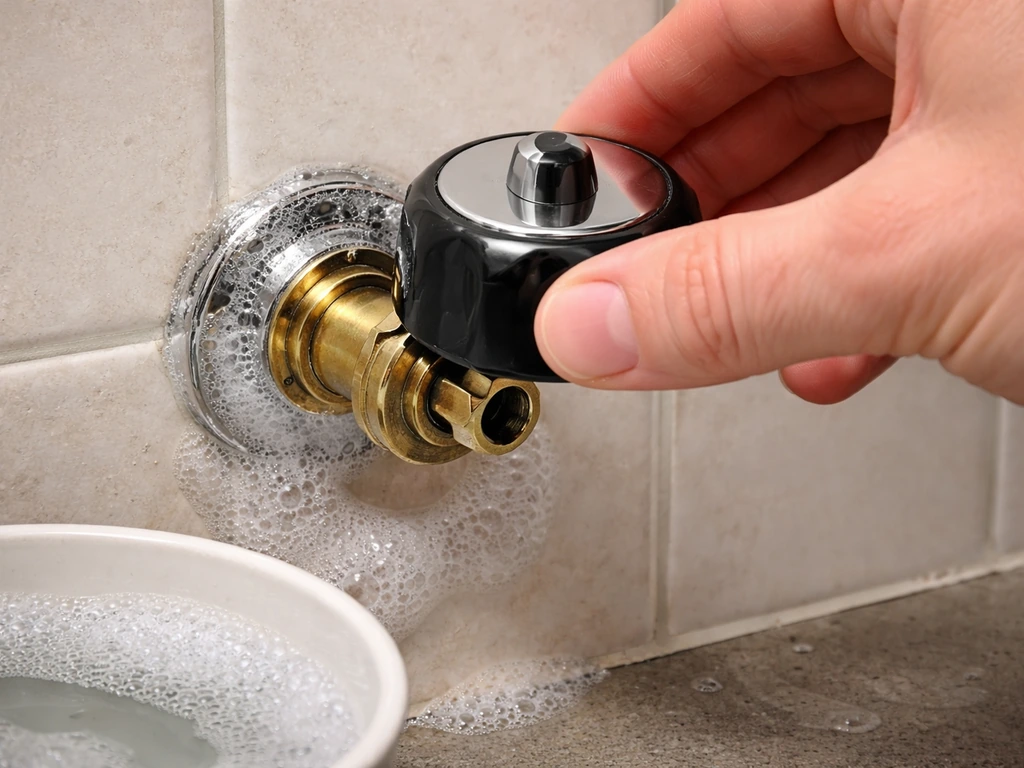
Once you have freed the knob, cleaned the stem, and confirmed the valve stem turns smoothly, here is how to put everything back together safely.
- Reinstall the knob by aligning the D-shaped slot or spline with the valve stem and pressing it firmly until it seats. If there is a set screw, tighten it snugly but do not overtighten on plastic knobs.
- Turn the knob through its full range of motion (pilot, low, medium, high, and back to OFF) before reconnecting the gas. It should move smoothly with no catching or grinding.
- Reconnect the regulator to the propane tank and open the tank valve one full turn.
- Perform a leak check before attempting ignition. Mix dish soap and water to a sudsy consistency and apply it to all gas connections: the regulator fitting at the tank, the hose connections, and the valve body inlet. Open the tank valve slowly. If you see any bubbles form and grow, you have a leak. Close the tank valve immediately and do not attempt to light the heater until the leak is resolved.
- If no leaks are found, follow your heater's standard lighting procedure: press and hold the control knob in, turn it to the pilot position, press the igniter button, and hold the knob for 15 to 30 seconds after the pilot lights to let the thermocouple heat up. Then slowly turn to your desired heat setting.
- Confirm the burner lights and stays lit without you holding the knob. If it goes out when you release the knob, the thermocouple needs attention.
Keep it from happening again
A stuck knob is almost always a maintenance and storage problem, not a manufacturing defect. These habits will keep it from recurring.
- Use a weather-resistant patio heater cover whenever the heater is not in use. This single step prevents most corrosion and debris buildup around the valve stem and control panel.
- At the start of each season, wipe down the control knob and the panel around it with a damp cloth, then work the knob through its full rotation several times to keep the valve internals from sticking.
- Apply a very thin film of food-grade silicone spray to the valve stem (external only, not inside the valve body) at the beginning of each season.
- Store the heater indoors or in a dry garage during the off-season if possible. If outdoor storage is unavoidable, close the tank valve and use a fitted cover.
- Never store the heater with the control knob in a partially open position. Always store it fully in the OFF position to prevent the valve internals from partially compressing seals in an awkward position.
- Inspect the control panel and knob visually every few months. If you see the first signs of surface rust on the stem or panel, address it with a wire brush and silicone spray before it becomes a seized valve problem.
Most stuck patio heater knobs are a half-hour fix. The key is working through the problem systematically rather than forcing it. Gas valves are not designed to be muscled open, and a cracked valve body or damaged stem creates a much bigger problem than a temporarily stuck knob. Take your time, follow the safety steps, and you will almost always find a straightforward cause with a practical solution.
FAQ
How can I tell if the knob is stuck from external debris versus a seized internal valve?
Remove the knob, then try turning the bare valve stem gently by hand. If it still will not move or feels rigid in every direction, the valve body is likely seized. If the stem turns smoothly with the knob off, the problem is external binding, corrosion around the stem, or a cracked knob or deformed panel pinching the stem.
What should I do if I tried turning the stuck knob and it felt like it cracked?
Stop immediately and treat it as a potentially damaged gas control. Do not keep testing the knob movement. Check for gas odor, and if the knob or surrounding housing is cracked, contact a licensed gas technician before using the heater again.
Can I use WD-40 to free a stuck patio heater control knob?
Avoid it. General penetrating oils can harm rubber seals and leave residues that attract more debris. For external sticking only, use a tiny amount of food-grade silicone spray or white lithium grease applied with a cotton swab, keeping it away from internal valve components.
The heater turns off as soon as I release the knob, does that mean the knob is stuck?
Not necessarily. That behavior often points to a thermocouple or flame-sensing issue, where the safety mechanism closes gas when the sensor cools. If it lights but shuts off on release, diagnose the thermocouple circuit before assuming the knob or gas valve is binding.
Where should I look for a blockage around the knob if the heater has been stored outside?
Use a flashlight at the panel cutout and around the gap where the knob skirt meets the panel. Look for dried grease, mineral buildup, insect nests, or small foreign objects wedged in the opening. Compressed air can clear loose debris once the knob is removed.
Is it okay to pry the knob off if it feels stuck?
No. Prying sideways can bend or damage the valve stem. Pull the knob straight off if it is a friction fit, or look for a set screw on the knob side or underside on models that use one, then loosen it before pulling.
What if the tilt safety switch locked the heater after a tip-over, and the knob still feels jammed?
Reset the tilt safety switch first, before assuming the valve is seized. A triggered tilt switch can create a shutdown state that mimics mechanical binding. Only move to deeper disassembly after you confirm the reset allows normal knob and stem movement.
My bare valve stem moves with the knob removed but binds once the knob is installed. What does that indicate?
That pattern usually means the knob is bonding to the stem due to corrosion, or the knob fit or panel opening is misaligned. Check for a damaged or cracked knob, inspect the stem for rough corrosion, and confirm the panel cutout is not pinched or oval from deformation.
How do I know whether I should replace the valve instead of continuing to clean it?
Replace the valve if the stem remains stiff or immovable even after the knob is removed, if you feel grinding, or if the valve body shows visible corrosion, cracking, or damage. In these cases, forcing operation can worsen internal seal failure and create a safety hazard.
Can a regulator issue make the control knob feel stiff or unresponsive?
Yes. If the regulator is frozen, faulty, or very old, the heater can behave as if the valve is not responding normally. If you have had other ignition problems or the regulator is several years old, inspect it as part of the diagnosis and consider replacement if it is suspect.
What should I do if the control knob shaft or D-shaped/splined connection looks corroded?
Corrosion at the knob mounting interface can prevent smooth turning even if the valve stem is okay. Clean the shaft and knob mating surface gently, dry completely, and apply only a minimal amount of appropriate external lubricant to prevent future bonding.