
Hampton Bay patio heaters are worth buying for most homeowners in 2026, but with a realistic expectation: they are mid-range, big-box-store appliances that deliver solid heat output and decent build quality at an accessible price, and they are absolutely repairable when the common failure points (ignition, thermocouple, tilt switch) inevitably show up. If you are deciding whether to buy one, or already own one that has stopped working, this guide gives you a straight verdict and the exact DIY checks to run.
Review Hampton Bay Patio Heater: Pros, Cons, and DIY Fixes

Grant Mercer
15 Jun 2026
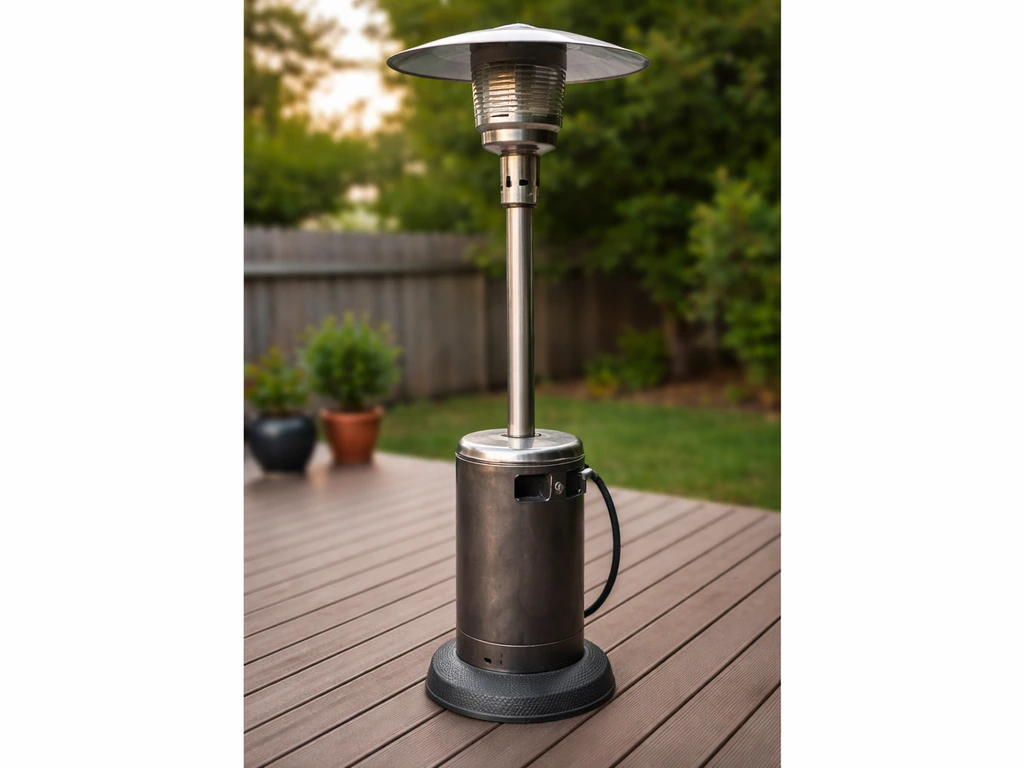
What a real Hampton Bay patio heater review should actually cover
Most online reviews either rave about the first week of heat output or complain that the heater quit working after one season. Neither is very useful on its own. A practical review needs to cover two things together: performance (how much heat, how reliably, under what conditions) and long-term reliability (which parts fail first, how fixable they are, and what ownership actually costs). Hampton Bay heaters sit at the intersection of affordable and repairable, which makes them a reasonable buy, but only if you know what you are getting into. The sections below cover both angles so you can make the call and know what to do afterward.
Figure out which Hampton Bay heater you are actually looking at
Hampton Bay makes several distinct patio heater types, and the troubleshooting, parts, and performance expectations differ significantly between them. Before you buy or start diagnosing a problem, nail down which type and model you have. The model number is usually on a label on the base or the burner housing.
The main Hampton Bay patio heater types
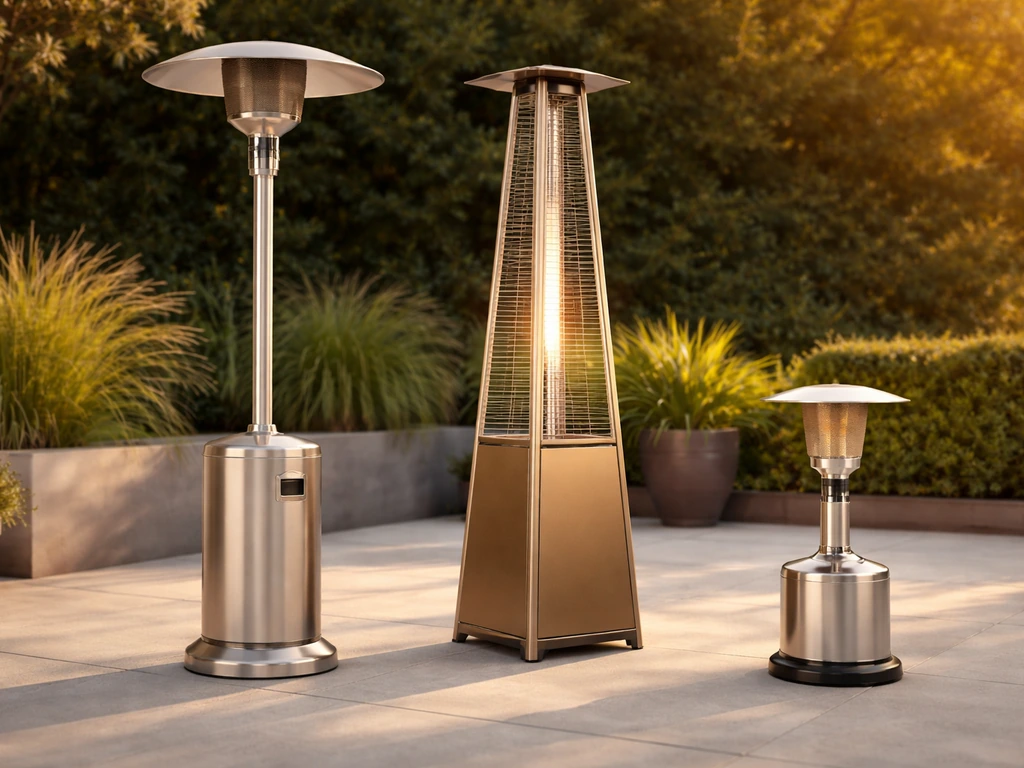
| Type | Common Models | Fuel | BTU Output | Coverage Area |
|---|---|---|---|---|
| Freestanding tower (stainless) | NCZH-G-SS | Propane | 48,000 BTU/hr | Up to 200 sq. ft. |
| Freestanding pyramid (gold) | GSH-A-PC | Propane | 42,000 BTU/hr | Up to 115 sq. ft. |
| Tabletop propane infrared | HPS-C-PC | Propane | 11,000 BTU/hr | Small patio/table zone |
The NCZH-G-SS is the classic tall stainless mushroom-style tower. The GSH-A-PC is the pyramid flame style with a visible fire column. The HPS-C-PC is the compact tabletop unit. Natural gas versions exist too, but the most common Hampton Bay units sold through Home Depot run on propane with a regulator that is set at 11 inches water column (wc) outlet pressure. The regulator that ships with the unit is not optional: the spec label on the NCZH-G-SS explicitly states the provided regulator must be used. If yours is missing or has been swapped out, that alone can cause ignition and flame stability problems.
If you want the manual for your specific unit, the model number on the label is your key. If you have a Hampton Bay 31-inch outdoor gas patio heater, use that manual to match the ignition sequence and troubleshooting steps to your exact model hampton bay 31 in outdoor gas patio heater manual.
If you need the exact steps for your unit, the hampton bay patio heater manual will tell you the proper ignition and troubleshooting sequence for your model If you want the manual for your specific unit. Hampton Bay manuals for models like the blank" rel="noopener noreferrer">NCZH-G-SS, the 48,000 BTU stainless version, the 42,000 BTU GSH-A-PC, and the 31-inch gas heater are available online as PDFs. Each has its own ignition sequence and troubleshooting table, so using the right one matters.
Real-world performance: heat output, controls, wind, and build quality
Heat output and coverage
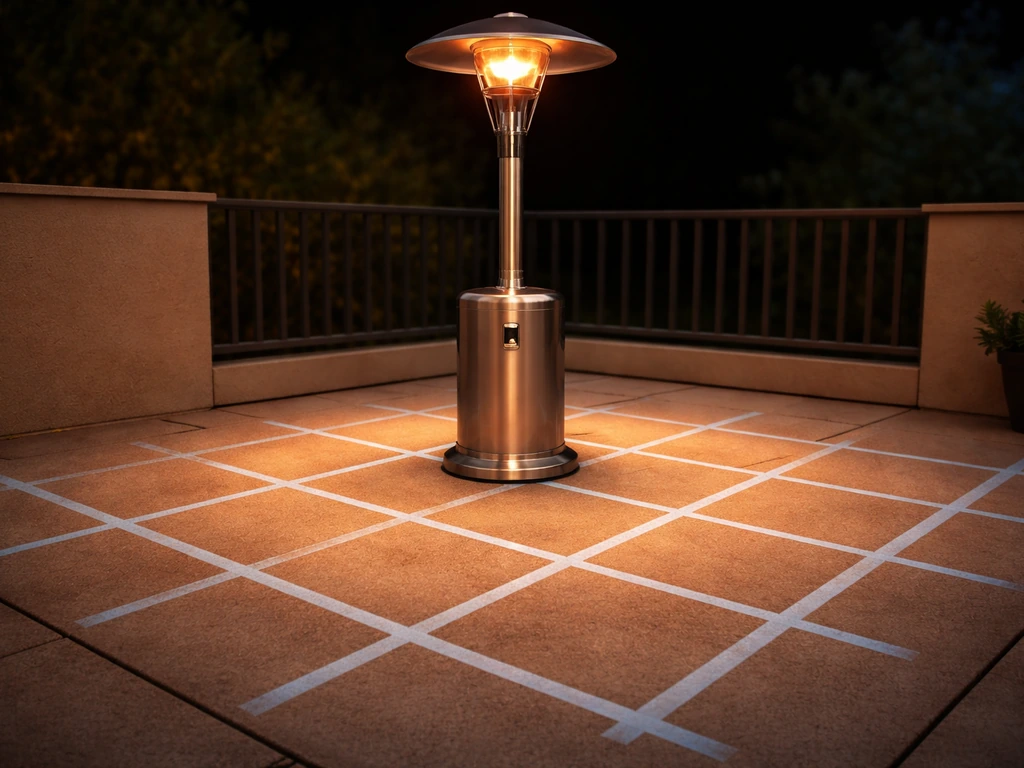
The 48,000 BTU NCZH-G-SS genuinely heats a 200 square foot patio area under calm conditions. That is a real number, not marketing fluff, but it assumes a fairly still night.
The 42,000 BTU GSH-A-PC covers a smaller zone, around 115 square feet, partly because the pyramid-flame design radiates heat differently than the mushroom reflector. The tabletop HPS-C-PC at 11,000 BTU is designed for a single table or seating cluster, not a patio perimeter. If your uline tabletop patio heater is giving you trouble, the fastest path is to find its exact manual for your model and follow the ignition and troubleshooting steps in order tabletop HPS-C-PC.
If you are sizing for a full deck, go with the 48,000 BTU tower.
Wind behavior
This is where most owners run into frustration. Hampton Bay propane heaters will shut themselves off in winds above roughly 10 mph (16 km/h). That is a safety feature, not a defect, but it does mean these heaters are not ideal for exposed, breezy patios without some windbreak. Even brief gusts can trip the shutoff. If your patio is regularly exposed to wind, plan for a screen or fence on the windward side, or manage your expectations about continuous runtime.
Cold weather performance
Propane pressure drops when it is cold. The GSH-A-PC manual specifically flags outdoor temperatures below 40 degrees Fahrenheit combined with a tank that is less than a quarter full as a factor that reduces efficiency and can prevent reliable lighting. If you are trying to use the heater in late fall or early spring, keep the tank at least half full and let it warm up slightly before a session if it has been sitting in a cold garage.
Controls and build quality
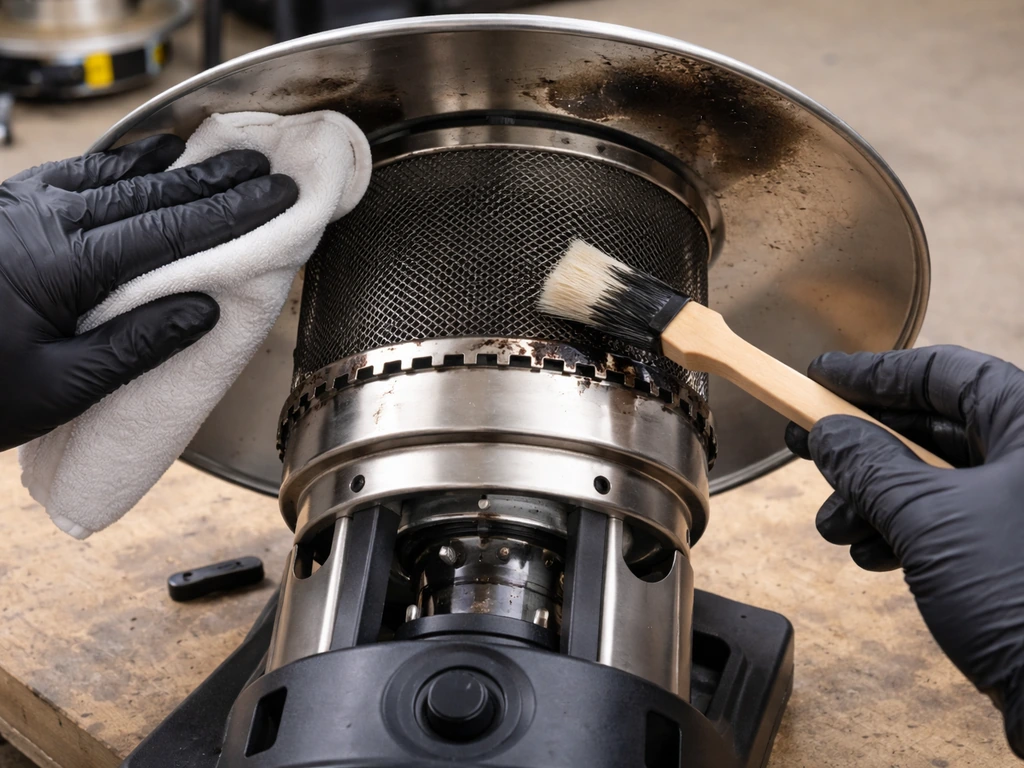
The control knob on the freestanding units is straightforward: turn to pilot, press and hold, ignite, then rotate to your heat level. The igniter is a piezo button on most models. Build quality is honest for the price point. The stainless steel on the NCZH-G-SS holds up reasonably well outdoors, but the burner screen, reflector, and regulator hose are the components that wear fastest. The pyramid models look striking but the flame column is more wind-sensitive than the mushroom reflector style.
The failure points owners complain about most
If you read through owner complaints across Home Depot reviews and troubleshooting forums, the same four issues come up over and over. A common owner-reported pattern is pilot instability, including a “won’t stay lit” issue right after releasing the control knob, which often points to a tilt switch or thermocouple on gas patio heaters. Knowing them in advance is half the battle.
- Igniter won't spark or produces a weak spark: usually a dead battery in the ignition module, a fouled electrode tip, or a gap that has shifted. Easy fix in most cases.
- Pilot lights but heater won't stay lit after releasing the knob: the number one most reported problem, and almost always the tilt switch or thermocouple (or both). The tilt switch and thermocouple are wired in series, so either one failing produces the exact same symptom.
- Tilt switch trips even when the heater is perfectly upright: the tilt switch is a small ball-bearing safety device that cuts gas if the heater tips over. They wear out and can trip falsely. This is the single most common cause of 'won't stay lit' complaints on Hampton Bay units.
- Thermocouple not sensing the flame: if the thermocouple tip is not sitting in the pilot flame, it cannot generate the millivolt signal that holds the gas valve open. A displaced, corroded, or failed thermocouple means the heater shuts off every time you release the knob.
- Carbon and dirt build-up on the burner and reflector: causes uneven flame, reduced heat, and can contribute to pilot instability. Easy to prevent, often overlooked.
DIY troubleshooting: step-by-step checks for the most common problems
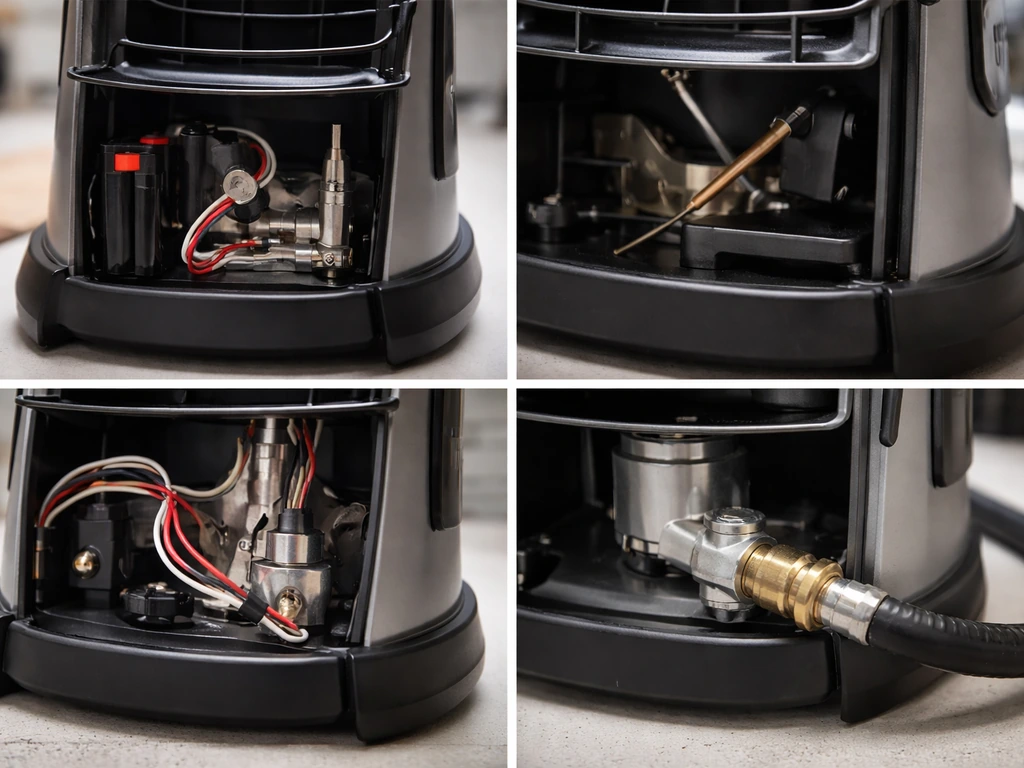
Before you do anything, safety first: turn off the propane tank valve completely and disconnect the regulator from the tank before you open or inspect any internal components. Never troubleshoot with gas flowing. This is not optional caution, it is the only safe way to work on these heaters.
Problem: heater won't ignite at all (no flame, no pilot)
- Check the propane tank first. Open the cylinder valve fully and make sure the tank is not empty. A frosted-over tank is a sign of very low fuel or high draw rate.
- Check for air in the gas line. If the tank is new or was recently reconnected, there may be air in the line. Press and hold the control knob to pilot and try the igniter repeatedly for 30 to 60 seconds to purge the air.
- Inspect the igniter battery if your model uses one. Replace it with a fresh AA or AAA (check your manual) and try again.
- Look at the electrode tip near the pilot. It should be clean and positioned about 3 to 4 mm from the pilot hood. Clean off any carbon deposits with fine sandpaper or a wire brush, very gently.
- Check the pilot tube and orifice for blockage. Spider webs and debris are common culprits after storage. With gas OFF and regulator disconnected, use a soft brush or compressed air to clear the pilot tube opening.
- Confirm the regulator is the original one supplied with the unit (outlet pressure 11 in wc for NCZH-G-SS models). A mismatched regulator can cause low gas pressure that prevents ignition.
Problem: pilot lights but goes out when you release the knob
- Make sure you are holding the knob long enough. This is the most common user error. On the tabletop HPS-C-PC, the manual says to hold for 15 seconds after the pilot lights before releasing. On freestanding models, holding for 15 to 30 seconds is typical. The thermocouple must get hot enough to generate a millivolt signal before you let go.
- Check thermocouple tip position. The tip of the thermocouple must be sitting directly in the pilot flame. If it is bent away or has shifted, the flame cannot heat it properly. With gas OFF, gently bend the thermocouple tip so it sits in the flame path. Retest.
- Check the thermocouple connection at the gas valve. It should be finger-tight plus a quarter turn. A loose connection breaks the millivolt circuit just as surely as a failed thermocouple.
- Test the tilt switch. The heater needs to be sitting on a level surface. Even a slight lean can trip the switch. Use a bubble level on the base. If the heater is level and still won't stay lit, the tilt switch itself may be faulty. Disconnect it temporarily (with gas OFF) to test: if the heater stays lit without the tilt switch in circuit, the switch is your problem and needs replacement.
- If thermocouple position is correct, connection is tight, tilt switch checks out, and the heater still won't hold: the thermocouple has likely failed and needs replacement. Thermocouples are inexpensive (typically under $15) and are a straightforward swap on Hampton Bay units.
- For units where lava rocks are present near the ignition area: check that rocks have not shifted into the ignition well and blocked the thermocouple from sitting in the flame. Remove any rocks from around the pilot assembly.
Problem: heater lights fine but shuts off during use
- Check for wind. If ambient wind is above 10 mph, the heater will shut off. This is normal behavior. Add a windbreak or move the heater to a more sheltered spot.
- Check propane level. A tank under a quarter full in cold weather (below 40 degrees F) can starve the burner mid-session. Swap to a full tank.
- Inspect the tilt switch. Vibration from a nearby door, foot traffic, or an uneven surface can trip a worn tilt switch. Recheck your surface level and inspect the switch.
- Look for carbon build-up on the burner screen and reflector. Heavy build-up can cause flame instability that trips the thermocouple circuit. Clean both surfaces (see maintenance section below).
Maintenance and setup checklist to keep it running season after season
Hampton Bay heaters last longer and cause far fewer headaches if you run through a simple checklist at the start of each season and spot-clean periodically. None of this is complicated.
Before first use each season
- Inspect the regulator hose for cracks, kinks, or brittle spots. Replace it if you see any damage.
- Confirm the regulator is the original manufacturer-supplied unit set to 11 in wc outlet pressure (for NCZH-G-SS models). Do not substitute a generic regulator.
- Check all connection points from the tank to the gas valve for tightness.
- Clear the pilot tube and orifice with a soft brush or compressed air (gas OFF, regulator disconnected).
- Inspect the thermocouple tip for corrosion or physical damage. Replace it if it looks pitted or burned through.
- Test the tilt switch by gently tilting the heater when the pilot is lit: the flame should cut out. If it does not, the switch needs replacement before use.
- Confirm clearances: the NCZH-G-SS requires at least 3 feet clearance on all sides and 3 feet from the top to any combustible material. Adjust your setup accordingly.
- Level the heater on a flat surface before igniting.
Ongoing cleaning and care
- Clean the reflector and burner screen with a soft cloth after every few uses. Carbon build-up and film reduce heat output and can destabilize the flame.
- Use a soft brush on the burner after it has cooled completely. Do not use a vacuum cleaner directly on the burner.
- Turn off the propane tank valve at the cylinder whenever the heater is not in use. The NCZH-G-SS spec label explicitly requires this.
- Store the heater covered or indoors during the off-season to protect the igniter electrode, thermocouple, and regulator from moisture damage.
- Check and replace the igniter battery at the start of each season rather than waiting for it to fail mid-use.
The verdict: pros, cons, and who these heaters are actually best for
What Hampton Bay does well
- Genuinely strong heat output for the price: 48,000 BTU covering 200 sq. ft. is competitive at this price tier.
- Parts are widely available through Home Depot and third-party suppliers like Wano Co, including thermocouple and tilt switch packs, regulator/hose assemblies, and igniter kits.
- Manuals are accessible online for most models (NCZH-G-SS, GSH-A-PC, HPS-C-PC and others), which makes DIY troubleshooting realistic.
- The most common failures (thermocouple, tilt switch, igniter) are inexpensive and DIY-fixable with basic tools.
- Multiple form factors let you match the heater to your actual space: tower, pyramid, or tabletop.
Where Hampton Bay falls short
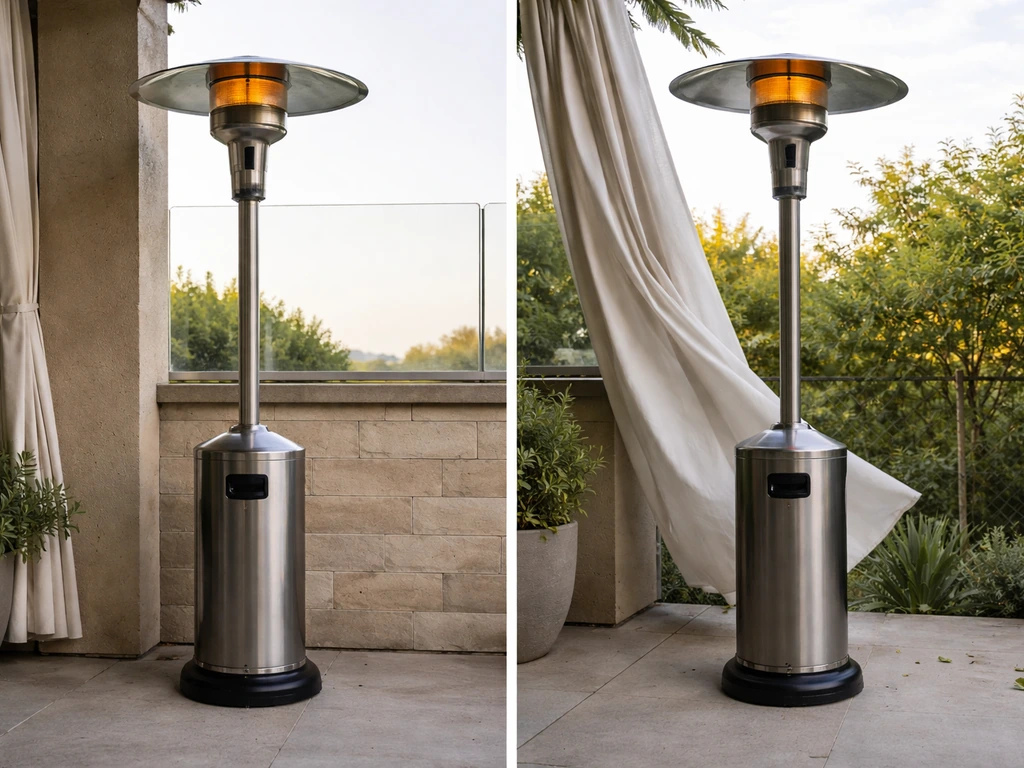
- Wind sensitivity is real. These heaters are not suited to exposed patios without a windbreak. Any gust above 10 mph can shut them down.
- The tilt switch is the most failure-prone component and will likely need replacement within a few seasons of regular use.
- Cold weather performance drops if the tank is low. Below 40 degrees F with a near-empty tank, you will struggle to maintain consistent heat.
- Build quality on connector fittings and the regulator hose is adequate but not exceptional. Inspect these annually.
- Model variety can create parts confusion. Always verify your exact model number before ordering replacement components.
Best-for scenarios
| Scenario | Best Model Choice | Why |
|---|---|---|
| Large covered deck or patio, 150-200 sq. ft. | NCZH-G-SS (48,000 BTU tower) | Maximum coverage, widely available parts |
| Decorative flame aesthetic, smaller patio zone | GSH-A-PC (42,000 BTU pyramid) | Visual appeal, covers up to 115 sq. ft. |
| Small table or lounge seating area | HPS-C-PC (11,000 BTU tabletop) | Compact, easy to move, low fuel use |
| Budget-conscious DIYer comfortable with occasional repairs | Any Hampton Bay propane model | Parts are cheap and repairs are realistic |
| Windy, fully exposed outdoor space | Consider a different brand/style | Hampton Bay units trip off above 10 mph wind |
What to check before you buy or right after unboxing
- Confirm the model number on the unit matches what you ordered. Hampton Bay makes several propane models and the parts are not always interchangeable.
- Verify the regulator is included and is the manufacturer-supplied unit. Do not use a spare regulator from another appliance.
- Check that the thermocouple tip is factory-positioned correctly in the pilot flame path before your first light. It sometimes shifts during shipping.
- Do a first-light test before your first real use: light the pilot, hold for the full 15 to 30 seconds (per your model's manual), and confirm the heater holds a flame after release.
- Download or locate your specific model's manual online now, before you need it. Knowing which thermocouple and tilt switch part numbers fit your model saves time when something eventually needs replacing.
- If you want deeper guidance on assembly or model-specific instructions, the manual for your exact unit (such as the 48,000 BTU stainless model, the 42,000 BTU GSH-A-PC, or the tabletop models) covers the lighting procedure and safety checks step by step.
The bottom line: Hampton Bay patio heaters are a solid buy for sheltered patios where you want real heat output without a premium price tag. They are not set-and-forget appliances, but they are absolutely fix-and-keep appliances. The thermocouple and tilt switch will be your maintenance items over the life of the unit, both cost under $20, and both are DIY-replaceable in under an hour.
If you go in knowing that, and follow the ignition procedure correctly from day one, you will get reliable seasons of use from these heaters. If you have a Havana Bronze commercial patio heater, the safest next step is to locate your exact model’s instruction manual and follow its lighting and maintenance steps exactly Havana Bronze commercial patio heater instructions.
For exact Hampton Bay outdoor or tabletop gas patio heater instructions, including the proper ignition steps, consult the manual that matches your specific model number Hampton Bay outdoor/tabletop gas patio heater instructions.
FAQ
Can I convert a Hampton Bay propane patio heater to natural gas?
Yes, but only if you match the fuel type and regulator correctly. Hampton Bay propane models are designed around a specific regulator setup, and swapping to natural gas typically requires different components and pressure regulation. If you try to operate a propane-labeled heater on the wrong fuel without the correct kit, you can get weak ignition, unstable flame, or repeated shutoffs.
How do I make sure I’m troubleshooting the correct Hampton Bay heater type?
Use the model number label, not just the “BTU” rating. The NCZH-G-SS tower, GSH-A-PC pyramid, and HPS-C-PC tabletop can have different ignition sequences and troubleshooting steps, so your manual’s table for your exact model is the quickest way to avoid chasing the wrong part.
My heater lights briefly and then shuts off, what should I check first?
If the flame looks small or goes out after ignition, don’t immediately replace parts. First confirm the propane tank level and pressure situation (cold tanks and low fill can reduce reliability), then check that the regulator is the one that was supplied and is connected tightly. Only after verifying those basics should you test the thermocouple and tilt/position sensing.
Why does my Hampton Bay patio heater keep shutting off in light wind?
Wind is one of the main reasons these heaters stop mid-session. Even if the unit is sheltered, short gusts can trip the safety shutoff. A practical fix is adding a windbreak on the windward side, improving placement away from doorways or breezeways, and avoiding operation during gusty conditions rather than expecting it to run continuously.
The igniter clicks but it won’t light reliably, what are common causes?
A weak or inconsistent igniter usually points to the piezo or the ignition electrode alignment, not the thermocouple right away. Look for a clear spark at the electrode when pressing the ignition button, keep the electrode and burner area clean and dry, and check that wires are seated. If there is no spark, the fix is often electrical or alignment, not fuel supply.
Is cold weather a factor in poor ignition on Hampton Bay propane heaters?
Condensation and cold-soak can make lighting harder, even if the fuel is fine. Let the heater warm slightly before lighting after it has been in a cold garage, keep the tank at least half full for improved reliability, and avoid trying to run it at the very first moment after moving it from a freezing environment.
What maintenance can I do at the start of the season, and what should I avoid?
Don’t lubricate or spray unknown cleaners onto regulator parts or the burner controls. Stick to season-start maintenance like cleaning the burner screen and reflector area, using a soft brush or gentle cleaning method the manual allows, and keeping the regulator hose routing free of kinks. If you have a regulator issue, replacement is usually safer than trying to “fix” it with sprays or sealants.
Which parts should I expect to replace over time, thermocouple or tilt switch?
If the heater won’t stay on, the two most common DIY items are the thermocouple and the tilt switch or related position sensor. Since both are typically under $20 and often reachable without major disassembly, many owners replace in that order after confirming wind, pressure, and ignition sequence are correct.
Can I size a Hampton Bay patio heater just by BTU and square footage?
Yes, but it should be used as a decision aid, not as a single-number truth. Real heat coverage depends on wind, how sheltered the patio is, and how evenly heat can radiate. If your goal is a larger deck or perimeter heating, it’s usually safer to choose the higher BTU tower option rather than relying on the tabletop unit’s smaller zone.
What’s the fastest, safest way to troubleshoot without making the problem worse?
A good troubleshooting habit is to record what fails and when, for example, “won’t ignite,” “ignites but won’t hold,” or “shuts off after gusts.” Then follow the manual’s sequence in order and only test one change at a time, so you can pinpoint whether you’re dealing with ignition, flame sensing (thermocouple), or safety shutoff behavior (tilt/position).