For most homeowners, a propane mushroom-style patio heater in the 40,000–46,000 BTU range is the easiest starting point: no installation required, works right out of the box, and covers roughly 150–200 square feet of open patio. But the right heater depends heavily on how your space is built, how often you plan to use it, and how much running-cost friction you're willing to deal with. This guide walks you through every decision so you can narrow it down fast and avoid the expensive mistakes people make when they just grab whatever's on the floor at a big-box store.
How to Buy a Patio Heater: Size, Fuel Type, Safety Tips

Grant Mercer
20 Jun 2026
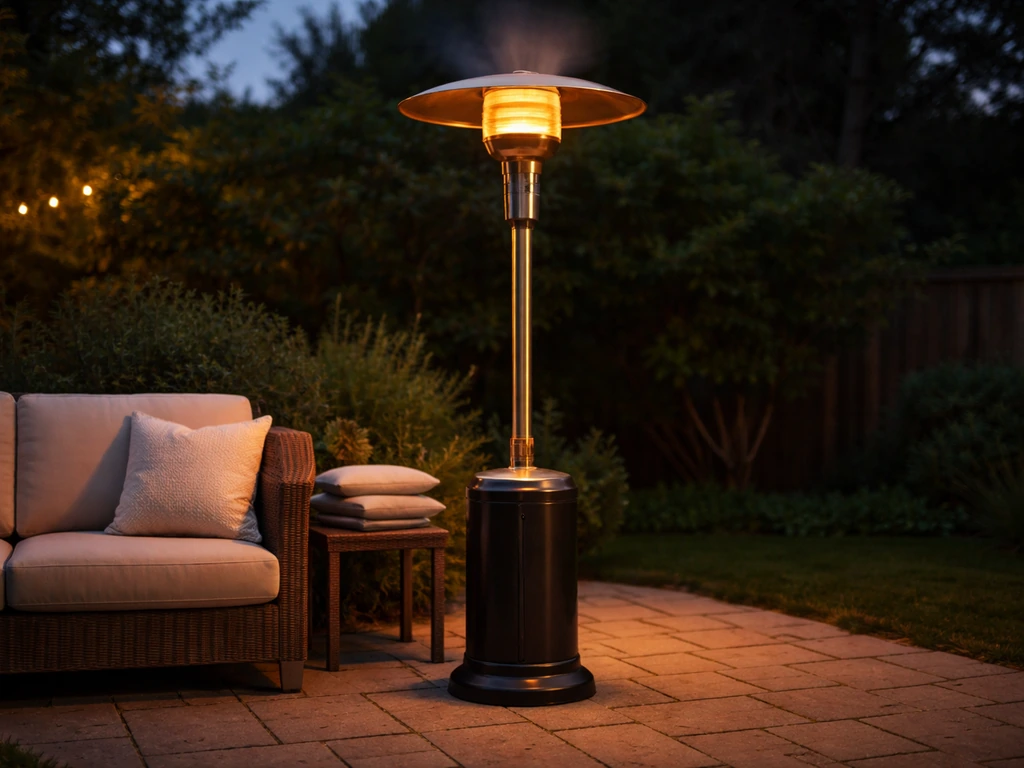
Propane vs Natural Gas vs Electric: Which Type Is Right for You?
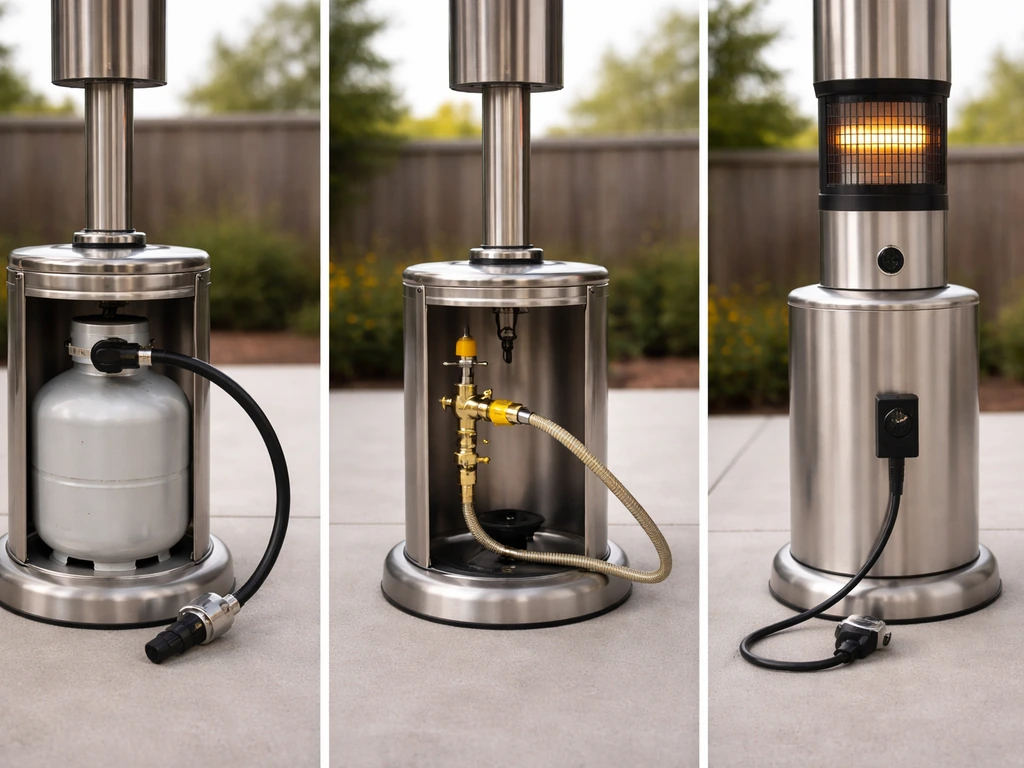
Each fuel type has a genuinely different ownership experience, not just a different price tag. Here's how they actually play out day to day.
Propane Heaters
Propane heaters are the most popular for good reason. They're portable, they put out serious heat (most standard mushroom-top models run between 40,000 and 48,000 BTU), and you don't need any hookup beyond a standard 20 lb propane tank. The trade-off is refueling. A 20 lb tank runs roughly 8 to 10 hours at full output, so if you entertain a lot through fall and winter, you'll be swapping tanks regularly. Always buy a tank with an OPD (Overfill Protection Device) valve, which is now required by most codes and is standard on any tank purchased new in the U.S.
Natural Gas Heaters
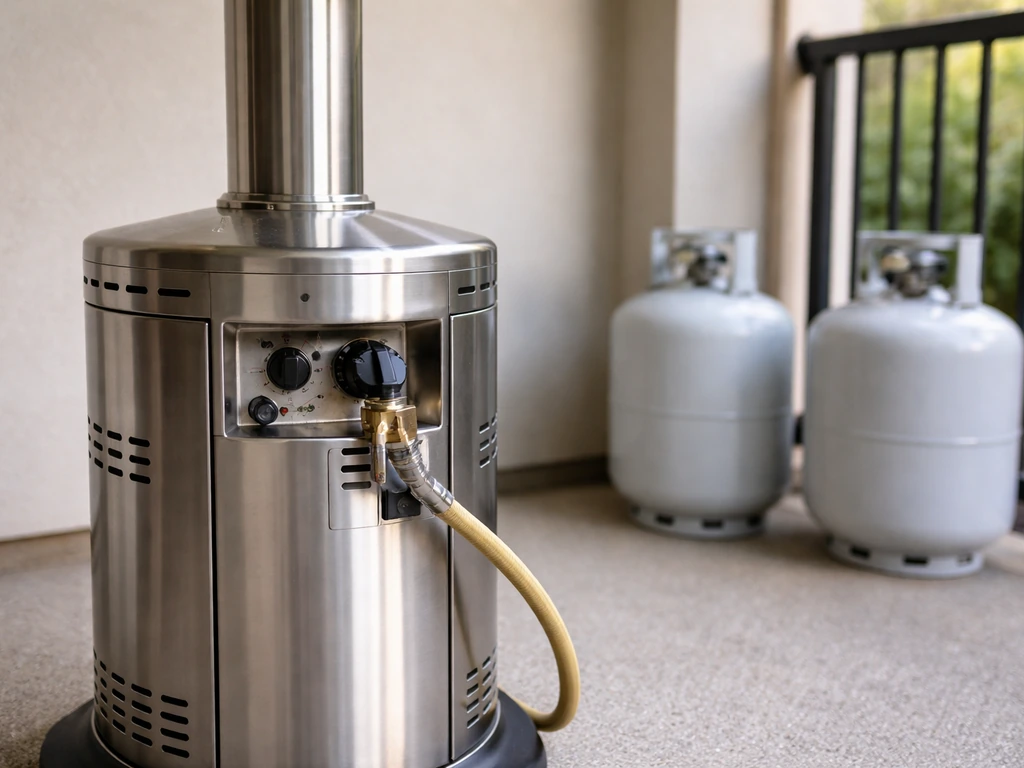
If you already have a natural gas line running to your home and you use your patio heavily, a natural gas heater is worth serious consideration. You never run out of fuel and the operating cost per BTU is generally lower than propane. The catch is that natural gas heaters must be permanently connected to a gas line, which means you're committing to a fixed location and a licensed plumber or gas technician for the hookup.
They're not portable at all. Also critical: natural gas and propane regulators and orifices are NOT interchangeable. Buying a propane heater and trying to run it on natural gas (or vice versa) is dangerous. Always confirm the fuel type before you buy, and never assume a conversion kit will make an unrated heater safe.
Electric Patio Heaters
Electric heaters (infrared or quartz) are the cleanest option for covered patios, pergolas, or enclosed spaces where open-flame combustion is a concern. They heat objects and people directly rather than warming the air, which makes them surprisingly effective in breezy conditions. Wattage typically runs from 1,500W for small wall-mounted units up to 6,000W for commercial-style ceiling heaters. For outdoor exposure, look for a minimum IP65 rating, which means the unit is dust-tight and protected against water jets from any direction. Anything less and you're taking a risk with rain or even a garden hose. The limitation is that high-wattage units (3,000W and above) often require a dedicated 240V circuit, so check your electrical panel before you buy.
| Feature | Propane | Natural Gas | Electric |
|---|---|---|---|
| Portable? | Yes | No | Depends (wall/ceiling mount = no) |
| Typical output | 40,000–48,000 BTU | 40,000–50,000 BTU | 1,500W–6,000W (~5,000–20,000 BTU equiv.) |
| Installation needed? | None | Gas line + pro hookup | Outlet or dedicated circuit |
| Running cost | Moderate (tank refills) | Low (per BTU) | Low to moderate (electricity rate dependent) |
| Best for | Open patios, flexibility | Heavy use, fixed location | Covered patios, enclosed spaces |
| Fuel compatibility risk | Low | High (not interchangeable) | None |
How Many BTUs Do You Actually Need?
The most common mistake people make is buying on price and ending up with a heater that can't keep up with their space. Use this as your starting framework: for an open, uncovered patio, plan on roughly 1 BTU per cubic foot for mild climates, and closer to 2 BTU per cubic foot if you're heating through cold nights or dealing with regular wind exposure. For electric heaters, a general rule of thumb is 10 watts per square foot for moderate conditions.
A standard 10x15 foot patio (150 sq ft) with an 8-foot ceiling gives you about 1,200 cubic feet of space. A 40,000 BTU propane heater handles that comfortably in mild weather, but if you're in the Pacific Northwest dealing with 40°F evenings and a regular breeze, you want to step up to a 46,000–48,000 BTU model or add a second unit. Covered or roofed patios retain heat much better than open ones, meaning you can drop down a size tier and still feel comfortable. If you want help keeping your patio warm in winter, focus on wind protection and heat coverage, not just the heater’s BTU rating keep patio warm in winter.
- Small patio (under 100 sq ft, covered): 30,000–35,000 BTU propane or 1,500–2,000W electric
- Medium patio (100–200 sq ft, semi-open): 40,000–46,000 BTU propane or 2,500–4,000W electric
- Large patio (200–300+ sq ft, open): 46,000–48,000 BTU propane (consider two units) or 4,000–6,000W electric
- Wind-exposed or uncovered spaces: always size up one tier from what the square footage alone suggests
- Spot heating (single seating area): a 1,500W tabletop electric or 30,000 BTU propane tower is often enough
Fuel Cost and Convenience: The Real Tradeoffs
Propane costs roughly $3.50–$5.00 per gallon depending on your area and whether you swap or refill. A 20 lb tank holds about 4.7 gallons, so a full tank runs you approximately $16–$24. At 40,000 BTU on a heater that burns about 1.5 lbs per hour at full blast, you're looking at 8–10 hours of heat per tank. If you use your patio three nights a week through a three-month season, you're going through four to five tanks minimum. That adds up, but for most homeowners it's still less hassle than scheduling a plumber for natural gas.
Natural gas, by comparison, costs roughly $1.00–$1.50 per therm (100,000 BTU), making it significantly cheaper per unit of heat. If you're running a 40,000 BTU heater for four hours, that's less than $0.30 in gas. The upfront cost of running a gas line, however, can easily be $500–$1,500 depending on how far the line needs to go and local labor rates. So the math only works in your favor if you're a heavy, long-term user.
Electric costs depend entirely on your local electricity rate. At $0.15/kWh (national average), a 1,500W heater costs about $0.23 per hour, while a 4,000W ceiling heater runs around $0.60 per hour. Infrared electric heaters heat more efficiently in windy or open spaces compared to gas heaters trying to warm air that keeps blowing away, so don't write them off just because the wattage sounds modest.
Safety Features You Should Not Compromise On
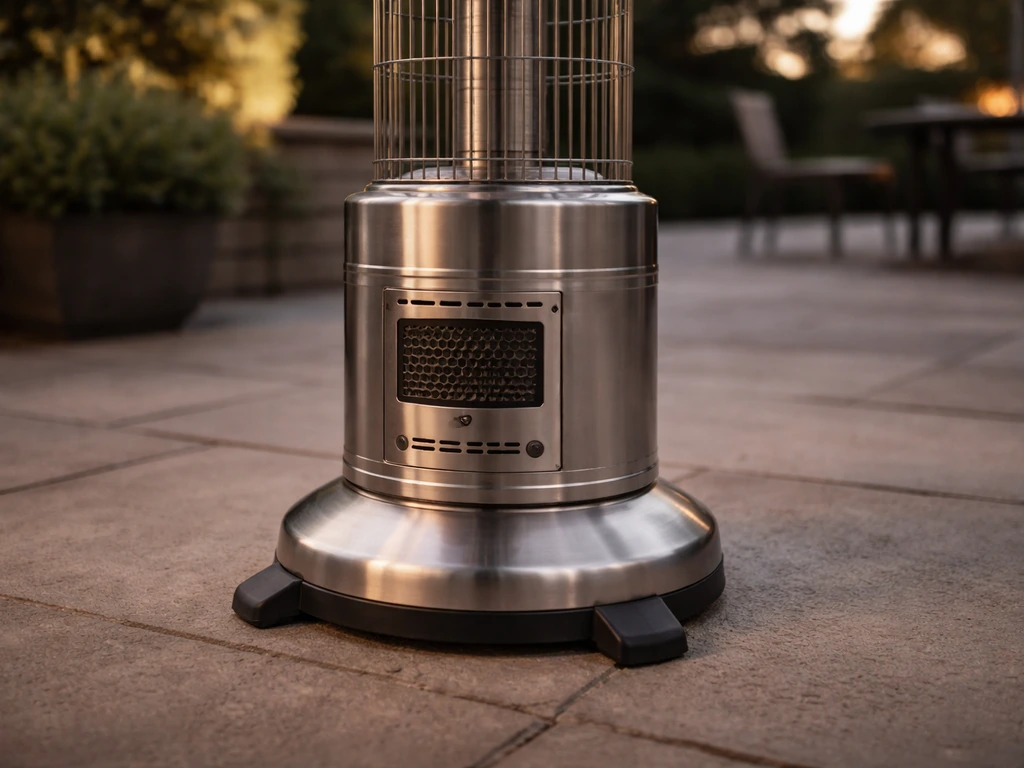
This is where a lot of buyers cut corners to save money, and it genuinely isn't worth it. Here's what to look for non-negotiably.
Tip-Over Shutoff (Gas Heaters)
Any portable gas patio heater you buy should have an automatic tip-over switch that cuts the gas if the unit tilts more than 15 degrees from vertical. This is required by NFPA standards (IFC 2024 Chapter 41) and is built into any heater that meets ANSI Z83.26/CSA 2.37 certification. If you can't find evidence of a tip-over switch in the product specs or manual, don't buy it. Same goes for flame-failure shutoff: if the pilot or main burner goes out, the gas needs to stop automatically. This function is handled by a thermocouple or thermopile sensor, and NFPA 58 requires it on LP-gas appliances. If a heater doesn't mention a thermocouple or automatic gas shutoff, walk away.
Stable Base and Placement Rules
A wide, weighted base matters a lot if you have kids, dogs, or any foot traffic around your patio. Mushroom-style propane heaters should have a base diameter of at least 20 inches, and many quality models let you add ballast weight in the base. Per propane safety guidance, placement should keep the heater at least 5 feet from any exit or high-traffic path, and well away from overhead structures, curtains, or combustibles. Clearance requirements vary by model, so read the manual before you finalize placement.
CSA/UL Certification
Look for CSA (Canadian Standards Association) or UL listing on the product label. These certifications mean the heater has been tested against recognized safety standards. For gas heaters, CSA certification covers the regulator, hoses, and burner assembly. Hoses should be rated for LP use, long enough to avoid kinking or straining, and positioned away from the burner head so they can't be damaged by heat. For electric heaters, UL 1278 or equivalent covers tip-over protection and insulation requirements.
Controls, Weatherproofing, and Convenience Features
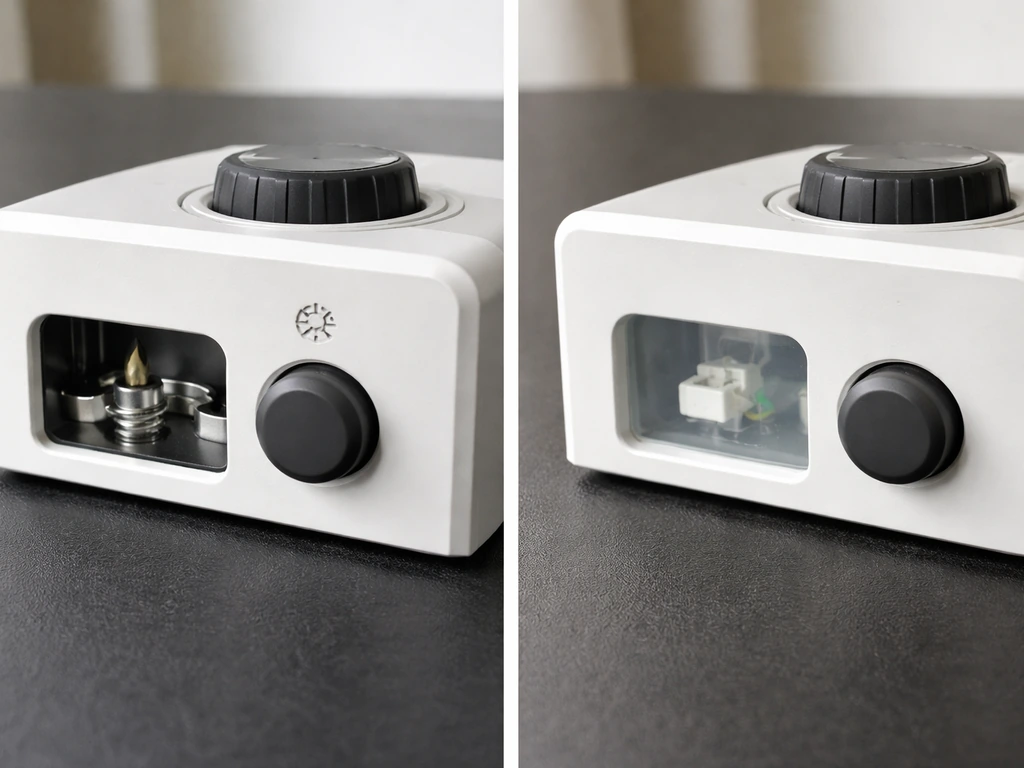
Once you've got the basics covered, the features that actually make a heater pleasant to live with come down to ignition quality, control options, and how well the unit handles weather.
Ignition: Piezo vs Electronic
Piezo ignition (the click-click-click button) is the most common on propane heaters and works fine when new, but it's also the single most common failure point over time. The electrode can get dirty, crack, or fall out of alignment, and you're back to using a long lighter to start the heater. Electronic ignition systems (battery-powered spark igniters) tend to be more reliable over time. If you're comparing two otherwise equal heaters, pick the one with electronic ignition and a replaceable battery or AA-powered module.
Thermostat, Timer, and Remote Control
Electric heaters have the most flexibility here. Many wall-mounted or ceiling-hung electric units come with built-in thermostats, countdown timers, and even Wi-Fi or remote control options. This matters more than it sounds: being able to flip on your heater from inside before you step out, or setting it to shut off automatically after two hours, saves both energy and the habit of forgetting to turn it off. Gas heaters are more limited on controls, but some higher-end propane models offer adjustable heat settings (low/medium/high) and a few have remote-operated valve systems.
IP Ratings for Electric Heaters
If you're buying an electric patio heater for outdoor use, the blank" rel="noopener noreferrer">IP (Ingress Protection) rating tells you how well it's sealed against dust and water. The rating is two digits: the first covers solids/dust (0 to 6), and the second covers water (0 to 9). For a fully exposed outdoor location, IP65 is the minimum you want: that means dust-tight (6) and protected against low-pressure water jets from any direction (5). A heater rated IP44 or lower is really only suitable for covered, sheltered locations. Don't assume an outdoor marketing label means it's rated for rain.
Heat Distribution and Coverage Patterns
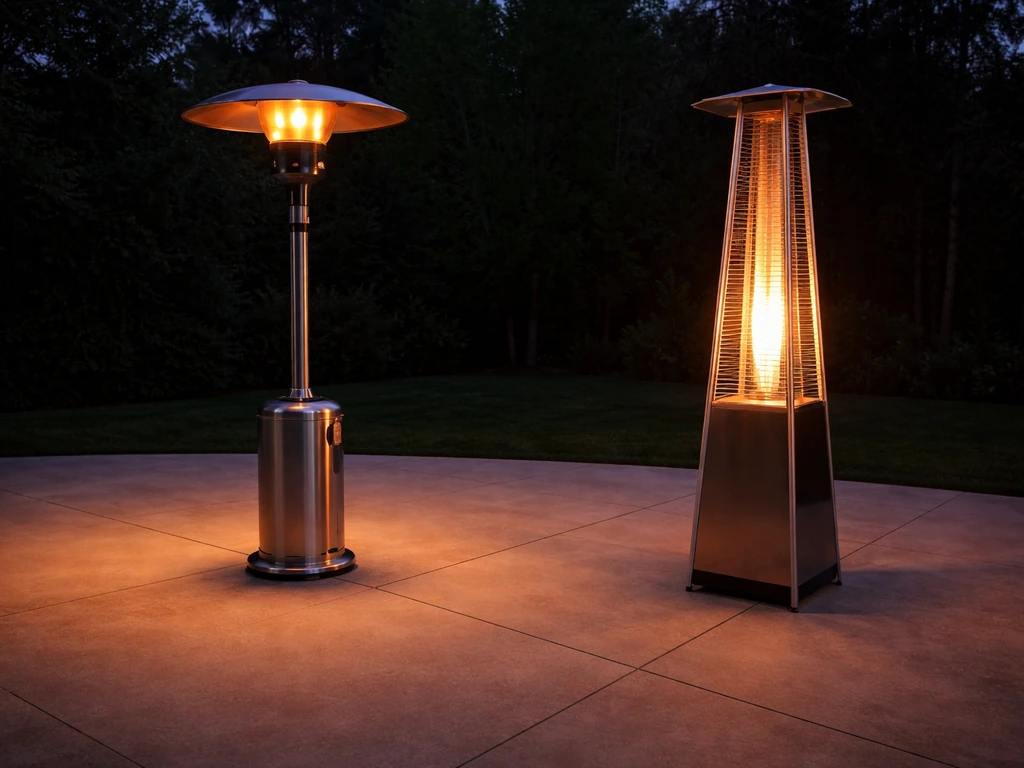
Not all heat output is equal in terms of where it actually lands. Mushroom-top propane heaters radiate 360 degrees outward from the emitter at the top of the pole, which is great for a round table or seating circle but not efficient if you're trying to heat one side of a rectangular deck. Directional infrared electric heaters (the kind you mount on a wall or ceiling) send heat in a focused beam, which is better for specific seating areas and wastes less on unoccupied space.
Pyramid or flame-tower propane heaters provide a visual centerpiece and radiate heat outward from a tall glass tube, but their actual BTU output tends to be lower (around 40,000 BTU) and the heat is closer to the ground level. They're popular for ambiance but less effective at heating a large spread of seating. If you have a narrow, linear patio (like along a fence or under a pergola), wall-mounted electric or a row of tabletop heaters will outperform a single central mushroom unit.
For ceiling-mounted electric heaters, mount height matters a lot for coverage. Most manufacturers spec their coverage area at a specific mounting height, often 8 feet. Mount higher and the heat spreads wider but feels less intense. Mount lower and you get more concentrated warmth in a smaller area. Check the product's coverage chart before assuming a single ceiling heater will blanket a large space.
Installation Requirements: What Can You DIY and What Needs a Pro?
Propane freestanding heaters are fully DIY. You assemble them out of the box (usually in under 30 minutes with basic hand tools), connect the regulator to your propane tank, and you're done. There's no permit required and no permanent work. Setting up a propane heater correctly is something covered in detail in patio heater setup guides, and it's straightforward for any homeowner comfortable reading an instruction manual.
Natural gas heaters require a permanent gas line connection, which in most jurisdictions must be done by a licensed plumber or gas contractor. Some areas also require a permit and inspection. This is not a DIY job even if you're handy, because improper gas connections can cause leaks that aren't immediately obvious. Budget for installation costs separately and get a quote before you buy the heater so you're not surprised. For a quick comparison, see the section on Fuel Cost and Convenience.
Electric heaters fall somewhere in between. A 120V plug-in unit is DIY, full stop: plug it in and mount it if needed. If you are learning how to install patio heater models, the safest approach is to follow the manufacturer instructions for your specific fuel type and voltage. A 240V ceiling heater requires a dedicated circuit, a double-pole breaker, and proper outdoor-rated wiring. If your panel has room and you're comfortable with electrical work, it's a manageable project for an experienced DIYer. If not, hire an electrician. Ceiling-mounting any heater also requires confirming your ceiling structure can support the weight and that you're maintaining the manufacturer's required clearances from combustible surfaces.
| Heater Type | DIY Friendly? | What's Needed | When to Call a Pro |
|---|---|---|---|
| Propane freestanding | Yes, fully | Assembly + propane tank | Never (unless gas line involved) |
| Natural gas | No | Permanent gas line connection | Always — licensed gas contractor |
| Electric 120V plug-in | Yes, fully | Standard outdoor outlet | If outlet doesn't exist |
| Electric 240V hardwired | Partially | Dedicated circuit + outdoor wiring | If no panel capacity or wiring experience |
Your Pre-Purchase Checklist
Before you click buy or head to a store, run through this checklist to make sure you're not missing something that'll cost you later. If you want to go beyond buying one and learn how to build a patio heater, focus first on safe fuel handling and proper clearance requirements.
- Measure your patio: square footage and whether it's covered, semi-covered, or open
- Decide on fuel type based on what's already available (gas line? outdoor outlet? propane access?) and how portable you need the heater to be
- Match BTU or wattage to your space size and conditions, sizing up for wind exposure or cold climates
- Confirm fuel compatibility: natural gas and propane are not interchangeable, and conversion kits are not always safe or available
- Check the IP rating if buying electric: IP65 minimum for fully exposed outdoor locations
- Verify safety certifications: look for CSA or UL listing, a tip-over shutoff, and automatic flame-failure gas shutoff (thermocouple)
- Confirm installation requirements before buying: do you need an electrician, a gas contractor, or just a wrench?
- Check clearance requirements in the manual for overhead and side distances from combustibles
- For natural gas, get an installation quote before buying the heater so total cost is clear
- For electric 240V units, confirm your panel has capacity for a new dedicated circuit
Once you've got a heater picked out and set up, understanding how it actually works mechanically makes you a much better owner. If you want the basics, a patio heater works by using a fuel source to generate heat that is then directed outward to warm people and nearby objects. Knowing the role of the thermocouple, the pilot assembly, and the regulator means you can troubleshoot a heater that won't light or won't stay lit, rather than replacing an appliance that just needs a $12 part. That's the mindset worth bringing into this purchase from day one.
FAQ
Can I use a propane patio heater under a covered patio or gazebo?
You can, but only if the heater is designed for that use and you can maintain the manufacturer’s clearances to the roof, walls, and any nearby combustibles. Open flame heaters still produce hot exhaust and require ventilation, so a heater that’s “covered-friendly” does not mean “closed room safe.” If the roof is very close or there are curtains or hanging fabric, choose electric or a more directional setup instead.
What’s the safest way to store propane tanks when the season ends?
Store the tank upright in a cool, dry place away from ignition sources, living spaces, and any basement or enclosed area where gas could accumulate. Keep the valve protected and do not store with damage or leaks. If you disconnect the regulator, cap the connection if the system uses a removable regulator and replace any worn O-rings.
How do I tell if my propane heater is really rated for my outdoor conditions (wind and rain)?
Wind affects propane heaters a lot, because they mostly warm by radiant heat and can lose comfort if people are shaded from the main radiation path. For rain, look for weather sealing and, for electric, a specific IP rating. For propane, also check if the model is built for outdoor use and whether it has required shielding or approved placement guidance.
Can I convert a propane patio heater to natural gas (or the other way around) myself?
Generally no. Regulators, orifices, and burner settings are not interchangeable, and converting an unrated unit can create unsafe combustion. Even if a kit exists, it should be the manufacturer-approved conversion for that exact model and installed by the right qualified person where required. When in doubt, buy the correct fuel type for the heater you want.
How far should I keep a propane heater from doors, walkways, and furniture if the manual is unclear?
Use the conservative approach: maintain at least the commonly cited 5-foot clearance from exits and high-traffic paths, and also follow the specific “combustible clearance” numbers in your manual for walls, railings, and overhead structures. If you can’t find those numbers for your model, don’t guess, because small clearance differences can change the safe placement dramatically.
What do I check on the propane tank-regulator connection to prevent leaks?
Confirm you have the correct regulator for the fuel type and tank size, inspect the hose and connection for cracks or stiffness, and ensure the connection is properly seated without cross-threading. If your heater uses a quick-connect style, make sure it fully locks. Before first use, test connections using a soapy water solution, and never use flames to check for leaks.
My electric patio heater trips a breaker. What could be wrong?
Common causes are using the wrong outlet or extension cord, plugging a high-watt unit into a circuit that cannot handle the continuous load, or using a cord with an inadequate gauge/length. Also, a 240V heater needs its dedicated circuit and double-pole protection. If the breaker trips repeatedly, stop and have an electrician verify your circuit capacity and wiring.
Do extension cords work for outdoor electric patio heaters?
Not always. For outdoor use, the cord must be rated for outdoor exposure and be properly sized for the heater’s wattage and the run length to avoid overheating. Many manufacturers prohibit extension cords for certain models, especially higher-watt ceiling units. If the manual is strict, mount it as specified rather than relying on a cord.
If I buy a propane heater with piezo ignition, how do I reduce ignition problems later?
Keep the electrode area clean and dry, and avoid contamination from bugs, dust, or spider webs around the burner and ignition components. If it starts failing, the issue is often misalignment or debris, not the whole gas valve. If it won’t light or won’t stay lit, do not keep repeated long ignition attempts, troubleshoot the pilot system first.
How do I decide between one big heater and multiple smaller ones?
If your patio is rectangular or you’re seating on one side only, multiple directional units can feel warmer than one central heater because they reduce wasted heat in unoccupied corners. For open, round seating, a single mushroom heater often works well. Measure layout, then aim heat at where people are, not just at the total square footage.
What coverage numbers should I trust, the manufacturer BTU or the stated square footage?
Use square footage or “coverage area” only as a baseline, because wind, ceiling height, and how exposed the patio is can change comfort more than the headline BTU. For example, in breezy climates you may need a higher output or better wind protection even if you’re technically within the square-foot rating. If two heaters list coverage, compare mounting height and recommended conditions, not just BTU.
When is it worth spending more on controls like timers or Wi-Fi?
If you often forget to shut the unit off, timers can prevent overuse and lower total operating cost, especially with high-watt electric models. Wi-Fi or remote control is also useful if the patio is far from the kitchen or if you entertain and want to preheat before guests arrive. Look for an auto shutoff feature, not just “remote on,” for real energy savings.